Thymus, Genus, spp., Multiple species,
- Genus
- Multiple species
thymes
Europe, Mediterranean, North Africa, temperate Asia
Overview
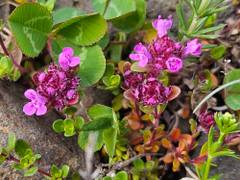
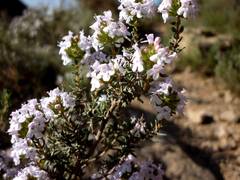
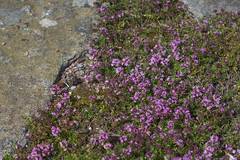
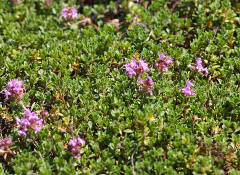
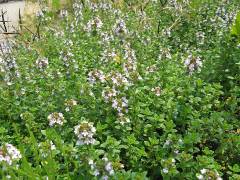
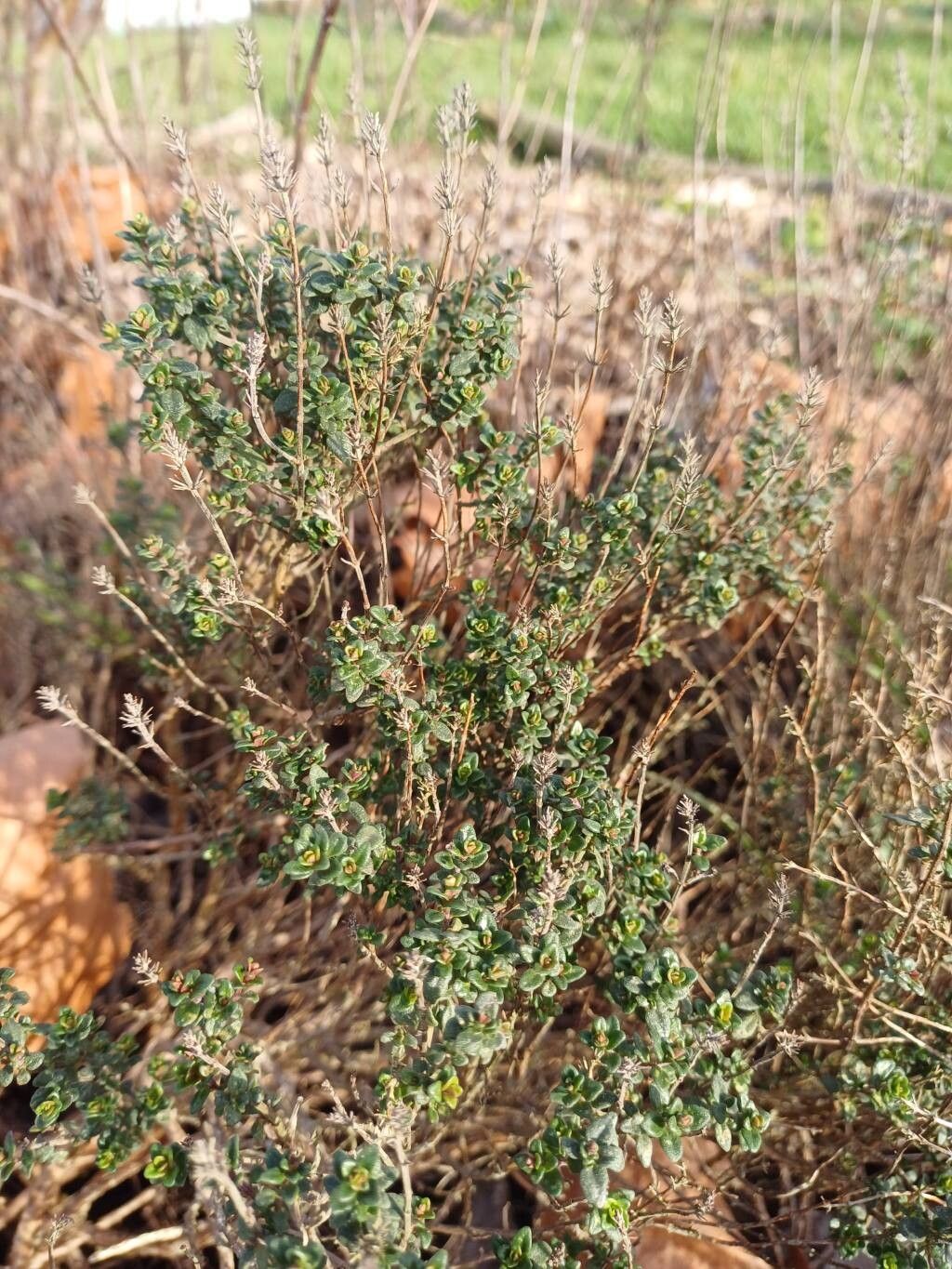
Thymus is a genus of roughly 200 to 350 species of small aromatic subshrubs and woody-based perennials in the mint family, Lamiaceae, native to dry, rocky ground across Europe, the Mediterranean, North Africa, and temperate Asia. Habit ranges from flat creeping mats under 2 in (5 cm) high, as in T. serpyllum, to bushy upright plants 8-15 in (20-38 cm) tall, such as culinary thyme T. vulgaris. The stems are wiry and become woody at the base, carrying small opposite leaves 0.1-0.4 in (3-10 mm) long that are usually grey-green, sometimes variegated or gold, and release a sharp aromatic oil when crushed. Tubular two-lipped flowers in pink, mauve, purple, or white open in dense whorls or rounded heads through summer and draw heavy bee traffic. Most species form low spreading cushions that knit together as ground cover and tolerate poor, gritty, fast-draining soil in full sun. Thymes are short-lived, often becoming bare and woody at the centre after three to four years, and rot quickly in wet or shaded sites. Several species are grown as culinary herbs, while others are planted between paving and over banks.
Native Range
The genus is native to dry grassland, rocky slopes, and scrub across Europe, the Mediterranean basin, North Africa, and temperate Asia as far east as Siberia and China. Culinary thyme T. vulgaris originates in the western Mediterranean.Suggested Uses
Creeping species are planted as ground cover, between paving stones, and over banks and walls where they tolerate light foot traffic. Upright culinary thymes are grown in herb gardens, raised beds, and containers. The summer flowers are widely visited by bees and other pollinators.How to Identify
Appearance
Size & Dimensions
Height1" - 1'3"
Width/Spread8" - 2'
Colors
Bloom Information
Thymes bloom through summer, generally June to August, carrying dense clusters of tiny tubular flowers at the stem tips. Flowering lasts about four to six weeks and is heaviest in full sun. Trimming after the first flush can bring a lighter second bloom in early autumn.
Detailed Descriptions
Flower Description
pink, mauve, purple, whiteFoliage Description
grey-green, some forms variegated or goldGrowing Conditions
Sun Requirements
Requires 6-12 hours of direct sunlight daily
• Full Sun: 6+ hours of direct sunlight
• Partial Shade: 3-6 hours of direct sunlight
• Full Shade: Less than 3 hours of direct sunlight
Care & Maintenance
Care Guide
Thymus grows in full sun and sharp-draining, gritty or sandy soil at neutral to alkaline pH around 6.0-8.0, and tolerates drought and poor fertility once established. Wet, heavy, or shaded ground causes root rot and rapid decline, the main cause of plant loss. Water sparingly, allowing soil to dry between waterings, and avoid heavy feeding, which produces soft growth at the expense of aroma. Plants grow quickly but are short-lived, becoming woody and open at the centre after three to four years. Light shearing after bloom keeps growth dense, and replacement from cuttings or division renews tired plants. Few pests trouble thyme, though spider mites appear in hot, dry, sheltered spots.Pruning
Shear Thymus lightly after flowering to remove spent heads and keep the cushion compact, cutting back into green growth rather than the bare woody base, which is slow to resprout. A second light trim in early spring removes winter-damaged tips. Old, woody plants are usually replaced rather than cut hard.Pruning Schedule
Prune: June–August
summer
Container Growing
Suitable for container growing
Minimum container size: 1 gallons