Thamnochortus, Genus, spp., Multiple species,
- Genus
- Multiple species
thatching reeds
Cape Floristic Region of South Africa
Overview
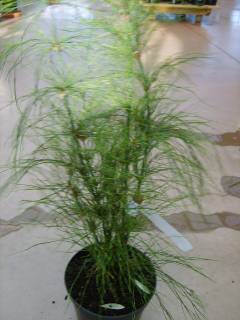
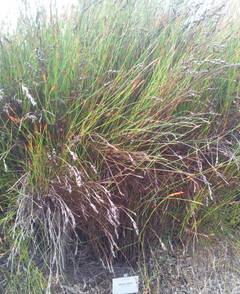
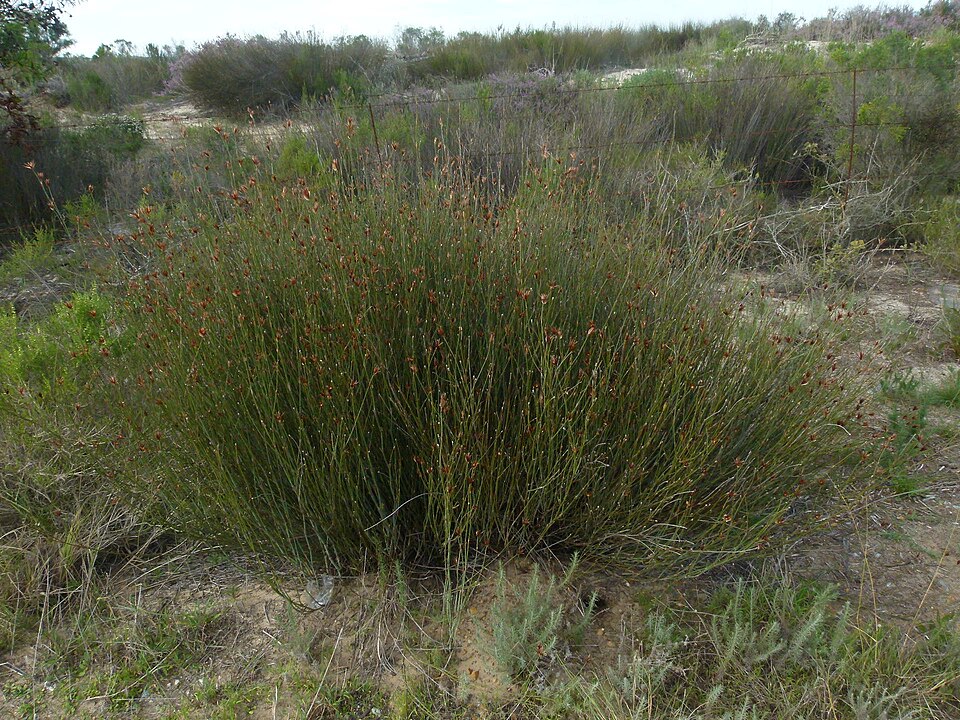
Thamnochortus is a genus of about 33 species of evergreen, reed-like perennials in the family Restionaceae, the restios or Cape reeds, almost all endemic to the Cape Floristic Region of South Africa. Like other restios, the plants have green, photosynthetic stems and lack true leaves, which are reduced to dry, papery sheaths along the wiry culms. Clumps range from about 1.5 to 6.5 ft (0.45 to 2 m) tall depending on species, forming dense, fountain-like tufts. Plants are dioecious, with separate male and female individuals, and are wind-pollinated; the flowering spikelets form plumes in shades of brown to golden that hang or arch from the upper stems. T. insignis, the thatching reed, is harvested commercially for roof thatch in the Western Cape. The genus grows in nutrient-poor, sandy fynbos soils and is adapted to a Mediterranean climate of wet winters and dry summers; most species decline in rich soil, with summer water, or after root disturbance. Plants are frost-tender to lightly frost-hardy and short-lived where conditions do not suit them.
Native Range
Native to South Africa, almost entirely within the Cape Floristic Region of the Western and Eastern Cape, where the species grow in fynbos vegetation on sandy soils. T. insignis occurs in the southern Cape.Suggested Uses
Grown as evergreen accent and structural plants in water-wise, coastal, and Mediterranean-climate gardens, in gravel and fynbos-style plantings, and in large containers, spaced 2-4 ft (0.6-1.2 m) apart. T. insignis is also grown and harvested as a thatching material.How to Identify
Appearance
Size & Dimensions
Height1'6" - 6'6"
Width/Spread2' - 4'
Bloom Information
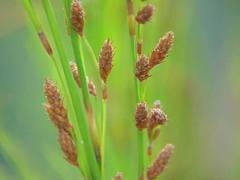
Flowering occurs mainly from spring into summer, with timing varying by species and locality. The small wind-pollinated flowers are grouped into brown to golden spikelets that form arching plumes, holding their colour for several weeks. Female plants ripen small dry fruits after flowering.
Detailed Descriptions
Flower Description
brown to goldenFoliage Description
green culms with brown sheathsGrowing Conditions
Sun Requirements
Requires 6-10 hours of direct sunlight daily
• Full Sun: 6+ hours of direct sunlight
• Partial Shade: 3-6 hours of direct sunlight
• Full Shade: Less than 3 hours of direct sunlight
Care & Maintenance
Care Guide
Across the genus, Thamnochortus grows in full sun in sandy, sharply drained, nutrient-poor, acidic soil with a pH of about 4.5 to 6.5. Plants are adapted to a winter-rainfall climate and tolerate summer drought once established, declining with rich soil, fertilizer, or summer overwatering. Most species are frost-tender to lightly frost-hardy and suit USDA zones 9-11. Young plants establish slowly and are sensitive to root disturbance, so they are planted out while small. Good airflow reduces fungal problems in humid climates. Established clumps are long-lived in suitable fynbos-like conditions.Pruning
Little pruning is needed. Old flowering stems and any dead culms are cut out at the base after they fade, keeping the clump fresh. Plants do not regrow well from cuts into the green culms, so shearing the whole tuft is avoided.Container Growing
Suitable for container growing
Minimum container size: 5 gallons