Elegia, Genus, spp., Multiple species,
- Genus
- Multiple species
Goldreeds
Overview
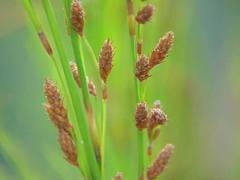
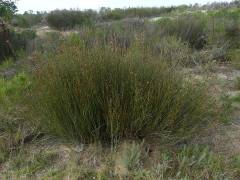
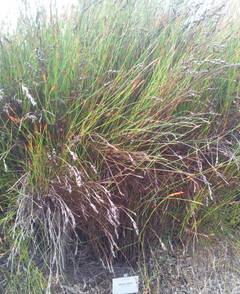
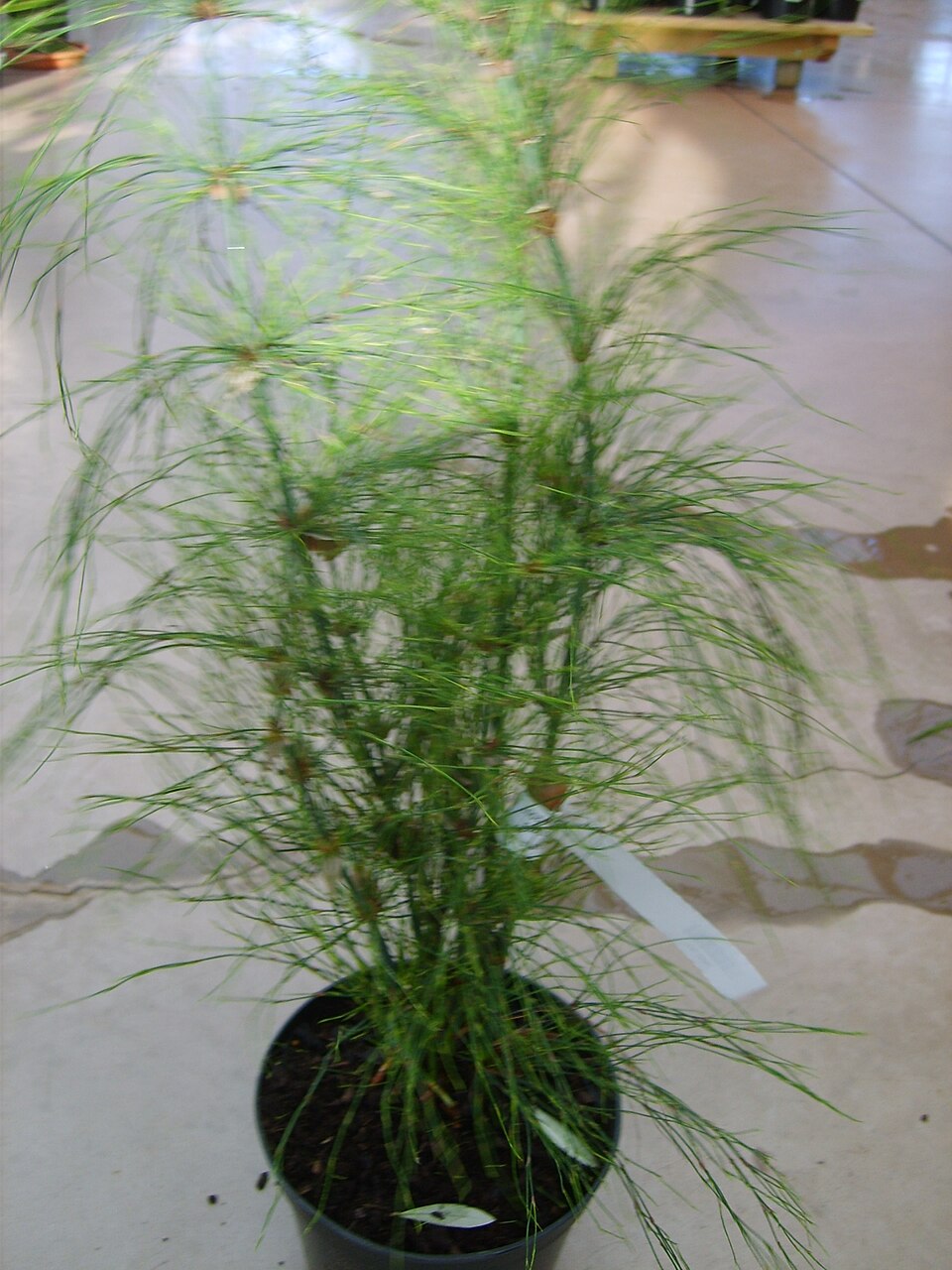
Elegia is a genus of about 50 species of evergreen, rush-like perennials in the family Restionaceae, native to the winter-rainfall fynbos of the Western Cape of South Africa. Plants form dense clumps of erect, green, cylindrical stems 1-10 ft (0.3-3 m) tall, with the leaves reduced to papery brown sheaths at the nodes. Photosynthesis takes place in the stems, which carry whorls of slender, feathery branchlets in some species such as E. capensis. Plants are dioecious, with male and female flowers in brown, chaffy spikelets on separate plants. The clumps spread slowly by short rhizomes and stay evergreen year-round. Most species grow in nutrient-poor, acidic, sandy soils and depend on the seasonal wetting and drying of their fynbos habitat. They resprout from the rootstock after fire. Establishment from seed often requires smoke treatment to break dormancy, and plants establish poorly after root disturbance once settled.
Native Range
Elegia is native to South Africa, almost entirely within the fynbos of the Western Cape, with a few species in the Eastern Cape. Plants grow on sandstone-derived, nutrient-poor sandy soils. The genus belongs to the Cape Floristic Region, a temperate flora noted for its high plant diversity.Suggested Uses
Grown as architectural accents in coastal, Mediterranean, and water-wise gardens, and in large containers. The evergreen reed-like clumps appear in gravel gardens and as cut or dried stems for arrangements. Plants suit lean, sandy sites where many ornamentals fail.How to Identify
Appearance
Size & Dimensions
Height1' - 10'
Width/Spread2' - 5'
Bloom Information
Flowering occurs mainly in spring and early summer, around September to December in the native range and spring in northern hemisphere cultivation. The brown, wind-pollinated spikelets are borne on separate male and female plants. The flowering stems persist on the plant for months.
Detailed Descriptions
Foliage Description
green stems with brown sheathsGrowing Conditions
Sun Requirements
Requires 6-12 hours of direct sunlight daily
• Full Sun: 6+ hours of direct sunlight
• Partial Shade: 3-6 hours of direct sunlight
• Full Shade: Less than 3 hours of direct sunlight
Care & Maintenance
Care Guide
Plants grow in full sun in sharply drained, sandy, acidic soil with a pH near 4.5 to 6.5 and low fertility, mirroring their fynbos origin. They need good air movement and decline in rich soils and high phosphorus, which can be fatal. Young plants are watered through the growing season and kept on the dry side during summer dormancy for winter-rainfall species. Established clumps tolerate wind, coastal salt, and short dry spells. Plants recover slowly from transplanting and are left undisturbed once settled.Pruning
Old flowering stems are cut at the base once they brown to keep clumps fresh. Dead stems are removed in spring before new growth emerges. Plants are not cut hard, as many restios do not regrow from old wood.Container Growing
Suitable for container growing
Minimum container size: 5 gallons