Restio, Genus,
- Genus
Cape reed
Overview
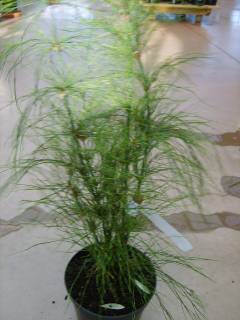
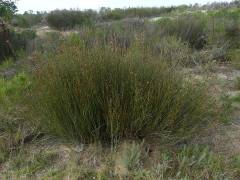
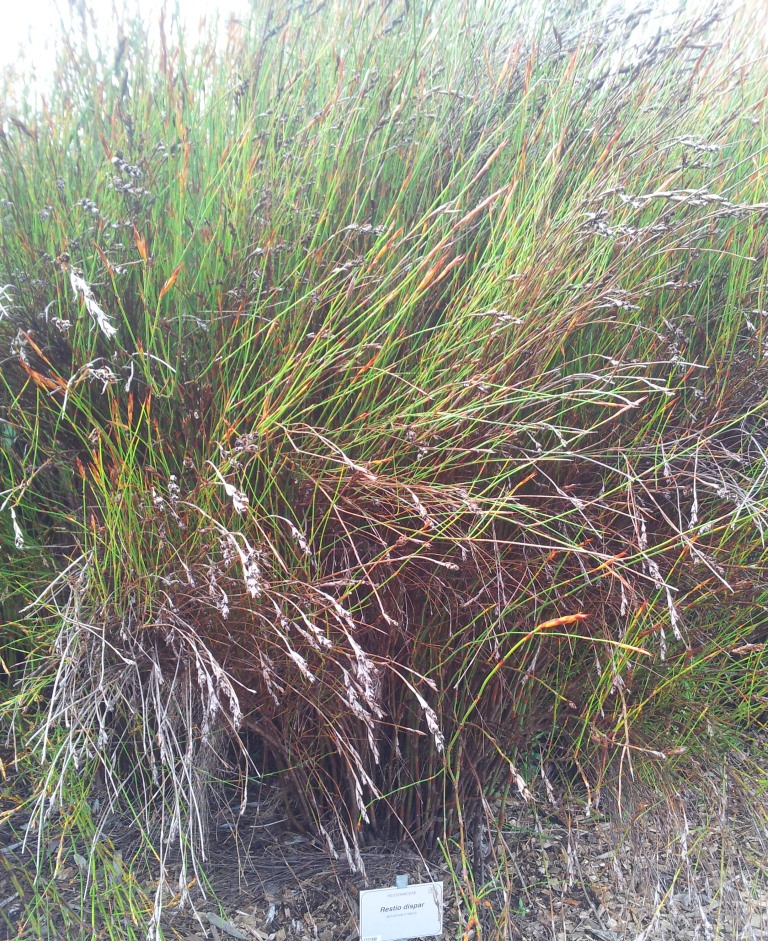
Restio is a genus of evergreen, rush-like perennials in the family Restionaceae, native mainly to the winter-rainfall region of South Africa, with species in Australia and Madagascar. The genus forms dense clumps or tufts 1-6 feet (0.3-1.8 m) tall and 1-4 feet (0.3-1.2 m) wide, spreading slowly from short rhizomes. Photosynthesis takes place in the slender green stems, which are round to flattened and often branched; the leaves are reduced to dry brown sheaths at the joints. Plants are dioecious, with separate male and female specimens, the flowers small and clustered in chaffy brown to straw-colored spikelets at the stem tips. Female plants produce small dry nutlets. The reed-like stems stay green year-round and move with the wind. The genus is adapted to nutrient-poor, sandy, acidic soils and resents rich ground and root disturbance; many species are sensitive to phosphorus and to wet, poorly drained conditions in winter. Cold-hardiness varies, with most species damaged below about 25 F (-4 C).
Native Range
Native chiefly to the Cape Floristic Region of South Africa, with additional species in southern and western Australia and Madagascar. Plants grow in fynbos heathland, seasonal wetlands, sandy flats, and mountain slopes on acidic, nutrient-poor soils.Suggested Uses
Grown in gravel gardens, coastal and Mediterranean-climate plantings, and large containers, spaced 2-3 feet (60-90 cm) apart. The evergreen reed-like form suits modern and architectural planting schemes and poolside settings. In cold climates it is grown in pots that can be sheltered from frost over winter.How to Identify
Appearance
Size & Dimensions
Height1' - 6'
Width/Spread1' - 4'
Bloom Information
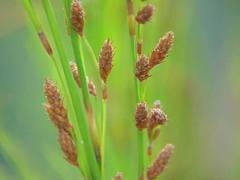
Flowering is generally inconspicuous and varies by species, with chaffy spikelets appearing mostly in spring to early summer in the southern hemisphere, or shifting under cultivation in the northern hemisphere. Male and female plants flower separately. The dry, persistent spikelets remain on the stems for an extended period rather than giving a brief showy display.
Detailed Descriptions
Flower Description
brown to strawFoliage Description
green stemsGrowing Conditions
Sun Requirements
Requires 6-12 hours of direct sunlight daily
• Full Sun: 6+ hours of direct sunlight
• Partial Shade: 3-6 hours of direct sunlight
• Full Shade: Less than 3 hours of direct sunlight
Care & Maintenance
Care Guide
Grows in full sun in sharply drained, sandy, acidic, low-nutrient soil with a pH from 5.0 to 6.5. The genus needs steady moisture during active growth but free drainage at all times, and many species are damaged by waterlogged winter soil. Fertilizer, especially phosphorus, can injure or kill plants, so feeding is kept minimal or omitted. Roots resent disturbance, so containers or undisturbed ground suit them and division is risky. Established clumps tolerate wind, coastal salt, and short dry spells. Cold below about 25 F (-4 C) damages most species, which are grown under glass or moved indoors in frost-prone climates.Pruning
Old, dead, or damaged stems are cut out at the base as they brown, keeping the clump green and tidy. Whole stems are removed rather than trimmed partway, as cut stems do not regrow from the cut point. Spent flowering stems can be left for their texture or removed once they fade.Pruning Schedule
Prune: March
early spring
Container Growing
Suitable for container growing
Minimum container size: 5 gallons