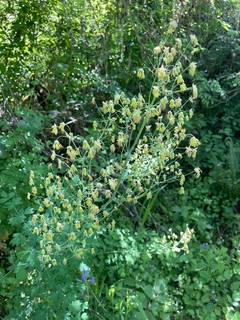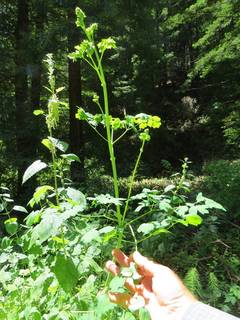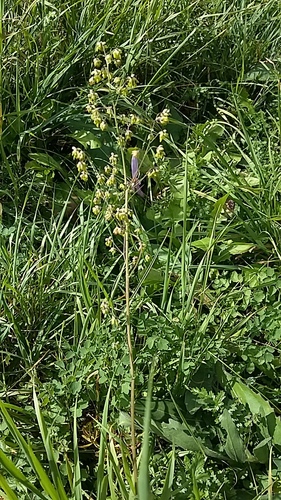
Thalictrum, Genus, spp., Multiple species,
- Genus
- Multiple species
Meadow-rues
Temperate Northern Hemisphere, with species in Africa and South America
Overview
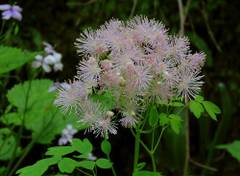
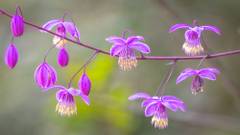
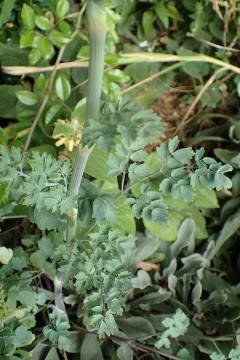
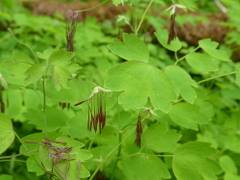
Thalictrum is a genus of about 120 to 200 species of herbaceous perennials in the family Ranunculaceae, found across temperate regions of the Northern Hemisphere and in parts of Africa and South America. Plants form clumps of compound, divided foliage resembling that of columbine, with small rounded or lobed leaflets in blue-green to grey-green tones. Wiry, branching stems rise 0.3-2.5 m (1-8 ft) depending on species. The flowers lack true petals; instead, clusters of slender stamens, sometimes with coloured sepals, create a fluffy or starry effect. Flower colour ranges from white and cream to pink, lilac, and purple, borne in airy panicles above the foliage in late spring through summer. T. rochebrunianum and T. delavayi reach the upper height range with lavender flowers, while T. aquilegiifolium produces fluffy mauve heads earlier in the season. The fruit is a cluster of small dry achenes. Plants grow from fibrous or tuberous roots and die back to the ground each winter. Most species suit moist woodland-edge conditions, and the tall stems may need support in exposed sites.
Native Range
Distributed across temperate parts of the Northern Hemisphere, with species in North America, Europe, and Asia, and a smaller number in tropical Africa and South America. Several species, including T. dioicum and T. dasycarpum, are native to North America. The genus occupies woodland edges, meadows, and stream banks.Suggested Uses
Grown in woodland gardens, mixed borders, and stream-side plantings where the tall, airy stems rise above lower perennials. The divided foliage and see-through flower heads are used to add height without heavy mass in shaded schemes.How to Identify
Appearance
Size & Dimensions
Height1' - 8'
Width/Spread1' - 3'
Bloom Information
Flowering spans late spring through summer, with the exact timing varying by species. Early species such as T. aquilegiifolium bloom in late spring, while T. delavayi flowers into late summer. The fluffy flower heads last several weeks before forming dry seed clusters.
Detailed Descriptions
Flower Description
lilac to whiteFoliage Description
blue-greenGrowing Conditions
Sun Requirements
Requires 3-6 hours of direct sunlight daily
• Full Sun: 6+ hours of direct sunlight
• Partial Shade: 3-6 hours of direct sunlight
• Full Shade: Less than 3 hours of direct sunlight
Care & Maintenance
Care Guide
Meadow-rues grow in full sun to part shade in moist, fertile, well-drained soil rich in organic matter. They withstand winter cold across much of the temperate zone, with many species hardy to -30 C (-22 F). Consistent moisture sustains growth, and plants languish in hot, dry sites. Tall species grown in full sun or exposed positions often need staking to stay upright. Foliage may be marked by powdery mildew or rust in humid, crowded conditions.Pruning
Spent flower stems are cut back after bloom to limit self-seeding and tidy the clump. Foliage is left until it dies down in autumn, then removed. Plants are lifted and divided in early spring every few years to maintain vigour.Pruning Schedule
Prune: September–October
fall