Symphyotrichum, Genus, novae-angliae, Species,
- Genus & species
New England aster
Overview
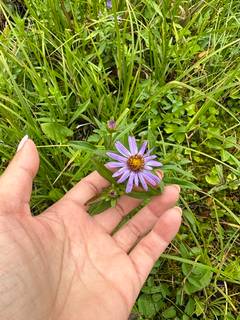
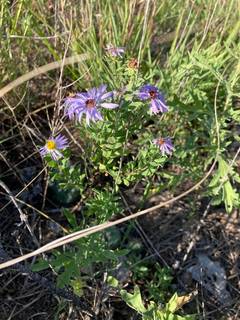
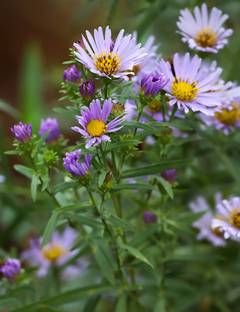
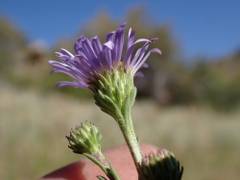
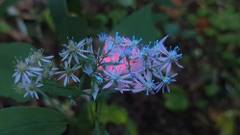
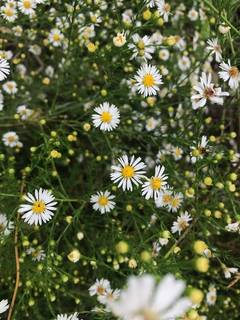
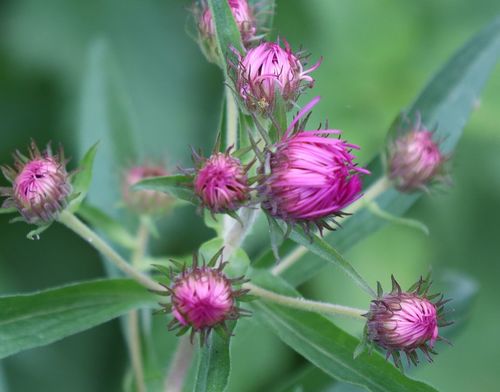
Symphyotrichum novae-angliae is a clump-forming perennial native to central and eastern North America, growing 3-6 feet (0.9-1.8 m) tall on stout, hairy stems. The lance-shaped leaves are 2-4 inches (5-10 cm) long, hairy, and clasp the stem at their bases. From late summer into autumn the stems are topped by branching clusters of daisy-like flower heads 1-1.5 inches (2.5-4 cm) across, each with 40 to 100 narrow ray florets in shades of purple, violet, or rose-pink around a yellow center that ages to reddish. The flowers open over many weeks and draw large numbers of bees and migrating butterflies, including monarchs fueling their autumn migration. S. novae-angliae grows in moist meadows, prairies, ditches, and stream banks on fertile soils, and tolerates heavy clay better than many perennials. The lower leaves often yellow and drop by bloom time, especially in dry summers. Tall stems may flop without support or a midsummer cutback. The plant spreads by short rhizomes into wider clumps and self-sows where the ground is open.
Native Range
Symphyotrichum novae-angliae is native to central and eastern North America, from Quebec and Alberta south to Georgia and New Mexico. It grows in moist prairies, meadows, marsh edges, and roadsides on fertile, damp soils.Suggested Uses
Symphyotrichum novae-angliae is grown in perennial borders, meadow and prairie plantings, rain gardens, and pollinator gardens. Its late bloom suits plantings meant to feed bees and butterflies into autumn. It combines with grasses and goldenrods in naturalized settings.How to Identify
Appearance
Size & Dimensions
Height3' - 6'
Width/Spread2' - 3'
Bloom Information
Detailed Descriptions
Flower Description
purple to rose-pinkFoliage Description
greenGrowing Conditions
Sun Requirements
Requires 6-10 hours of direct sunlight daily
• Full Sun: 6+ hours of direct sunlight
• Partial Shade: 3-6 hours of direct sunlight
• Full Shade: Less than 3 hours of direct sunlight