Image 1 of 10
1 / 10
© Denis Aristides Caldas Conrado, some rights reserved (CC-BY-SA) · Wikimedia Commons
Symphyotrichum, Genus, laeve, Species,
- Genus & species
smooth blue aster
Overview
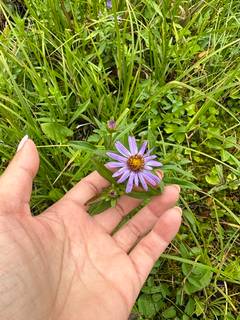
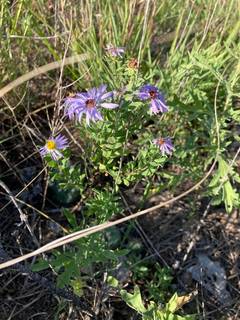
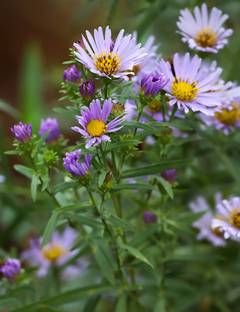
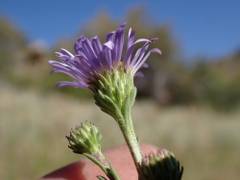
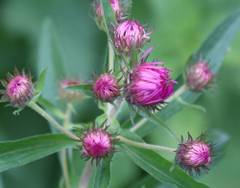
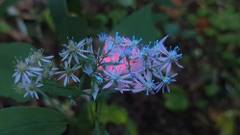
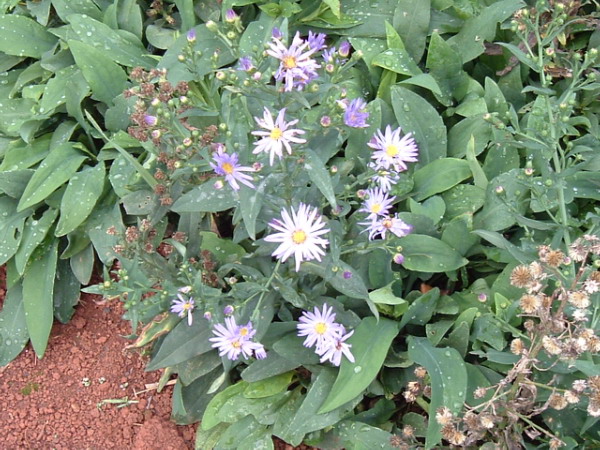
Symphyotrichum laeve is an upright, clump-forming perennial in the daisy family, native to much of North America, growing 2-4 feet (0.6-1.2 m) tall on smooth, often blue-tinged stems. It is set apart from many asters by its hairless, somewhat waxy blue-green leaves, which are lance-shaped, 2-5 inches (5-13 cm) long, and clasp the stem with rounded basal lobes. From late summer into fall the upper stems branch into open sprays of flower heads about 1 inch (2.5 cm) across, each with 15-30 pale blue to violet ray florets around a yellow center that ages to reddish-purple. The heads draw many late-season bees and butterflies, including migrating monarchs, and are followed by small seeds with pale bristles. It grows in dry to medium prairies, open woods, glades, and roadsides on well-drained soil. Tall stems can flop in rich soil or shade, and the plant spreads slowly by short rhizomes and self-seeding.
Native Range
Native across much of North America, from southern Canada through most of the United States, from the Atlantic coast to the Rocky Mountains and south to the Gulf. It grows in dry to mesic prairies, open woods, savannas, glades, and along roadsides on well-drained ground.Suggested Uses
Used in native, prairie, and pollinator plantings, mixed and perennial borders, and naturalized meadows for late-season bloom. Its blue flowers and smooth foliage suit both wild and designed gardens on well-drained soil.How to Identify
Appearance
Size & Dimensions
Height2' - 4'
Width/Spread1'6" - 2'
Colors
Foliage Colors
Bloom Information
Flowering runs from late summer into mid-autumn, roughly August to October. The blue-violet heads open over four to six weeks and provide nectar and pollen late in the season for bees, butterflies, and migrating monarchs. Tufted seeds follow and disperse on the wind.
Detailed Descriptions
Flower Description
blue to violet with yellow centerFoliage Description
blue-greenGrowing Conditions
Sun Requirements
Requires 4-12 hours of direct sunlight daily
• Full Sun: 6+ hours of direct sunlight
• Partial Shade: 3-6 hours of direct sunlight
• Full Shade: Less than 3 hours of direct sunlight
Care & Maintenance
Care Guide
Grows in full sun to part shade on dry to medium, well-drained soils and tolerates drought, heat, and poor, rocky ground once established. It is hardy in USDA zones 3-8 and needs little water after the first season. Rich soil and shade produce tall, floppy stems, while lean, sunny sites keep growth compact and upright. Pinching the stems in early summer lowers the mature height and reduces flopping. It spreads gradually by short rhizomes and self-seeding without becoming aggressive. Powdery mildew is less of a problem than on many asters, though crowding and damp air can still bring it on.Pruning
Pinching or cutting the stems back by a third in late spring to early summer produces shorter, bushier plants with more flowers. Removing spent flower heads limits self-seeding. Old stems can be cut to the ground in late winter, or left standing to shelter overwintering insects.Container Growing
Suitable for container growing
Minimum container size: 3 gallons