Symphyotrichum, Genus, ericoides, Species,
- Genus & species
white heath aster
Overview
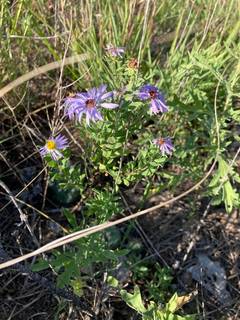
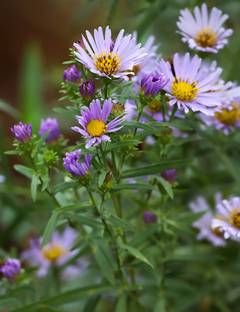
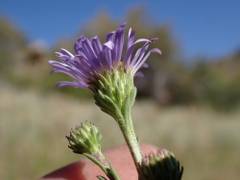
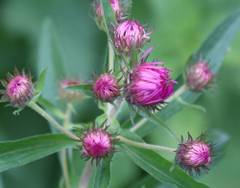
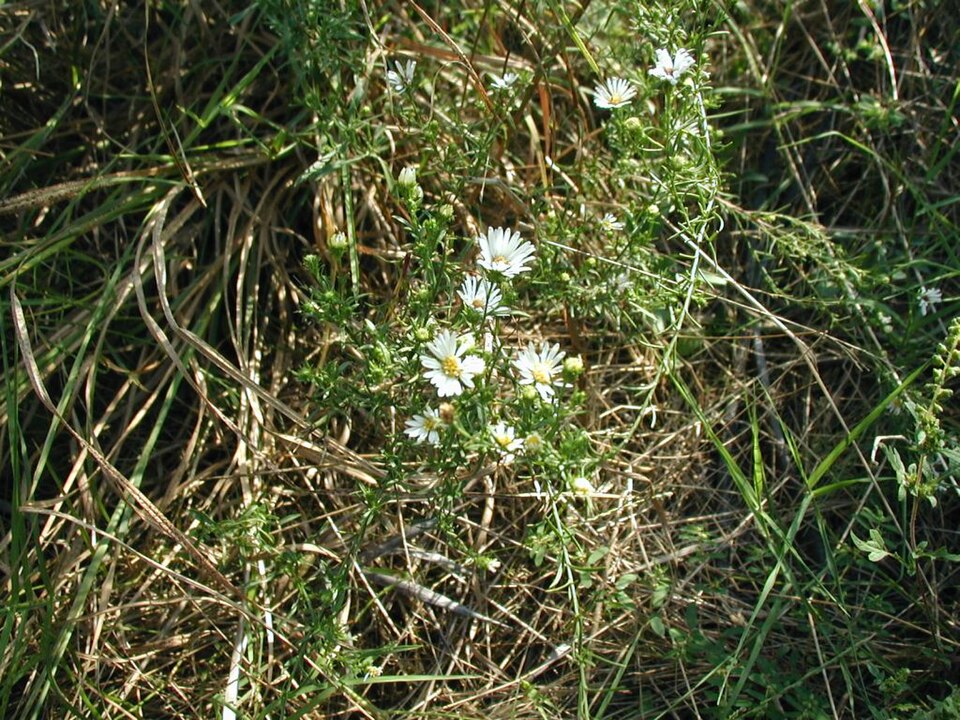
Symphyotrichum ericoides is a rhizomatous perennial native to North America, forming clumps 1-3 feet (30-90 cm) tall and 1-2 feet (30-60 cm) wide. Stems are wiry and much-branched, lined with narrow needle-like leaves under 1 inch (2.5 cm) long that give the plant its heath-like look. From August to October it carries hundreds of small flower heads, each 0.25-0.5 inch (6-13 mm) across with white ray florets surrounding a yellow center that ages to dull rose. The plant spreads by creeping rhizomes and can form broad patches, which may crowd smaller perennials in mixed beds. It grows in dry to medium soils in open sun and tolerates poor, sandy, and rocky ground. Foliage is aromatic when bruised. Late-season flowers supply nectar to bees and migrating butterflies after most prairie species have finished. The arching stems may flop in rich soil or shade, opening the center of the clump.
Native Range
Native to central and eastern North America, from the Canadian prairie provinces south through the Great Plains to Texas and east to the Atlantic coast.Suggested Uses
Used in prairie and meadow plantings, naturalized borders, and pollinator gardens on dry soil. The late bloom extends nectar availability into autumn. The spreading habit suits informal massed plantings and meadows.How to Identify
Appearance
Size & Dimensions
Height1' - 3'
Width/Spread1' - 2'
Bloom Information
Flowers open from August to October, peaking in September. Each stem branch ends in a spray of white-rayed heads with yellow disk centers. Bloom continues for 6-8 weeks until frost.
Detailed Descriptions
Flower Description
white with yellow center aging to roseFoliage Description
greenGrowing Conditions
Sun Requirements
Requires 6-12 hours of direct sunlight daily
• Full Sun: 6+ hours of direct sunlight
• Partial Shade: 3-6 hours of direct sunlight
• Full Shade: Less than 3 hours of direct sunlight
Care & Maintenance
Care Guide
Grows in full sun in dry to medium, well-drained soils, including sandy and rocky ground of low fertility. Rich or moist soil produces tall, weak stems that tend to flop. Established plants tolerate drought and need no supplemental water in most seasons. Rhizomes spread outward each year and benefit from division every 2-3 years to limit their reach. Hardy in USDA zones 3-8. Powdery mildew can affect foliage in crowded, humid conditions.Pruning
Cutting stems back by one-third to one-half in early summer reduces height and flopping and delays bloom slightly. Spent stems are removed at ground level after flowering or left through winter for wildlife. Division every few years renews crowded clumps.Pruning Schedule
Prune: June
summer