Sphagnum, Genus, capillifolium, Species,
- Genus & species
northern peatmoss
Northern Hemisphere (northern and montane Europe, northern Asia, North America)
SunFull Sun – Part Shade
WaterHigh
Overview
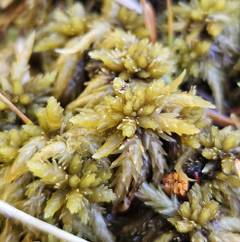
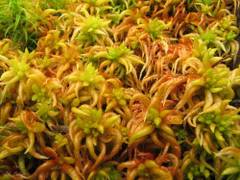
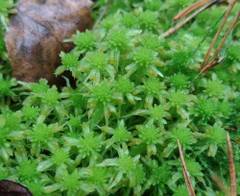
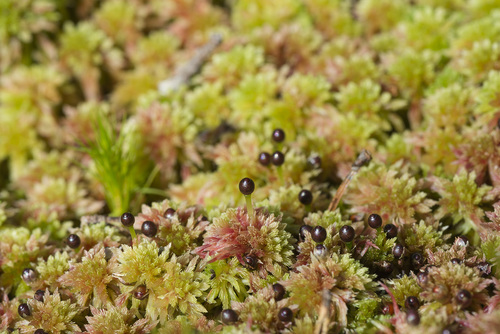
Sphagnum capillifolium is a peat-forming bog moss that builds dense, springy hummocks and carpets, with individual shoots showing 1-4 inches (2.5-10 cm) of green-to-crimson growth above the decaying peat below. Each shoot ends in a compact, rounded head, or capitulum, often flushed deep red to pink-crimson in sun-exposed plants, while shaded growth stays greener. Slender branches in bundles clothe the stem, the leaves built largely of large, empty, water-storing cells that let the plant hold many times its weight in water. It forms raised hummocks on blanket bog, raised bog, wet heath, and the drier microtopography of mires, growing on acidic, nutrient-poor, waterlogged peat. As a non-vascular plant it has no roots and takes up water and nutrients over its whole surface, acidifying its surroundings as it grows. Lower parts die and compress into peat while the tips keep growing upward. It depends on consistently wet, acidic conditions and cannot tolerate drying, lime, or added nutrients. The moss reproduces by spores from small spherical capsules and by fragmentation, spreading slowly to form extensive bog vegetation.
Native Range
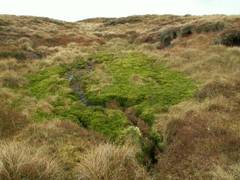
Sphagnum capillifolium is widespread across the cooler parts of the Northern Hemisphere, native through northern and montane Europe, northern Asia, and North America. It grows on acidic, waterlogged peat in blanket bogs, raised bogs, wet heaths, and mires.Suggested Uses
Grown in bog gardens, peat beds, and the margins of acidic wildlife ponds, where it forms red-tinged, water-holding hummocks. Suits carnivorous-plant bog plantings and the cultivation of other acid-loving bog species. It is also a peat-forming component of restored mire and bog habitats.How to Identify
Appearance
Bloom Information
As a moss, Sphagnum capillifolium does not flower and reproduces by spores. Small spherical spore capsules form on short stalks, mainly in summer, and burst to release spores. The plant also spreads by fragments of living shoots.
Detailed Descriptions
Foliage Description
Green to crimsonGrowing Conditions
Sun Requirements
Requires 3-10 hours of direct sunlight daily
• Full Sun: 6+ hours of direct sunlight
• Partial Shade: 3-6 hours of direct sunlight
• Full Shade: Less than 3 hours of direct sunlight
Care & Maintenance
Care Guide
Grow in permanently wet, acidic, nutrient-poor conditions in bog gardens, peat beds, and the wet edges of acidic ponds, in full sun to part shade. The moss requires soft, lime-free water such as rainwater and is damaged by tap water, lime, and fertiliser. Keep it consistently saturated, as drying browns and kills the shoots. It needs no soil or feeding and grows directly on waterlogged peat or among other bog plants. Establish it by pressing living fragments onto wet, acidic peat and keeping them flooded. It endures hard frost and resumes growth from the shoot tips each season.Pruning
No pruning applies to this moss, which grows from its shoot tips and decays below. Remove invading vascular weeds and tree seedlings that would shade and dry the colony. Leave the hummocks undisturbed, as trampling and compression damage the living surface.Container Growing
Suitable for container growing