Overview
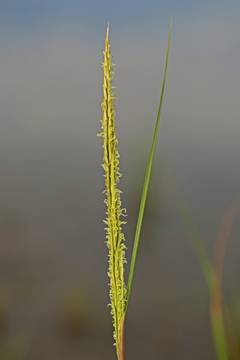
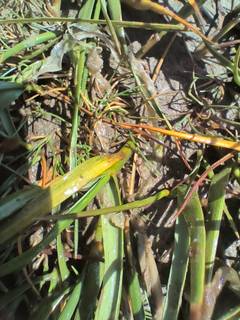
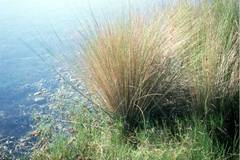
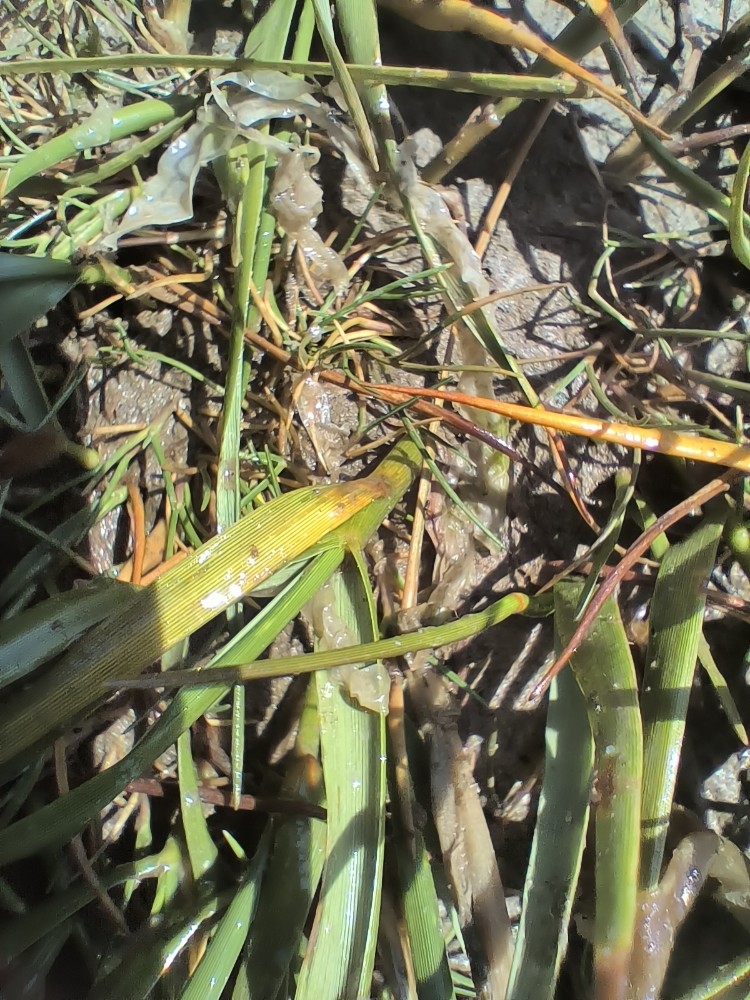
Spartina is a genus of coarse, rhizomatous perennial grasses in the family Poaceae, native to the coasts of the Americas, western Europe, and Africa; the cordgrasses. Plants form dense colonies of upright stems 1-7 feet (0.3-2.1 m) tall, spreading by thick underground rhizomes to bind tidal mud and sand into broad stands. The tough, arching blades are 0.2-0.8 inch (5-20 mm) wide, gray-green to green, often with inrolled, sharp-edged margins. From summer into autumn the stems carry narrow, one-sided flower spikes clustered along an upright stalk, pale green ageing to straw. The genus is highly salt-tolerant and grows in salt marshes, estuaries, and brackish flats subject to tidal flooding. Its vigorous rhizomes trap sediment and stabilize shorelines, but the same spread makes several species aggressive invaders of marshes outside their native range. Foliage turns tan and dies back over winter in cooler regions.
Native Range
Spartina is native to the coasts of North and South America, western Europe, and parts of Africa. The grasses grow in salt marshes, estuaries, tidal flats, and brackish wetlands along sheltered shorelines.Suggested Uses
Used for shoreline and salt-marsh restoration, erosion control on tidal banks, and in coastal and rain-garden plantings where salt and wet soils occur. Spaced 18-36 inches (45-90 cm) apart, plants form binding cover. Use is limited to within the native range, since several species are invasive elsewhere.How to Identify
Appearance
Size & Dimensions
Height1' - 7'
Width/Spread3' - 6'
Bloom Information
Detailed Descriptions
Flower Description
Pale green to strawFoliage Description
Gray-green to greenGrowing Conditions
Sun Requirements
Requires 6-10 hours of direct sunlight daily
• Full Sun: 6+ hours of direct sunlight
• Partial Shade: 3-6 hours of direct sunlight
• Full Shade: Less than 3 hours of direct sunlight
Care & Maintenance
Care Guide
Plants grow in full sun in wet, saline to brackish soils and tolerate regular tidal flooding that few other grasses withstand. They accept a wide pH range from about 6.0 to 8.5 in mud, sand, or silt and need constant moisture. The rhizomes spread strongly and can overrun confined sites or natural marshes, so plantings are kept to areas where wide spread is acceptable. Several species are listed as invasive outside their native range and are restricted under regional regulations. Established stands need little care beyond containment. Cold-hardiness varies by species, broadly USDA zones 4 to 9.Pruning
Stems and old foliage are cut back to near ground level in late winter before new growth, where access allows. The dried stalks can be left over winter to shelter wildlife. Spread is controlled by edging, barriers, or removal of outward rhizomes rather than by pruning.Pruning Schedule
Prune: February–March
late winter