Image 1 of 2
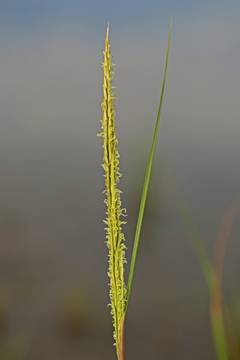
Robert H. Mohlenbrock. USDA SCS. 1991. Southern wetland flora: Field office guide to plant species. South National Technical Center, Fort Worth. Courtesy of USDA NRCS Wetland Science Institute., no rights reserved (CC0) · Wikimedia Commons
1 / 2
Spartina, Genus, bakeri, Species,
- Genus & species
sand cordgrass
Southeastern United States — from North Carolina south to Florida, in dry sandy pinelands and scrub
Overview
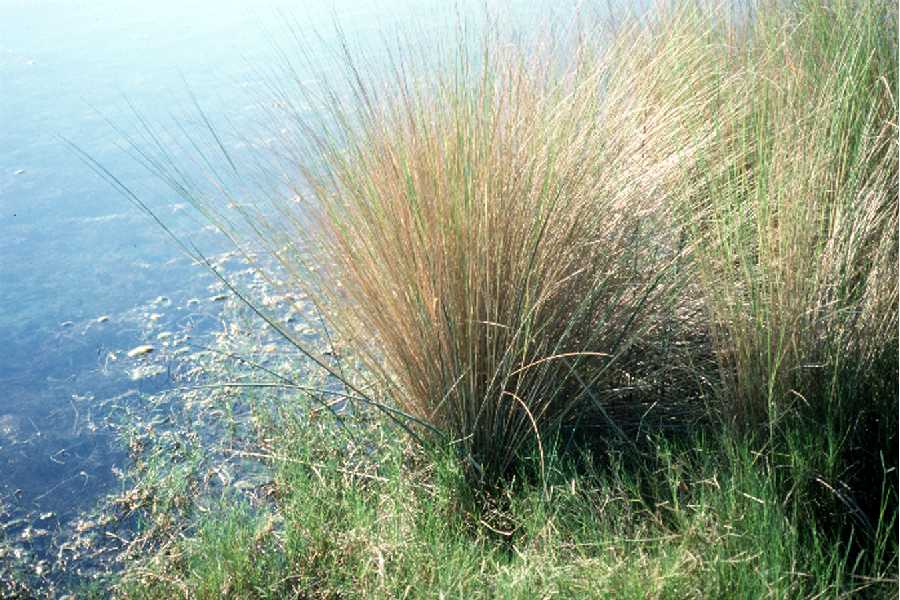
Spartina bakeri is sand cordgrass — a clumping southeastern native grass for dry sandy conditions, growing 36–60 inches (90–150 cm) tall and 36–48 inches (90–120 cm) wide. Named after John Baker, the Florida botanist. The species is clumping and from dry sandy pinelands — completely different in habit from the aggressively spreading salt-marsh species Spartina alterniflora and S. patens, which colonize tidal flats by underground rhizomes. This makes S. bakeri the garden-friendly Spartina, with no rhizomatous invasion. Olive-green to gray-green narrow-textured arching foliage creates a graceful fountain form. Semi-evergreen in mild climates. Extremely drought and salt tolerant — native to dry sandy coastal and inland habitats. Hardy to zone 7. The clumping habit, drought tolerance, and salt tolerance suit this species to southeastern dry sandy landscapes where the spreading Spartina species would be unmanageable.
Native Range
Spartina bakeri is native to the southeastern United States — from North Carolina south to Florida.Suggested Uses
Used in southeastern sandy landscapes, coastal gardens, and as the garden-safe Spartina. Clumping habit suits garden use. Drought and salt tolerant. The native alternative to non-native fountain grasses in the Southeast.How to Identify
Appearance
Size & Dimensions
Height3' - 5'
Width/Spread3' - 4'
Colors
Bloom Information
Narrow spikes in October and November. The arching fountain foliage is the year-round display.
Detailed Descriptions
Flower Description
Tan, in narrow spikesFoliage Description
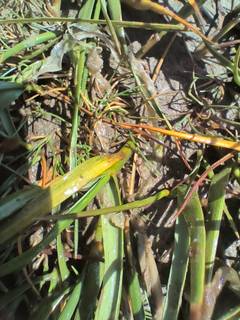
Olive-green to gray-green, narrow, narrow-textured, archingGrowing Conditions
Sun Requirements
Requires 6-12 hours of direct sunlight daily
• Full Sun: 6+ hours of direct sunlight
• Partial Shade: 3-6 hours of direct sunlight
• Full Shade: Less than 3 hours of direct sunlight
Care & Maintenance
Care Guide
Plant in full sun. Sandy, well-drained soil. Drought and salt tolerant. The clumping habit avoids the rhizomatous invasion of salt-marsh Spartina species. Cut to 6 inches in late winter. Hardy to zone 7.Pruning
Stems can be left standing through winter. Cut to 6 inches in late February–March.Pruning Schedule
Prune: February–March
early spring