Polygonatum, Genus, odoratum, Species,
- Genus & species
Solomon's seal
Overview
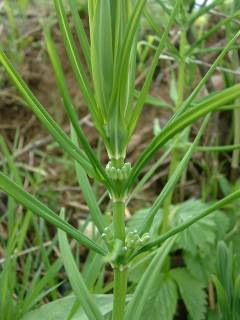
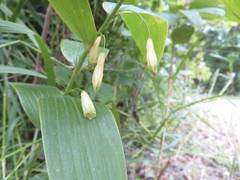
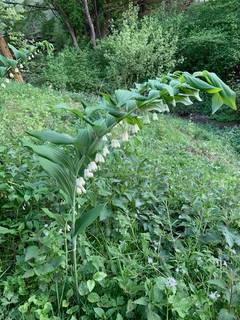
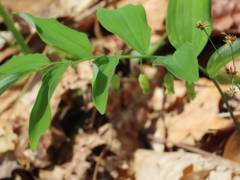
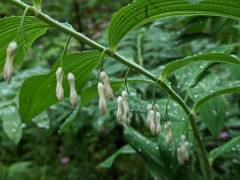
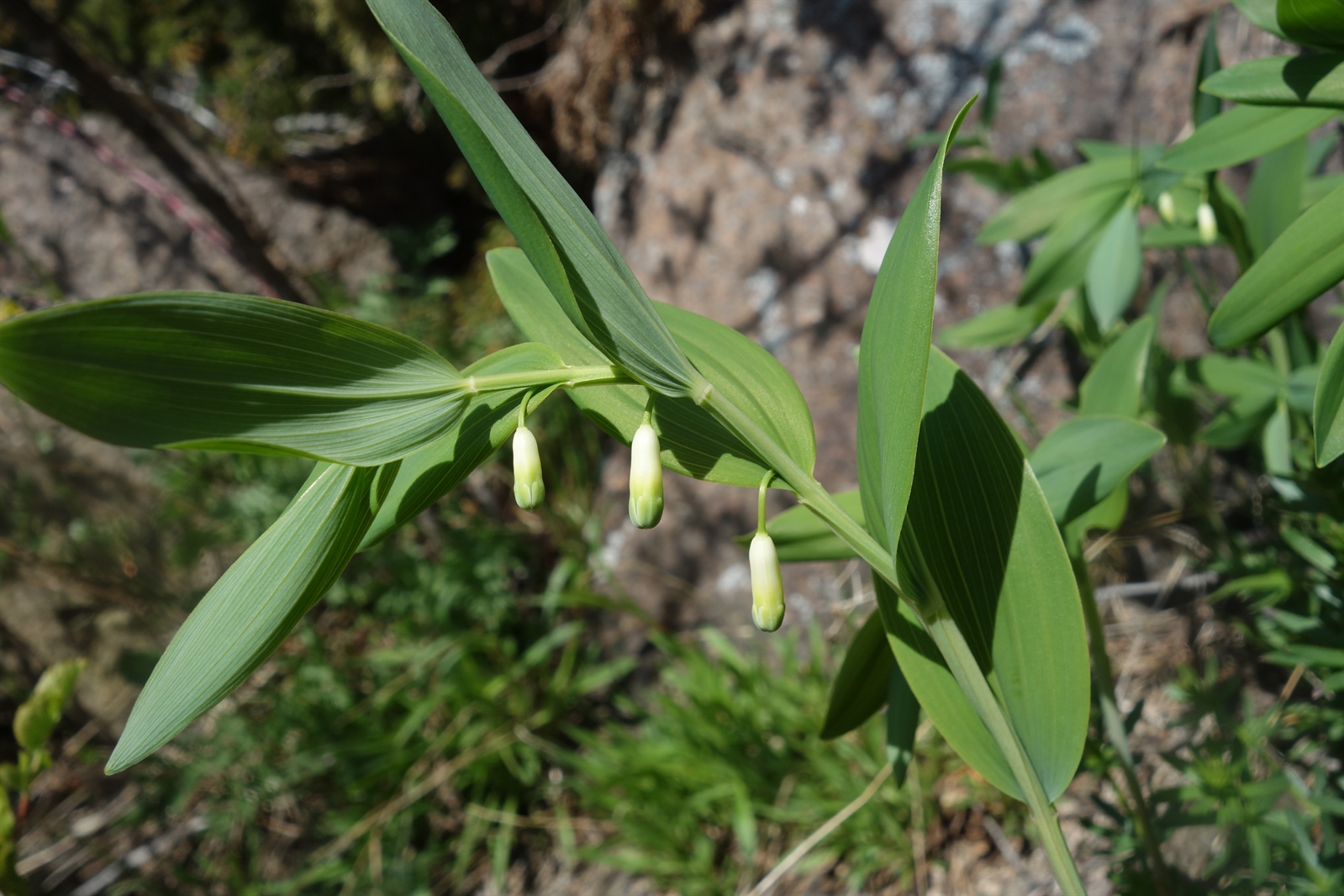
Polygonatum odoratum is a clump-forming herbaceous shade perennial reaching 18-24 inches (45-60 cm) tall and spreading by underground rhizomes 12-24 inches (30-60 cm) wide per year. The unbranched arching stems carry alternate ovate leaves 3-5 inches (7.5-13 cm) long arranged in two ranks along the stem. Pendant tubular white flowers measure 0.75-1 inch (2-2.5 cm) long, with green tips at the lobes; flowers hang in pairs (occasionally singly or in threes) beneath the stem from the leaf axils in late April through May. Flowers carry a fresh-floral fragrance most noticeable in the evening. Blue-black globular berries 0.3 inch (8 mm) across develop in late summer and persist into autumn; the berries are toxic if ingested. Foliage turns clear yellow in early autumn before dying back to ground level. Plants spread steadily by rhizomes at 6-12 inches (15-30 cm) per year and form colonies covering 4-6 square feet (0.4-0.6 sq m) within 5-6 years from a single division. The species is native to Europe and parts of Asia and has naturalized in some northeastern United States woodlands. Sawfly larvae occasionally defoliate stems in late spring; affected plants regrow normally the following year.
Native Range
Native to woodlands and shaded grasslands across temperate Europe and Asia, from the British Isles east through Siberia to Japan and Korea, where it grows on humus-rich soils in dappled shade. Naturalized in parts of the northeastern United States where it persists in old garden sites and adjacent woodlands.Suggested Uses
Used as a woodland-garden groundcover and in shaded perennial borders spaced 12-18 inches (30-45 cm) apart, where the steady rhizomatous spread fills 18-24 inch (45-60 cm) gaps within 3-4 years. Container plantings use pots of at least 5 gallons (19 L) with rich, moisture-retentive mix; container specimens spread less and require deeper watering. Limited to USDA zones 3-8; foliage scorches in zones 9-11 unless full shade and consistent moisture are available.How to Identify
Appearance
Size & Dimensions
Height1'6" - 2'
Width/Spread1' - 2'
Bloom Information
Bloom occurs from late April through May in zones 5-7 and from early to mid-April in zones 8, with each stem holding open flowers for 2-3 weeks. A mature colony produces 30-60 flowering stems per square meter (roughly 3-6 stems per square foot). Bloom is reliable across the hardiness range and is little affected by weather.
Detailed Descriptions
Flower Description
white tubular flowers with green-tipped lobes hanging from leaf axilsFoliage Description
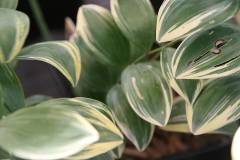
medium greenGrowing Conditions
Sun Requirements
Requires 1-4 hours of direct sunlight daily
• Full Sun: 6+ hours of direct sunlight
• Partial Shade: 3-6 hours of direct sunlight
• Full Shade: Less than 3 hours of direct sunlight
Care & Maintenance
Care Guide
Rhizomes are planted horizontally 1-2 inches (2.5-5 cm) below the soil surface in early spring or autumn, spaced 12-18 inches (30-45 cm) apart in moist humus-rich soil with dappled to full shade. Watering 1 inch (2.5 cm) per week during the first growing season aids establishment; mature colonies tolerate occasional dry periods but enter early dormancy under sustained drought. Annual top-dressing with leaf mold or compost in autumn maintains soil organic matter under the dense rhizome mat. Sawfly larvae defoliate stems in May-June in some regions; manual removal limits population without chemical treatment. Crown rot develops in waterlogged sites, particularly during winter dormancy in heavy clay. Colonies do not require division but can be divided every 5-7 years to expand plantings.Pruning
Old foliage is left in place to senesce naturally in autumn or removed at ground level after frost has yellowed leaves. No mid-season pruning is needed. Browning leaf tips during late-summer drought can be removed for appearance; the trim does not affect plant vigor.Pruning Schedule
Prune: November
fall
Container Growing
Suitable for container growing
Minimum container size: 5 gallons