Sisyrinchium, Genus, californicum, Species,
- Genus & species
golden blue-eyed grass
Overview
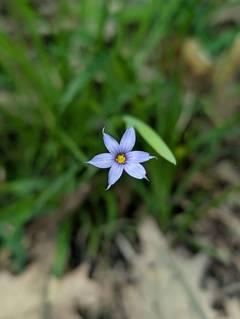
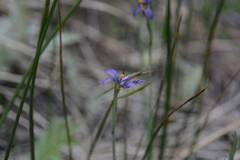
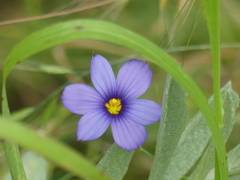
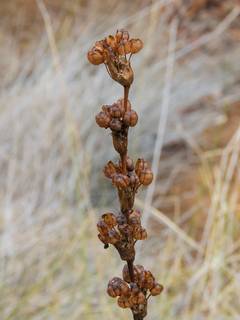
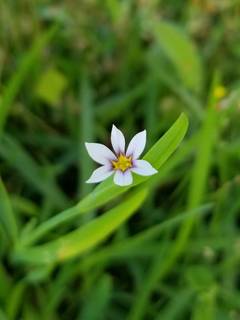
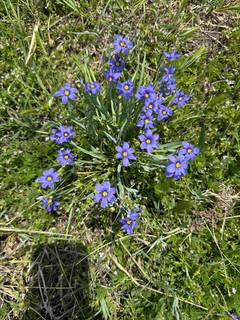
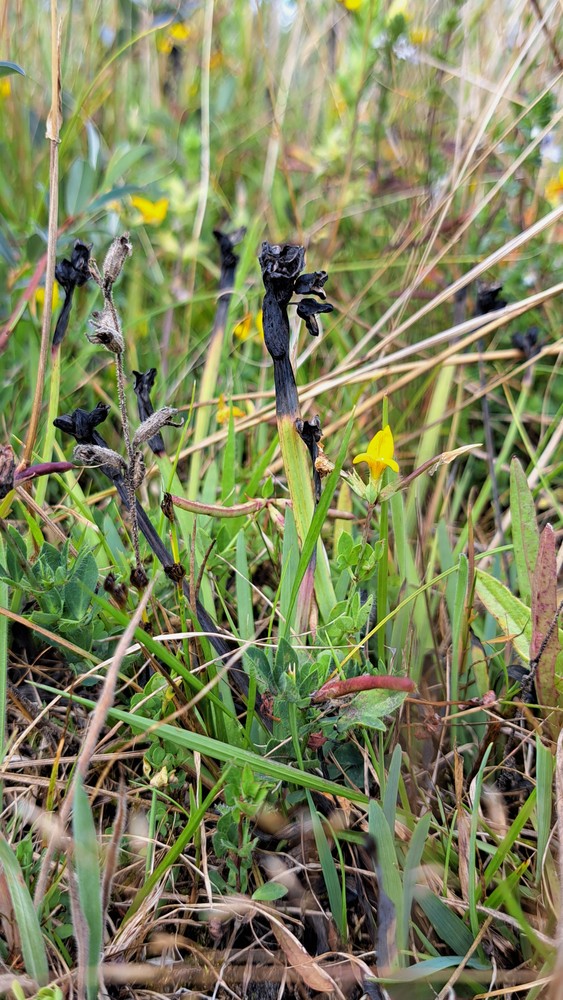
Sisyrinchium californicum is a herbaceous perennial reaching 6-18 inches (15-45 cm) tall and 6-12 inches (15-30 cm) wide, forming a clumping fan of flat, narrow leaves from a short fibrous-rooted crown. Leaves are linear, 0.25 inch (6 mm) wide and 4-12 inches (10-30 cm) long, light green and often slightly glaucous. Yellow, six-tepaled flowers 0.5-0.75 inch (12-19 mm) across open one or two at a time in clusters at the tip of slender stems from April through July, with peak bloom from May to mid-June. Each flower opens for one day, closing in late afternoon. Tepals have brown veining and a yellow-green throat. After flowering, round capsules 0.25 inch (6 mm) wide ripen August through September, splitting to release small black seeds. Foliage may stay green through winter in mild coastal climates (zones 8-10), turning yellow-brown and dying back in colder zones (7 and below). Plants self-seed in moist, open soil, producing 10-20 seedlings annually around established clumps. Lifespan 3-6 years; populations persist longer through self-seeding. The species has naturalized in coastal Britain and Ireland following 19th-century horticultural introduction.
Native Range
Native to coastal wet meadows, dune swales, bluff seeps, and stream margins from southern British Columbia south through coastal Washington and Oregon to central California. Restricted to seasonally wet sites within 10 miles (16 km) of the Pacific coast at elevations from sea level to 500 feet (150 m).Suggested Uses
Used in rain gardens, bog plantings, pond margins, and damp pollinator borders in coastal Pacific Northwest gardens. Spaced 8-12 inches (20-30 cm) apart in drifts of 7-15 plants. Tolerates seasonal flooding to 2 inches (5 cm) deep, suiting it to swale plantings and stormwater bioretention basins.How to Identify
Appearance
Size & Dimensions
Height6" - 1'6"
Width/Spread6" - 1'
Bloom Information
Flowers April through July across the range, with peak bloom from May through mid-June in coastal zones 8-10. Each flower opens for one day, closing by late afternoon; new flowers open from successive buds over a 4-6 week bloom period. Cool, overcast coastal weather extends bloom; hot, sunny days reduce daily flower lifespan to a few hours.
Detailed Descriptions
Foliage Description
light greenGrowing Conditions
Sun Requirements
Requires 5-10 hours of direct sunlight daily
• Full Sun: 6+ hours of direct sunlight
• Partial Shade: 3-6 hours of direct sunlight
• Full Shade: Less than 3 hours of direct sunlight
Care & Maintenance
Care Guide
Plant container-grown stock in spring or fall in moist, humus-rich soil with full sun to light shade. Provide consistent moisture during the growing season; the species does not tolerate prolonged summer drought. In garden settings outside the cool maritime range, afternoon shade reduces leaf scorch in summer. Crown rot may develop in heavy clay soils with poor drainage. Plants reseed in moist soil and produce 10-20 seedlings annually; volunteers can be transplanted in spring or removed by hoeing. Crowns decline after 3-5 years and benefit from division in early spring.Pruning
No pruning is required during the growing season. Remove dead foliage in late fall or early spring as old leaves brown. Cut spent flowering stalks to the base of the foliage to limit self-seeding.Pruning Schedule
Prune: July & November
summerfall
Container Growing
Suitable for container growing
Minimum container size: 1 gallons