Sisyrinchium, Genus, spp., Multiple species,
- Genus
- Multiple species
blue-eyed grasses
Overview
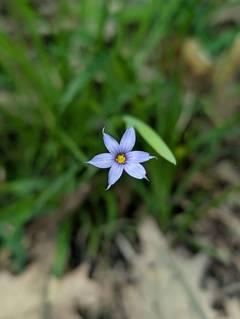
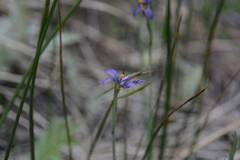
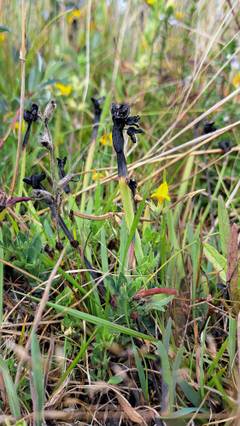
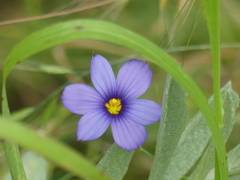
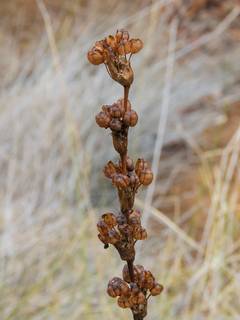
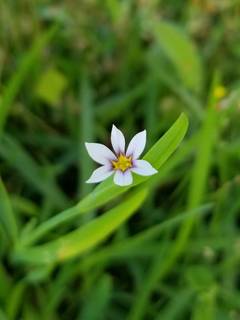
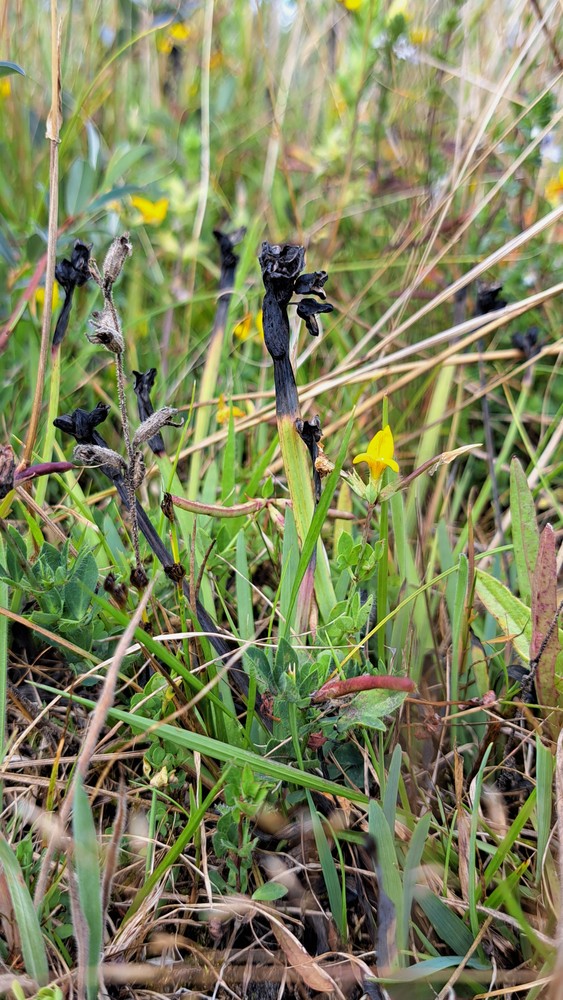
Sisyrinchium is a genus of roughly 140 species of grass-like perennials in the iris family, Iridaceae, native to the Americas. Despite the common name blue-eyed grass, the plants are not grasses; they form fans of narrow, flattened leaves 10–40 cm (4–16 in) long that rise from short rhizomes in dense clumps. The flowering stems are often flattened and winged, reaching 10–50 cm (4–20 in) tall. Each flower has six tepals arranged in a flat star, 1–2 cm (0.4–0.8 in) across, in blue, violet, white, or yellow, usually with a contrasting yellow center and narrow darker veins. Individual flowers open for a single day, with new buds opening over a period of weeks. The flowers close in the afternoon and in cloudy weather. Seed capsules are small, round, 3–6 mm (0.1–0.2 in), ripening tan to black. Plants are short-lived in heavy or wet soils and depend on self-seeding to persist, and clumps tend to decline after a few years without division.
Native Range
The genus is native to the Americas, from Canada and the United States through Mexico, Central America, and South America, with strong representation in both North American grasslands and the temperate grasslands of southern South America.Suggested Uses
Used in rock gardens, meadow and prairie plantings, border fronts, and naturalized areas where the grassy clumps and star-shaped flowers suit informal settings. The small stature suits edging and container culture. The short lifespan and reliance on self-seeding limit use where a permanent, unchanging planting is wanted.How to Identify
Appearance
Size & Dimensions
Height4" - 1'8"
Width/Spread6" - 1'
Bloom Information
Flowering occurs mainly in late spring and early summer, broadly April to June, with some species reblooming into late summer in cooler climates. Each flower lasts a single day, opening in morning sun and closing by afternoon. A succession of buds keeps clumps in flower over four to six weeks.
Detailed Descriptions
Flower Description
blue, violet, white, or yellowFoliage Description
greenGrowing Conditions
Sun Requirements
Requires 6-10 hours of direct sunlight daily
• Full Sun: 6+ hours of direct sunlight
• Partial Shade: 3-6 hours of direct sunlight
• Full Shade: Less than 3 hours of direct sunlight
Care & Maintenance
Care Guide
Most species grow in full sun to light shade and flower most freely in open sun. They prefer moist but well-drained soil and a pH of 5.5 to 7.0, and many tolerate poor, sandy ground. Wet winter soils cause crowns to rot, which is the most common cause of loss. Hardiness ranges across USDA zones 4–9 depending on species, with grassland natives surviving the coldest zones in that range. Clumps are short-lived and respond to division every two to three years to maintain vigor. Self-sown seedlings often replace aging parent plants.Pruning
Shearing spent flower stems after bloom keeps clumps tidy and can limit excessive self-seeding. Dividing crowded clumps in early spring renews vigor and yields new plants. Removing dead foliage in late winter clears the way for fresh growth.Pruning Schedule
Prune: June–July
summer
Container Growing
Suitable for container growing
Minimum container size: 1 gallons