Image 1 of 10
1 / 10
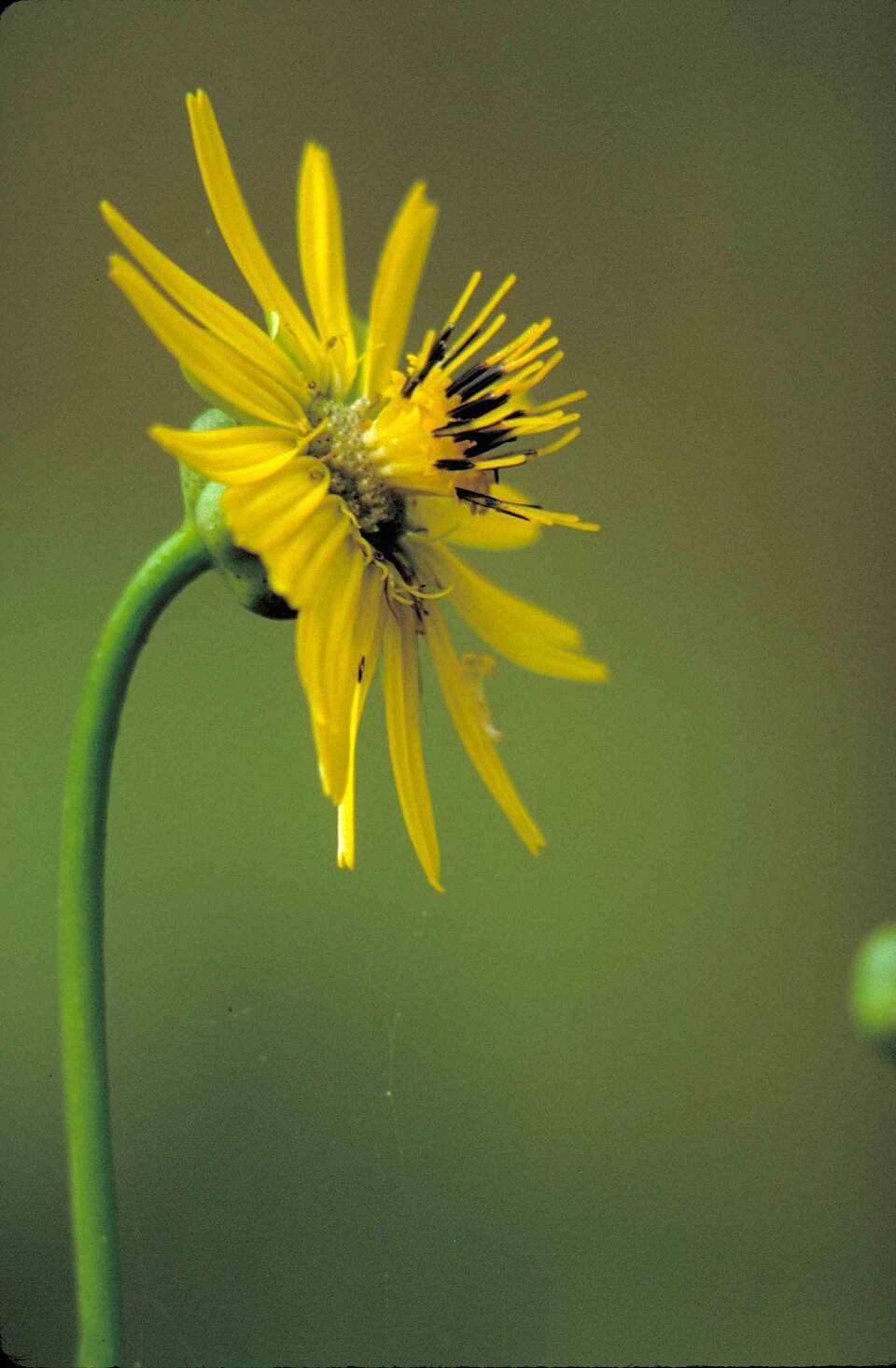
Barnes Dr Thomas G, U.S. Fish and Wildlife Service, no rights reserved (CC0) · Wikimedia Commons
Silphium, Genus, terebinthinaceum, Species,
- Genus & species
prairie dock
Overview
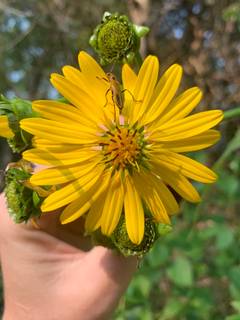
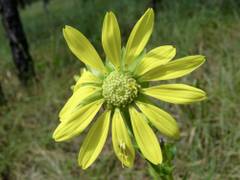
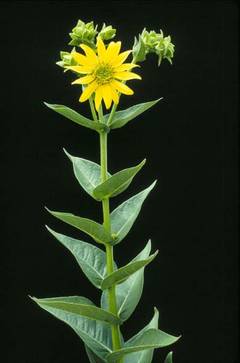
Silphium terebinthinaceum is a long-lived herbaceous perennial of the tallgrass prairie, forming a clump of very large basal leaves above a deep, woody taproot. The rough, sandpapery leaves are broadly oval to triangular, 12-24 inches (30-60 cm) long, held nearly vertical on long petioles, which reduces water loss in full sun. From these basal rosettes rise smooth, nearly leafless flowering stalks 4-10 feet (1.2-3 m) tall. Yellow composite flower heads, 2-3 inches (5-7.6 cm) across, open in loose branched clusters at the top of each stalk from midsummer into early fall. Each head carries ray and disk florets typical of the sunflower family, and the seeds ripen into flat, winged achenes taken by goldfinches and other birds. The taproot can extend 10-14 feet (3-4.3 m) into the soil, anchoring the plant through drought and prairie fire. It is hardy in USDA zones 4-8 and establishes slowly, often taking three to four years to bloom from seed. Mature clumps are difficult to transplant because of the deep root. The coarse leaves and tall stalks need room in a planting.
Native Range
Silphium terebinthinaceum is native to the central and eastern United States and southern Ontario, from Ohio west to Iowa and Missouri and south to Georgia and Louisiana. It grows in tallgrass prairies, savannas, open woods, and prairie remnants along roadsides and railroads.Suggested Uses
Used in prairie restorations, native meadows, rain gardens, and the back of large borders where its height has room. Suited to pollinator and bird habitat plantings on deep soils.How to Identify
Appearance
Size & Dimensions
Height4' - 10'
Width/Spread2' - 3'
Bloom Information
Detailed Descriptions
Foliage Description
rough dark greenGrowing Conditions
Sun Requirements
Requires 6-10 hours of direct sunlight daily
• Full Sun: 6+ hours of direct sunlight
• Partial Shade: 3-6 hours of direct sunlight
• Full Shade: Less than 3 hours of direct sunlight
Care & Maintenance
Care Guide
Grows in full sun in medium to dry soils, including heavy clay. Established plants are drought tolerant through the deep taproot and need no irrigation in most years. A pH range of 6.0-7.5 and average to well-drained ground suit the species. Plants grown from seed develop the root first and may not flower until the third or fourth year. Division is impractical once the taproot forms, so seed is the usual method of propagation. Spring planting of young seedlings establishes most reliably.Pruning
Spent stalks can be cut to the ground in late fall or late winter after seed drops. No other pruning is required. Stalks left standing through winter hold seed for birds and add vertical structure.Pruning Schedule
Prune: February & November
fallwinter