Sesleria, Genus,
- Genus
moor grass
Overview
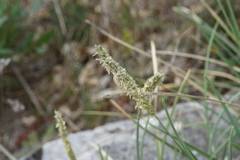
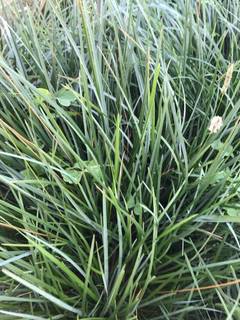
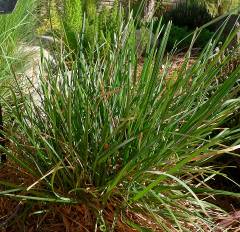
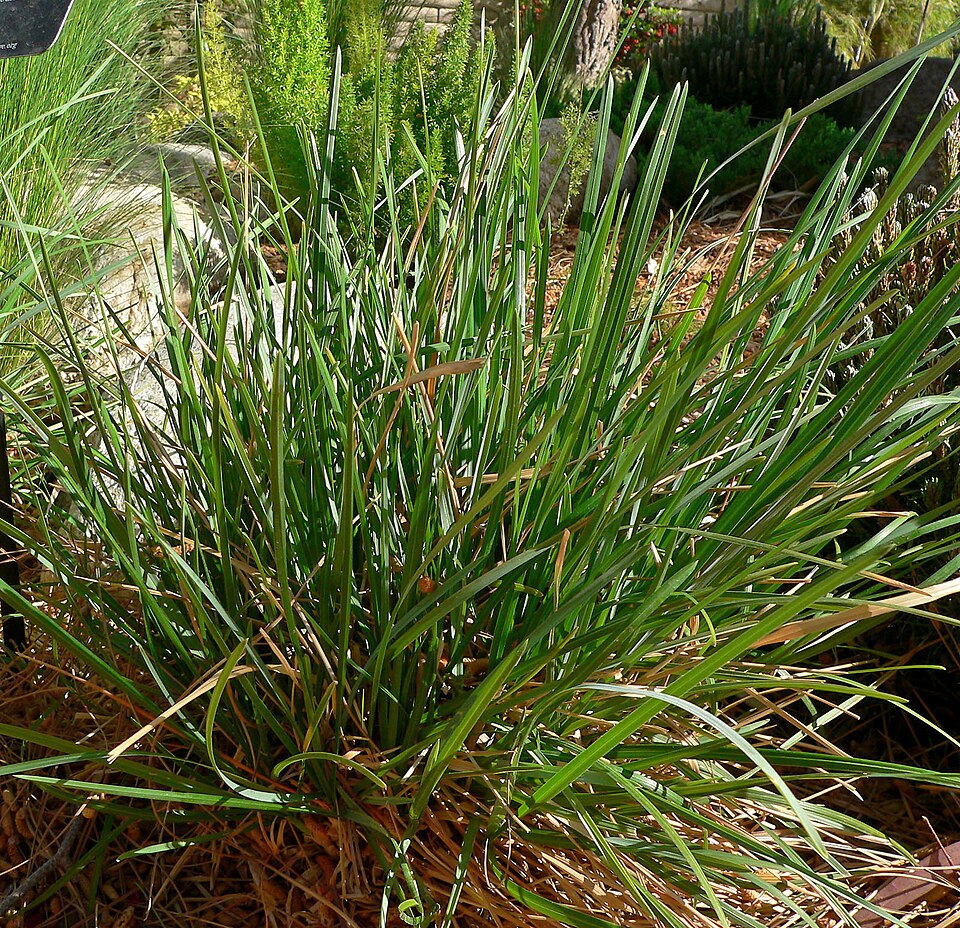
Sesleria is a genus of about 30 cool-season clumping grasses in the family Poaceae, native to Europe and the Mediterranean region. Plants form dense tufts of narrow foliage 8-18 inches (20-45 cm) tall, with flowering stems rising to 18-30 inches (45-75 cm) and clumps spreading 12-18 inches (30-45 cm) wide. The leaf blades are about 1/8 inch (2-4 mm) wide and vary by species from grey-blue and glaucous, as in S. caerulea, to two-toned green with silvery undersides in S. autumnalis. Foliage is evergreen to semi-evergreen, holding through mild winters. Short, dense cylindrical flower spikes 0.5-2 inches (1.5-5 cm) long are carried just above the leaves, silvery-purple to grey-black when fresh and fading to straw. Different species flower from early spring to autumn. The clumps are slow-creeping and tidy, tolerating heat, drought, and a range of soils once established, though they can look ragged in deep shade or rich, wet ground and respond to a spring comb-through that removes dead blades.
Native Range
Native to Europe and the Mediterranean basin, from the British Isles and the Alps to the Balkans and Mediterranean mountains. Species grow on limestone grassland, rocky slopes, screes, and open woodland, many on alkaline soils.Suggested Uses
Grown in mass plantings, gravel gardens, green roofs, dry slopes, and the front of borders, spaced 12-15 inches (30-38 cm) apart. The low evergreen tufts suit ground cover, edging, and matrix or meadow-style schemes with perennials and other grasses. Compact and drought-tolerant, it also grows in containers and troughs.How to Identify
Appearance
Size & Dimensions
Height8" - 2'6"
Width/Spread1' - 1'6"
Bloom Information
Flowering time depends on the species: S. caerulea flowers in early to mid-spring, while S. autumnalis flowers from late summer into autumn. The dense spikes appear over several weeks and hold their form as they fade to straw. Across the genus, some species are in flower from spring through autumn.
Detailed Descriptions
Flower Description
silvery-purple to grey-blackFoliage Description
grey-blue to greenGrowing Conditions
Sun Requirements
Requires 4-10 hours of direct sunlight daily
• Full Sun: 6+ hours of direct sunlight
• Partial Shade: 3-6 hours of direct sunlight
• Full Shade: Less than 3 hours of direct sunlight
Care & Maintenance
Care Guide
Grows in full sun to part shade in well-drained soil across a wide pH range, from 5.5 to 8.0, including dry, alkaline, and rocky ground. Drought is tolerated once established, and most species hold up in heat and poor soil. Wet, heavy winter soil is the main weakness, causing the crowns to rot. Little feeding is needed, and rich soil produces lax, floppy growth. The grass is largely free of pests and diseases. A spring comb or light shear removes the previous seasons dead blades.Pruning
Dead blades are combed out by hand or with a rake in early spring, or the clump is sheared to a few inches before new growth begins. Hard cutting is tolerated by the deciduous species but can thin the evergreen ones, so a light comb suits them. Spent flower spikes can be left for texture or removed once they fade.Pruning Schedule
Prune: March
early spring
Container Growing
Suitable for container growing
Minimum container size: 2 gallons