Image 1 of 5
1 / 5
Plant Reference
Sesleria, Genus, spp., Multiple species,
- Genus
- Multiple species
moor grass
Europe (limestone grasslands, mountain meadows, and moorlands of central and southern Europe from the Mediterranean to Scandinavia)
Overview
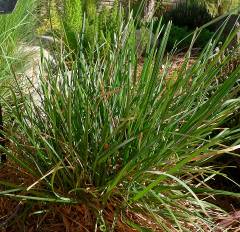
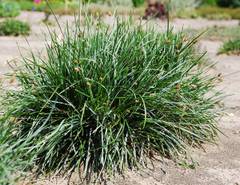
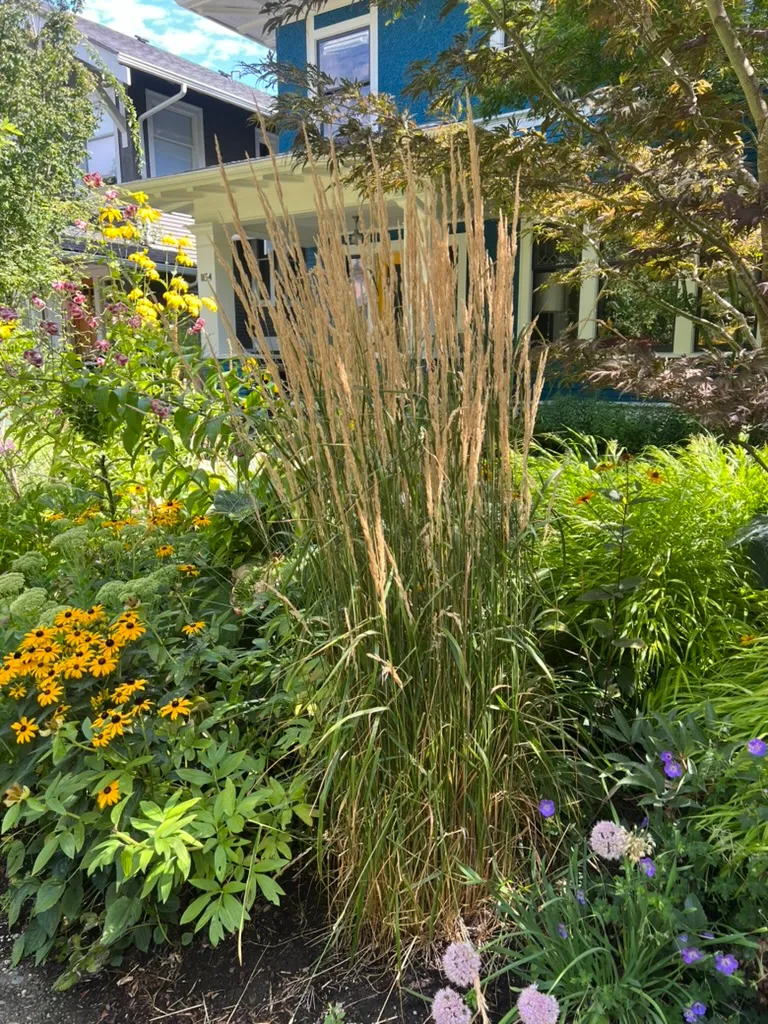
Sesleria is a genus of approximately 30 cool-season perennial grasses in the family Poaceae, native primarily to the limestone grasslands, mountain meadows, and moorlands of central and southern Europe from the Mediterranean to Scandinavia. Plants reach 8-18 inches (20-45 cm) tall and 10-15 inches (25-38 cm) wide in a compact dense mounding clump. Narrow leaves carry two-toned coloration: dark green on the upper surface and blue-grey to silver-green on the underside, and the bicolor effect reveals itself when wind turns the leaves. Dense compact flower spikes 0.5-1 inch (1-2.5 cm) long appear in early spring, often in March, placing the genus with the earliest-flowering ornamental grasses. Cultivated species in trade include S. autumnalis (autumn moor grass), S. caerulea (blue moor grass), and S. heufleriana (green moor grass). Foliage is evergreen to semi-evergreen and carries winter structure. Hardy to USDA zones 4-5 depending on species. Growth is slow to moderate, reaching full size in 2-3 years. Non-toxic.
Native Range
Sesleria species are native to Europe, primarily the limestone grasslands, mountain meadows, and moorlands of central and southern Europe from the Mediterranean to Scandinavia.Suggested Uses
Planted in rock gardens, gravel gardens, the front of perennial borders, mass plantings, meadow gardens, and green roofs at 10-15 inch (25-38 cm) spacing. Mass plantings of 5 or more clumps produce the ground-covering effect the genus is suited to, because individual clumps read as small scattered mounds in isolation. Evergreen to semi-evergreen foliage carries structure through winter. Limestone and heavy-clay soils that limit many ornamental grasses suit the genus. Acidic sites fall outside the use range.How to Identify
Appearance
Size & Dimensions
Height8" - 1'6"
Width/Spread10" - 1'3"
Bloom Information
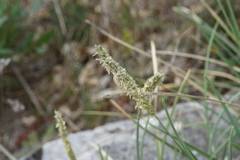
Dense compact silvery to dark purple flower spikes 0.5-1 inch (1-2.5 cm) long, borne in early spring (often March) in most climates. S. autumnalis carries a secondary flowering in fall. Pollination is by wind. Seed heads can be left through the season for structure.
Detailed Descriptions
Flower Description
Silvery to dark purple depending on species; dense compact spikes 0.5-1 inch (1-2.5 cm); early spring (often March)Foliage Description
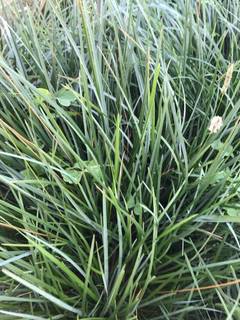
Dark green upper surface and blue-grey to silver-green underside; narrow two-toned leaves; bicolor effect reveals in wind; evergreen to semi-evergreenGrowing Conditions
Sun Requirements
Requires 4-10 hours of direct sunlight daily
• Full Sun: 6+ hours of direct sunlight
• Partial Shade: 3-6 hours of direct sunlight
• Full Shade: Less than 3 hours of direct sunlight
Care & Maintenance
Care Guide
Grows in full sun to partial shade in well-drained alkaline to neutral soil at pH 6.5-8.0. Hardy to USDA zones 4-5 depending on species. Limestone affinity is reflected in the genus's tolerance of calcareous and heavier soils compared with most ornamental grasses, and acidic sites fall outside the use range. Drought tolerance develops after establishment. A cutback or combing-out of old foliage in late winter before new growth emerges refreshes the mound without cutting into the crown. Division every 3-4 years renews clumps that have opened at the center.Pruning
Old foliage is cut back or combed out in late winter before new growth begins; the crown itself is not cut into. Division every 3-4 years renews clumps when the center dies out.Pruning Schedule
Prune: February–March
winterearly spring
Container Growing
Suitable for container growing
Minimum container size: 2 gallons