Scirpus, Genus, microcarpus, Species,
- Genus & species
small-fruited bulrush
Alaska south through British Columbia, Washington, Oregon, and northern California; east across Canada and the northern United States to the Atlantic coast; also northeastern Asia
Overview
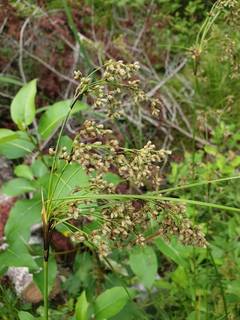
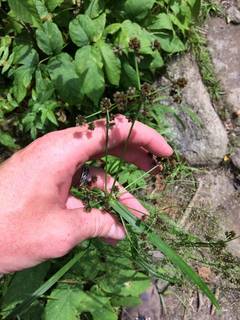
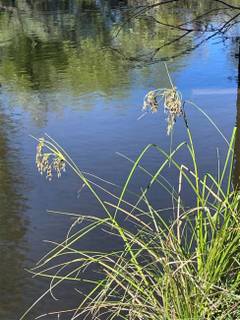
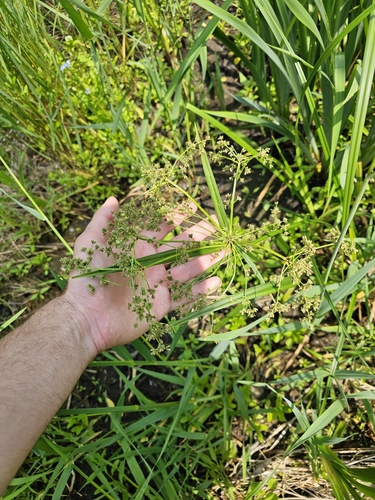
Scirpus microcarpus is a rhizomatous wetland sedge of the family Cyperaceae, growing 2-5 feet (60-150 cm) tall in clumps that expand slowly through short underground stems. Triangular stems are absent in this species; the culms are round to slightly angled, smooth, and bear 6-12 flat green leaves 0.25-0.6 inch (6-15 mm) wide along the lower two-thirds of the stem. Inflorescences are open compound umbels 4-8 inches (10-20 cm) across, with numerous short branches ending in dense clusters of small greenish spikelets that ripen to brown by August. The plant requires consistently saturated to shallowly inundated soil and will not persist in sites that dry out in summer. Foliage dies back to the rhizome in late fall, leaving brown stem bases through winter. Native populations occur in marshes, stream banks, wet ditches, pond margins, and seasonally flooded meadows from sea level to mid-montane elevations.
Native Range
Native to wetlands across northern and western North America from Alaska through British Columbia, Washington, Oregon, and California, east across Canada to the Atlantic coast, with disjunct populations in northeastern Asia. In the Pacific Northwest, it occurs in marshes, stream margins, ditches, and wet meadows from sea level to 5,000 feet (1,500 m).Suggested Uses
Used in pond-margin plantings, rain gardens with permanent water, restoration of wet meadows, and constructed treatment wetlands where its dense root mat stabilizes saturated soil. Spaced 18-24 inches (45-60 cm) apart for a continuous edge. Suited to natural-style water features rather than formal pond plantings due to its informal clumping habit.How to Identify
Appearance
Size & Dimensions
Height2' - 5'
Width/Spread1'6" - 3'
Bloom Information
Spikelets emerge in late June and continue into August, with each clump holding flowers and developing seeds simultaneously across the inflorescence for 6-8 weeks. The small spikelets ripen from green to brown by mid-August, and seed heads persist on the stems into October before shattering.
Detailed Descriptions
Flower Description
greenish to brown spikelets in dense terminal clustersFoliage Description
medium green; flat blades 0.25-0.6 inch (6-15 mm) wideGrowing Conditions
Sun Requirements
Requires 4-10 hours of direct sunlight daily
• Full Sun: 6+ hours of direct sunlight
• Partial Shade: 3-6 hours of direct sunlight
• Full Shade: Less than 3 hours of direct sunlight
Care & Maintenance
Care Guide
Plant in saturated mineral or organic soil at the edge of ponds, in rain gardens with a permanent water source, or in containers submerged 1-3 inches (2.5-7.5 cm) below the water surface. Soils ranging from clay to silty loam in the pH range 5.5-7.5 are tolerated, and the species accepts both full sun and light afternoon shade. Water requirements are constant; the plant fails in seasonally dry sites. No fertilizer is needed in mineral wetland soils, though container-grown plants benefit from a slow-release aquatic plant fertilizer in spring. Rhizomes spread 6-12 inches (15-30 cm) per year and can fill a 5-gallon (19 L) container in 2 seasons. Division every 3-4 years prevents crowding in pond-margin plantings.Pruning
Cut spent stems to the rhizome in late winter (February-March) before new shoots emerge, removing the previous season's brown culms in one pass. No deadheading or summer trimming is required. Divide congested clumps in early spring by lifting the rhizome mat and cutting it into sections containing 3-5 active buds.Pruning Schedule
Prune: February–March
late spring