Scirpus, Genus, spp., Multiple species,
- Genus
- Multiple species
scirpus bulrushes
worldwide, especially temperate wetlands
Overview
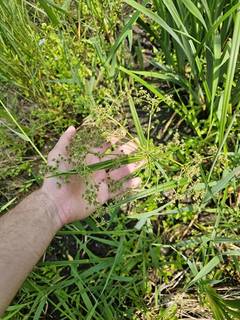
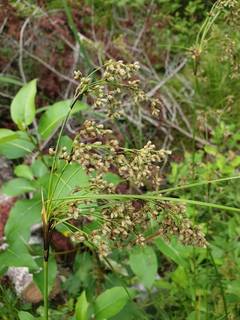
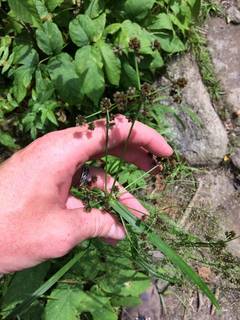
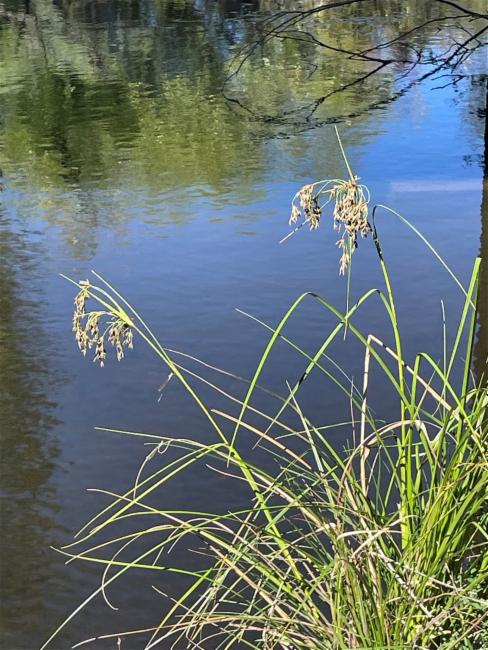
Scirpus is a genus of grass-like perennial plants in the sedge family (Cyperaceae), found in wetlands, marshes, and the margins of ponds and streams across temperate and cooler regions worldwide. Plants spread by creeping rhizomes to form clumps or colonies and send up stiff, erect, leafy stems 24 to 96 inches (60 to 240 cm) tall, with a spread of 18 to 36 inches (45 to 90 cm). The stems bear long, flat, grass-like leaves and end in branched, drooping clusters of many small brown to reddish-brown flower spikelets in summer. Unlike true grasses, sedges in this genus have solid stems and three-ranked leaves. The flowers are wind-pollinated and produce small nutlets eaten by waterfowl and marsh birds, while the dense stands provide cover and nesting habitat. Scirpus grows in full sun in wet, mucky, or seasonally flooded soils and tolerates standing water up to several inches deep. Plants can spread vigorously by rhizome and seed and may dominate small ponds and wet beds. They die back to the rootstock over winter and resprout in spring.
Native Range
Scirpus is widespread across the temperate and boreal Northern Hemisphere, with species in North America, Europe, and Asia, and additional species in cooler parts of the Southern Hemisphere. Several species are common in the marshes and wet meadows of North America.Suggested Uses
Scirpus is used at pond and stream edges, in rain gardens, bog gardens, and constructed wetlands, where it stabilizes banks and filters runoff. The stems and seed heads provide cover and food for waterfowl and marsh birds. The spreading habit suits large naturalized wet areas more than small formal pools.How to Identify
Appearance
Size & Dimensions
Height2' - 8'
Width/Spread1'6" - 3'
Bloom Information
Scirpus flowers in summer, mainly June through August, producing branched heads of small brown spikelets. The spikelets release wind-borne pollen and then ripen into small nutlets. The dried flower heads persist into fall and winter.
Detailed Descriptions
Flower Description
brown to reddish-brownFoliage Description
greenGrowing Conditions
Sun Requirements
Requires 6-12 hours of direct sunlight daily
• Full Sun: 6+ hours of direct sunlight
• Partial Shade: 3-6 hours of direct sunlight
• Full Shade: Less than 3 hours of direct sunlight
Care & Maintenance
Care Guide
Scirpus grows in full sun in constantly wet, mucky, or flooded soil at pond and stream margins and in rain gardens. Plants tolerate standing water several inches deep and will not survive prolonged drought once established. The genus spreads by rhizome and seed and can colonize a small pond or wet bed quickly, so it is often confined in containers or planting baskets to limit its spread. Plants need little feeding in rich wetland soils. Clumps can be divided in spring as growth resumes. Stems die back over winter and regrow from the rhizome.Pruning
Scirpus needs little pruning. Dead stems can be cut to the waterline or ground in late winter before new shoots appear. Removing flower heads before the seed ripens limits self-sowing into surrounding water and soil.Container Growing
Suitable for container growing