Schoenoplectus, Genus, tabernaemontani, Species,
- Genus & species
soft-stem bullrush
Overview
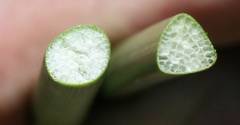
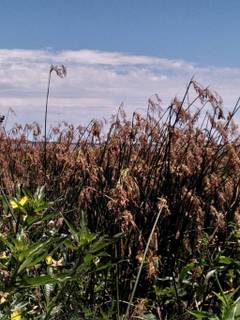
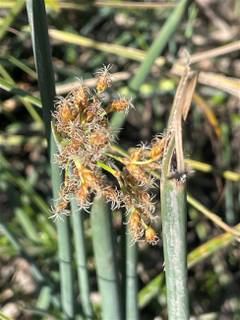
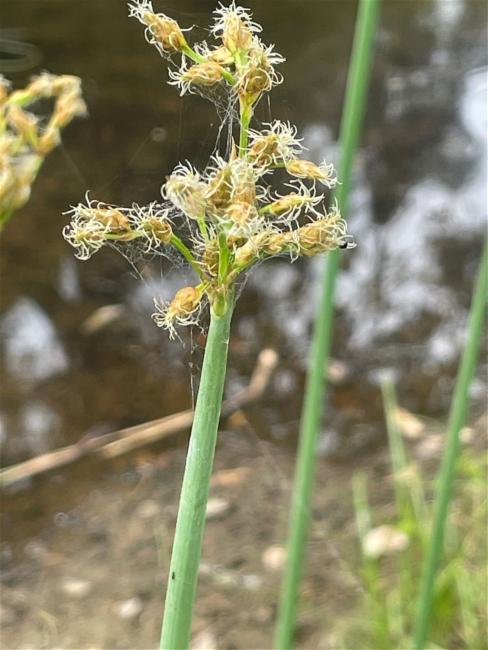
Schoenoplectus tabernaemontani is a herbaceous wetland sedge reaching 4-9 feet (1.2-2.7 m) tall, growing in dense colonies from spreading rhizomes to form patches 6-12 feet (1.8-3.5 m) across after 3-5 years. Stems are smooth, round in cross-section, soft when squeezed, blue-green to grey-green, and 0.3-0.6 inches (8-15 mm) thick. Leaves are reduced to bladeless sheaths at the stem base; the green stems carry out photosynthesis. Inflorescences emerge near the stem tip as drooping clusters of red-brown to grey-brown spikelets 0.2-0.4 inches (5-10 mm) long from June through September. Achenes mature in late summer and disperse by water and waterfowl. Plants spread through rhizomes, with new shoots emerging from the rhizome tip 4-12 inches (10-30 cm) ahead of the parent clump each year. Stems die back to the rhizome after first hard frost; new growth emerges from underwater rhizomes in spring as water temperatures rise above 50 F (10 C). The species occurs as a primary emergent vegetation component of freshwater marshes, lake margins, and slow stream banks across temperate North America. Aggressive rhizome spread makes containment necessary in landscape ponds; plants overgrow water-lily mats within 2-3 seasons.
Native Range
Native across North America from Alaska and southern Canada to Mexico, and across Eurasia from Western Europe to Japan. Grows in shallow standing water 4-30 inches (10-75 cm) deep in freshwater marshes, pond margins, lake shores, and slow-moving streams at 0-7,500 feet (0-2,300 m) elevation.Suggested Uses
Used in pond margins, rain gardens, constructed wetlands, and water purification systems in zones 4-9. Spaced 18-24 inches (45-60 cm) apart in mass plantings for habitat or filtration; closer spacing accelerates rhizome interlocking. Aggressive spread makes the species unsuitable for small water gardens or bog gardens under 100 sq ft (9 sq m) without containment.How to Identify
Appearance
Size & Dimensions
Height4' - 9'
Width/Spread6' - 12'
Colors
Bloom Information
June through September across most of the range, with peak flowering in July and August. Individual spikelets release pollen for 4-7 days; the species is wind-pollinated. Total bloom period at the colony level lasts 8-12 weeks. Achenes mature 4-6 weeks after pollen release and persist on dried inflorescences through winter.
Detailed Descriptions
Flower Description
Red-brown to grey-brownFoliage Description
Blue-green to grey-greenGrowing Conditions
Sun Requirements
Requires 6-12 hours of direct sunlight daily
• Full Sun: 6+ hours of direct sunlight
• Partial Shade: 3-6 hours of direct sunlight
• Full Shade: Less than 3 hours of direct sunlight
Care & Maintenance
Care Guide
Plant rhizome divisions in 4-30 inches (10-75 cm) of standing water in spring after water temperatures reach 50 F (10 C); plants tolerate brief drying but die in extended drawdown without damp soil. Plant baskets or root barriers in landscape ponds limit rhizome spread; uncontained colonies expand to fill the pond within 3-5 years. Salt tolerance is moderate, with plants persisting at salinities up to 5 parts per thousand but declining above 10 parts per thousand. Plants tolerate seasonal flooding to 4 feet (120 cm) and brief ice cover. Few diseases trouble the species; aphids occasionally colonize developing inflorescences without long-term harm. Cut dead stems in late winter before new shoots emerge; previous-year stems left in place can pierce emerging spring shoots and reduce stand density.Pruning
Cut spent stems back to the water line in late winter or early spring before new shoots emerge in May. Inflorescences and stems can be cut for fresh or dried floral use anytime from July through October. Escape rhizomes are removed by hand or with a sharpened spade at least once per season to limit colony spread.Pruning Schedule
Prune: February–March
winterearly spring
Container Growing
Suitable for container growing
Minimum container size: 7 gallons