Schoenoplectus, Genus, spp., Multiple species,
- Genus
- Multiple species
schoenoplectus bulrushes
Temperate and tropical wetlands worldwide, including North America
Overview
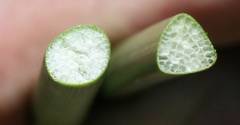
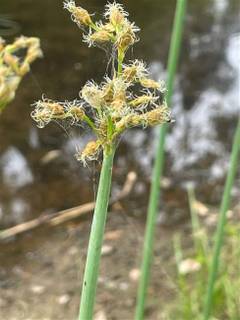
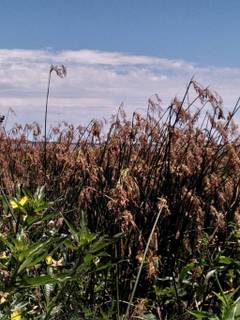
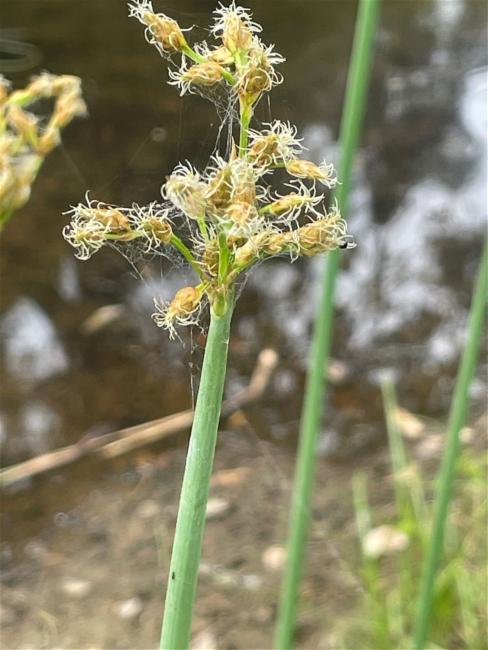
Schoenoplectus is a genus of about 80 species of rhizomatous sedges in the family Cyperaceae, known as bulrushes or clubrushes. They are emergent wetland plants found along the margins of ponds, lakes, marshes, and slow streams across much of the world. Plants form spreading colonies of upright, mostly leafless stems (culms) that are round or three-sided in cross-section, rising 3-10 feet (0.9-3 m) tall in green or, in selected forms, horizontally banded with cream. The flowers are small and clustered in brown to reddish-brown spikelets near the stem tips in summer, followed by hard nutlets. Leaves are reduced to sheaths at the base of the stems. The genus includes softstem bulrush (S. tabernaemontani), hardstem bulrush (S. acutus), and California bulrush (S. californicus). Plants spread strongly by creeping rhizome and can form dense stands, which suits them to large ponds and constructed wetlands but can crowd small water features. They tolerate standing water 4-12 inches (10-30 cm) deep and seasonal flooding, and the stems shelter and feed waterfowl, marsh birds, and aquatic insects.
Native Range
The genus is widely distributed across temperate and tropical wetlands worldwide, including North America, Europe, Asia, Africa, and Australia. Several species are native and common in North American marshes and pond margins from Canada to Mexico.Suggested Uses
Bulrushes are planted at pond and lake margins, in bog and rain gardens, and in constructed wetlands for water filtration and erosion control, spaced 18-36 inches (45-90 cm) apart. The tall vertical stems are used for structure in large water features and wildlife ponds. Banded and compact selections are grown in submerged containers in smaller pools.How to Identify
Appearance
Size & Dimensions
Height3' - 10'
Width/Spread2' - 4'
Bloom Information
Flowering occurs in summer, when clusters of brown to reddish spikelets form near the tips of the stems. The flowers are wind-pollinated and not showy, and they ripen to hard brown nutlets by late summer and autumn. Old flowering stems often persist into winter.
Detailed Descriptions
Flower Description
brown to reddish-brownFoliage Description
green; some forms banded with creamGrowing Conditions
Sun Requirements
Requires 6-12 hours of direct sunlight daily
• Full Sun: 6+ hours of direct sunlight
• Partial Shade: 3-6 hours of direct sunlight
• Full Shade: Less than 3 hours of direct sunlight
Care & Maintenance
Care Guide
Schoenoplectus species grow in full sun in wet soil or standing water 4-12 inches (10-30 cm) deep, in a pH range of 5.5-7.5, and tolerate clay, silt, and fluctuating water levels. They are hardy across USDA zones 3-9 and die back to the rhizome over winter in cold regions, resprouting in spring. Plants spread quickly by rhizome and can fill a small pond, so they are often grown in submerged baskets to limit their spread. They tolerate brackish water in some species but decline if the soil dries out for long periods. Few pests or diseases trouble them. Clumps are lifted and divided in spring to renew growth and control size.Pruning
Old stems are cut back to the waterline or ground in late winter before new growth emerges. Spent flowering stems can be trimmed through the season to limit self-seeding. Spreading colonies are thinned by removing sections of rhizome where they outgrow their space.Pruning Schedule
Prune: February
winter
Container Growing
Suitable for container growing
Minimum container size: 5 gallons