Saxifraga, Genus, ×, Hybrid, urbium, Species,
- Genus & species
- Hybrid
London pride
Garden hybrid; parent species from the Pyrenees ({S. umbrosa}) and western Ireland/Iberian Peninsula ({S. spathularis})
Overview
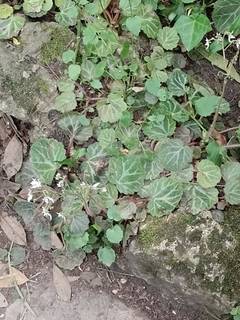
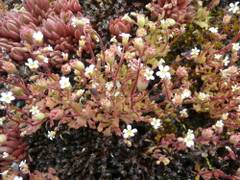
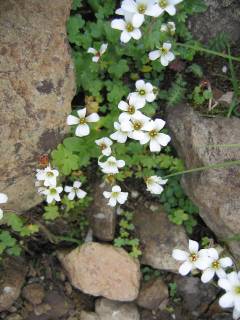
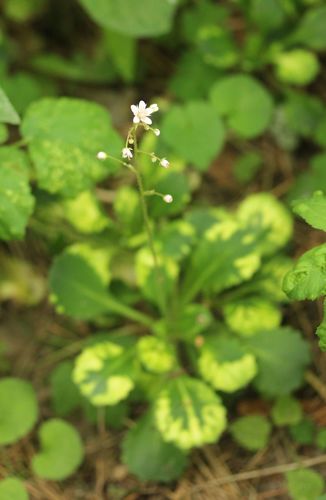
Saxifraga × urbium is London pride, a low evergreen perennial reaching 8–12 inches (20–30 cm) tall in flower and 12–18 inches (30–45 cm) wide, spreading by stolons to form a gradually expanding mat. The hybrid is S. umbrosa × S. spathularis. Glossy dark green spoon-shaped to ovate leaves 1–2 inches (2.5–5 cm) long with crenate margins form low rosettes. In May and June, loose airy panicles of white to pale pink star-shaped flowers 0.3 inch (8 mm) across rise 8–12 inches (20–30 cm) above the rosette mat; each petal carries tiny red-pink spots, a marking that requires close inspection to appreciate. Growth rate is moderate. Hardy in USDA zones 5–9. The genus name Saxifraga means 'rock-breaker' (from Latin saxum + frangere). The common name London pride references the plant's survival in London gardens during the Blitz of 1940–41, where it established on bomb-damaged rubble and persisted through the reconstruction. Established plants tolerate dry shade under deciduous tree canopy, where few other evergreen ground covers thrive. Non-toxic, deer-resistant.
Native Range
Saxifraga × urbium is a garden hybrid. The parent species S. umbrosa is native to the Pyrenees, and S. spathularis is native to western Ireland and the Iberian Peninsula.Suggested Uses
Planted as a shade ground cover, along shaded paths, under deciduous tree canopy, against north-facing walls, and in rock crevices at 12–15 inch (30–38 cm) spacing in USDA zones 5–9. Container culture in 2-gallon (8 L) or larger pots suits shaded patios and courtyards. The species tolerates the dry shade that develops under mature tree canopy once it is established, so the planting succeeds in positions where Hosta and Astilbe fail for lack of moisture. Combinations with Tiarella, Heuchera villosa, and small ferns produce layered shade plantings through the growing season.How to Identify
Appearance
Size & Dimensions
Height8" - 1'
Width/Spread1' - 1'6"
Bloom Information
Produces loose airy panicles of white to pale pink star-shaped flowers 0.3 inch (8 mm) across with tiny red-pink petal spots in May and June. Bloom duration is 5–6 weeks. The rosette mat is evergreen year-round and carries the structural interest outside the bloom window.
Detailed Descriptions
Flower Description
White to pale pink; star-shaped 0.3 inch (8 mm); tiny red-pink spots on each petal; in loose airy panicles 8–12 inches (20–30 cm) above the rosette matFoliage Description
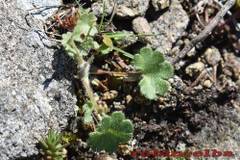
Glossy dark green; spoon-shaped to ovate 1–2 inches (2.5–5 cm); crenate margins; low rosettes spreading by stolonsGrowing Conditions
Sun Requirements
Requires 1-4 hours of direct sunlight daily
• Full Sun: 6+ hours of direct sunlight
• Partial Shade: 3-6 hours of direct sunlight
• Full Shade: Less than 3 hours of direct sunlight
Care & Maintenance
Care Guide
Plant in partial shade to full shade in moist loamy, clay, or peaty soil at pH 5.5–7.0. Hardy in USDA zones 5–9. Established plants tolerate dry shade under deciduous tree canopy, making the species suitable for positions where moisture-loving ground covers decline. The stoloniferous rosettes spread gradually to form a mat; excess stolons can be lifted and replanted where spread must be controlled. Division every 3–4 years manages congested mats and supplies starts for expanding the planting. Non-toxic to pets and deer-resistant.Pruning
Remove spent flower stems at the base after bloom in June. Trim dead rosettes in March before new growth. Lift and replant excess stolons as needed to keep the mat within its footprint. Divide congested mats every 3–4 years.Pruning Schedule
Prune: March & June
late springearly spring
Container Growing
Suitable for container growing
Minimum container size: 2 gallons