Image 1 of 11
1 / 11
Plant Reference
Saxifraga, Genus, stolonifera, Species,
- Genus & species
strawberry begonia
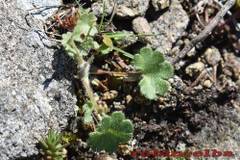
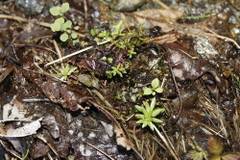
Eastern Asia — China, Japan, and Korea; moist rocky slopes, cliff faces, and shaded stream banks
Overview
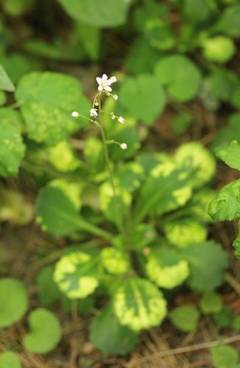
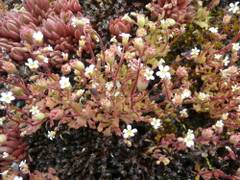
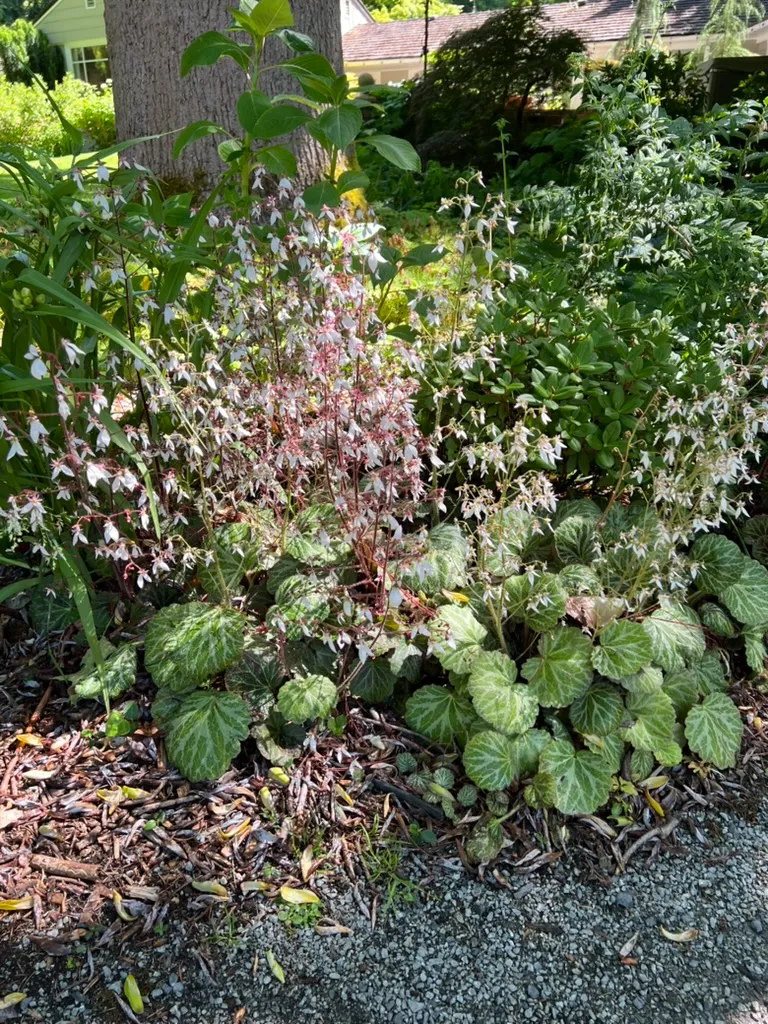
Saxifraga stolonifera is strawberry begonia (strawberry geranium), a low spreading evergreen perennial growing 2-18 inches (5-45 cm) tall (rosettes 2-4 inches / 5-10 cm; flower stalks to 18 inches / 45 cm) and 12-24 inches (30-60 cm) wide. White asymmetrical flowers with 2 elongated lower petals and 3 small yellow-and-red-spotted upper petals in airy panicles 8-18 inches (20-45 cm) in May-June (4 weeks). Dark olive-green rounded leaves 2-4 inches (5-10 cm) with silvery-gray vein patterns above and burgundy beneath. In Saxifragaceae. Stolonifera = bearing stolons. Spreads by red thread-like stolons with plantlets at the tips — similar to strawberry runners. Neither a begonia nor a strawberry — named for the leaf shape and stoloniferous habit. Native to China, Japan, and Korea. Also widely grown as a houseplant. Not drought-tolerant — requires consistently moist shade. Hardy only to zone 6 — the limited cold hardiness is the primary climatic restriction. Deer-resistant. Non-toxic. Zones 6-9. Part shade to full shade. Growth rate is moderate to fast (via stolons).
Native Range
Native to eastern Asia — China, Japan, and Korea. Found on moist rocky slopes, cliff faces, and shaded stream banks.Suggested Uses
Grown as a shade ground cover, in rock wall crevices, hanging baskets, and in containers of at least 2 gallons (7.5 L), spaced 12-24 inches (30-60 cm). Also a houseplant. Stoloniferous. Non-toxic. Zones 6-9.How to Identify
Appearance
Size & Dimensions
Height2" - 1'6"
Width/Spread1' - 2'
Bloom Information
Late spring to early summer (May-June). White asymmetrical flowers with 2 elongated lower petals and 3 small spotted upper petals in airy panicles. 4 weeks. Bee-visited.
Detailed Descriptions
Flower Description
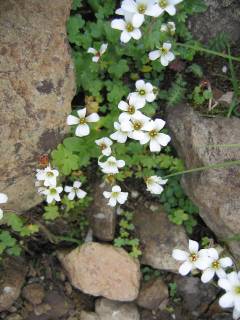
White, asymmetrical — 2 elongated lower petals 0.5-0.75 inch (1.3-2 cm) and 3 small upper petals spotted yellow and red; in airy panicles on slender stalks 8-18 inches (20-45 cm) above the rosettesFoliage Description
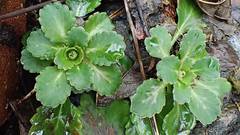
Rounded to kidney-shaped, 2-4 inches (5-10 cm), dark olive-green to gray-green above with prominent silvery-gray vein pattern; burgundy-red beneath; hairy; evergreenGrowing Conditions
Sun Requirements
Requires 1-4 hours of direct sunlight daily
• Full Sun: 6+ hours of direct sunlight
• Partial Shade: 3-6 hours of direct sunlight
• Full Shade: Less than 3 hours of direct sunlight
Care & Maintenance
Care Guide
Part shade to full shade (1-4 hours). Moist well-drained soil pH 5.5-7.0. Not drought-tolerant. Spreads by red stolons — remove excess or allow colonization. Hardy to zone 6 (grow as houseplant in colder zones). Deer-resistant. Non-toxic. Zones 6-9.Pruning
Remove spent flower stalks at the base. Remove excess stolons and plantlets to control spread. Remove tattered outer leaves.Pruning Schedule
Prune: June–July
summer
Container Growing
Suitable for container growing
Minimum container size: 2 gallons