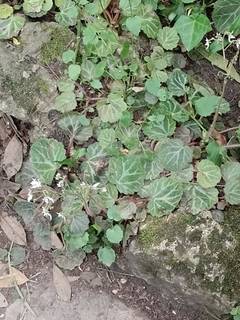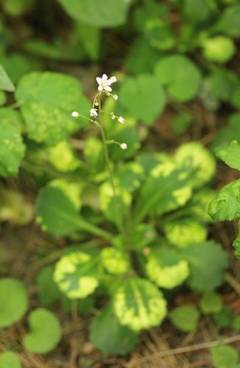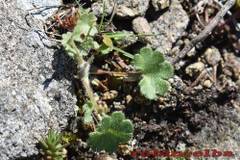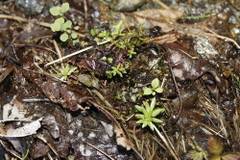
Saxifraga, Genus, tridactylites, Species,
- Genus & species
rue-leaved saxifrage
Europe, North Africa, and western Asia
Overview
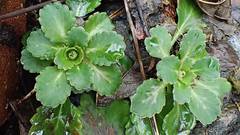
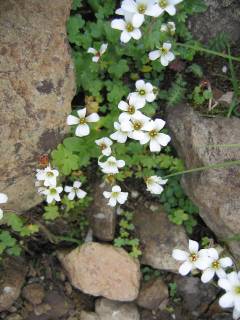
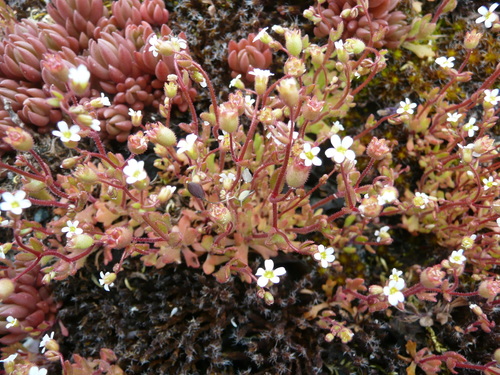
Saxifraga tridactylites is a small annual 1-6 inches (2.5-15 cm) tall, often flushed red and covered in sticky glandular hairs. Early growth forms a basal rosette of wedge-shaped leaves, most divided into three to five short finger-like lobes that give the plant its name, though lower leaves may be undivided. Slender, branching, reddish stems carry scattered stem leaves and end in tiny white flowers 0.1-0.16 inch (3-4 mm) across, each with five notched petals above a green to reddish cup. Flowering runs from March to June, after which the plant forms small two-beaked capsules holding numerous minute seeds and then dies. The whole cycle is completed in a few months, with seed germinating in autumn to overwinter as a small rosette. It grows on thin, dry, open substrates and turns deep red as it ripens and dries. Plants are short and easily overlooked among other low vegetation.
Native Range
Native to Europe, North Africa, and western Asia, from the Mediterranean north to Scandinavia. It grows on old walls, rock outcrops, gravel, sand dunes, and thin dry grassland on free-draining, often calcareous substrates at low to moderate elevations.Suggested Uses
Grown in rock gardens, gravel gardens, trough plantings, green roofs, and on wall tops, sown thinly where it can self-seed on open, gritty ground. Suited to dry, sunny, low-fertility sites rather than borders or rich soil. Small early flowers draw small bees and flies in spring.How to Identify
Appearance
Size & Dimensions
Height1" - 6"
Width/Spread1" - 3"
Bloom Information
Flowers from March to June, with peak bloom in April and May. Each small flower lasts only a few days, but a branching plant flowers over several weeks as buds open in turn. Bloom finishes early in dry springs as plants ripen seed and die.
Detailed Descriptions
Foliage Description
green to redGrowing Conditions
Sun Requirements
Requires 6-10 hours of direct sunlight daily
• Full Sun: 6+ hours of direct sunlight
• Partial Shade: 3-6 hours of direct sunlight
• Full Shade: Less than 3 hours of direct sunlight
Water & Climate
Water Needs
Drought Tolerance
Drought tolerant when established
Care & Maintenance
Care Guide
Grows in full sun on thin, sharply drained substrates such as gravel, sand, wall tops, and rock crevices, and tolerates drought and low fertility. It is raised from seed sown in autumn on a gritty, open surface, germinating to overwinter as a rosette before flowering in spring. No feeding or watering is needed once established, and rich or damp soils favour competing plants that crowd it out. Self-sown seed maintains a colony where the ground stays open. The plant has no significant pests or diseases and dies naturally after seeding.Pruning
No pruning is required. Plants are left to flower, set seed, and dry in place so seed can shed for the next generation, since they are annual and do not regrow. Dried remains are cleared once seed has dropped.Container Growing
Suitable for container growing
Minimum container size: 1 gallons
Toxicity
Non-toxicPlanting Guide
Planting Methods & Timing
Planting Method
direct sow
Direct Sow Timing
autumn