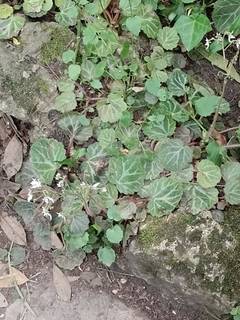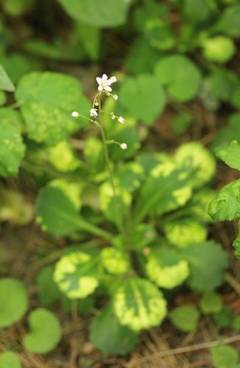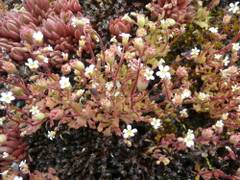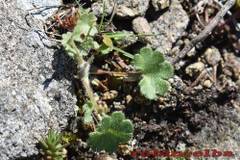
Saxifraga, Genus, spp., Multiple species,
- Genus
- Multiple species
saxifrages
Northern Hemisphere (arctic and alpine)
Overview
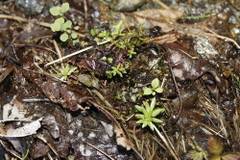
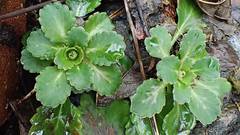
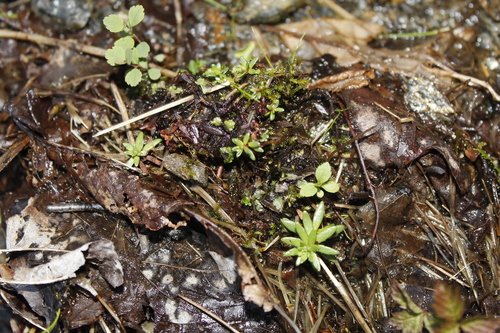
Saxifraga is a genus of roughly 400 species of mostly perennial herbs in the saxifrage family, concentrated in arctic, alpine, and mountain regions across the Northern Hemisphere and southward into the Andes. The name means stone-breaker, a reference to plants that grow in rock crevices. Most species form low rosettes or cushions 1-12 in (2.5-30 cm) tall and 4-18 in (10-45 cm) wide, ranging from tight silver-encrusted buns to soft mossy mounds and looser, leafy clumps such as the London pride group. Leaves are small, often fleshy or leathery, and some lime-loving species secrete chalky deposits along the leaf margins. Wiry stems carry five-petaled flowers 0.2-1 in (5-25 mm) across in white, pink, red, yellow, or cream, sometimes spotted, held singly or in airy sprays well above the foliage. Bloom comes mainly in spring and early summer. The genus grows in cool conditions, gritty soil, and sharp drainage, and most species decline in heat, humidity, and standing winter moisture. Requirements differ widely: some demand alkaline rock, others acidic ground, and a few tolerate ordinary borders.
Native Range
Native across the Northern Hemisphere, from arctic and subarctic tundra through the mountains of Europe, Asia, and North America, with outlying species in the Andes of South America. Many species are confined to specific alpine rock or scree habitats.Suggested Uses
Grown in rock gardens, troughs, crevice gardens, alpine houses, and as edging or groundcover with the looser London pride types, spaced 6-12 in (15-30 cm) apart. Cushion species suit walls and scree, while woodland species fill shaded, moist corners.How to Identify
Appearance
Size & Dimensions
Height1" - 1'
Width/Spread4" - 1'6"
Bloom Information
Most species flower from early spring into early summer, generally March to June, with some alpine types blooming as snow melts. Flower stems rise well above the rosettes and last several weeks. A few species rebloom or flower later in summer in cool climates.
Detailed Descriptions
Flower Description
White, pink, red, yellow, or creamFoliage Description
Green to silver-grey, some lime-encrustedGrowing Conditions
Sun Requirements
Requires 3-8 hours of direct sunlight daily
• Full Sun: 6+ hours of direct sunlight
• Partial Shade: 3-6 hours of direct sunlight
• Full Shade: Less than 3 hours of direct sunlight
Care & Maintenance
Care Guide
Grow in gritty, sharply drained soil in full sun to part shade, with shade from hot afternoon sun in warm regions. Most species need cool roots, steady moisture during growth, and dry conditions in winter, since standing water rots the crowns. Lime-encrusted types need alkaline, stony soil, while mossy and woodland types grow in cooler, moister, slightly acidic ground. Plants struggle in heat and humidity and are often grown in troughs, raised beds, or alpine houses. Hardiness ranges from USDA zones 2-8 depending on species. Topdress with grit to keep the crown dry.Pruning
Remove spent flower stems after bloom to tidy the rosettes and limit self-seeding. Trim away dead or rotted patches from cushions in spring and topdress with grit. Divide congested clumps after flowering to keep them vigorous.Pruning Schedule
Prune: June–July
summer
Container Growing
Suitable for container growing
Minimum container size: 1 gallons