Sanicula, Genus, canadensis, Species,
- Genus & species
black snakeroot
Overview
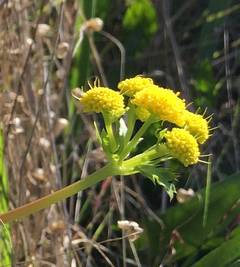
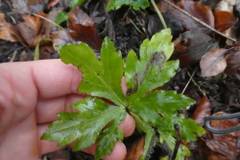
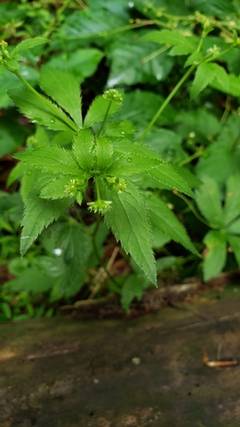
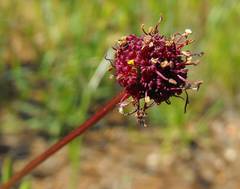
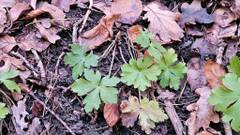
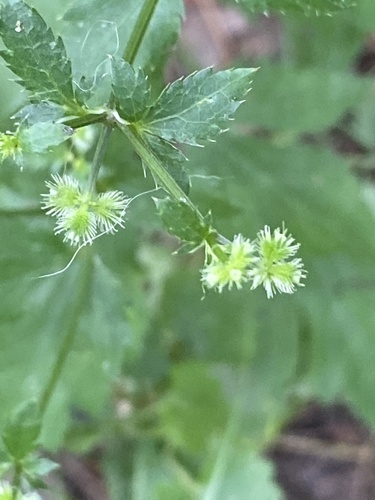
Sanicula canadensis is a herbaceous biennial or short-lived perennial in the carrot family, growing 12-36 inches (30-90 cm) tall and 12-18 inches (30-45 cm) wide on slender branching stems. The basal and lower leaves are palmately divided into three to five sharply toothed segments on long stalks, forming an open rosette before the stems rise. Small greenish-white flowers are clustered in tight, rounded heads on forking stalks, with male and bisexual flowers mixed in each head, blooming in late spring and summer. The flowers are followed by small egg-shaped fruits covered in hooked bristles that cling to fur and clothing, aiding seed dispersal. The plant grows in moist to dry deciduous woods, thickets, and shaded floodplains across eastern and central North America. The greenish-white flowers are small and easily overlooked, so the plant is most noticed when its bur-like fruits catch on clothing or fur. It tolerates shade and a range of soils, spreading modestly by seed into loose colonies. It is used mainly in native and woodland plantings and in habitat restoration.
Native Range
Native to eastern and central North America, from Quebec and Ontario south to Florida and west to Texas and the Great Plains. It grows in moist to dry deciduous woods, thickets, ravines, and shaded floodplains.Suggested Uses
Grown in native plant and woodland gardens, shaded naturalized areas, and habitat restoration under deciduous trees. The flowers supply nectar for small bees, wasps, and flies.How to Identify
Appearance
Size & Dimensions
Height1' - 3'
Width/Spread1' - 1'6"
Bloom Information
Detailed Descriptions
Foliage Description
greenGrowing Conditions
Sun Requirements
Tolerates up to 4 hours of direct sunlight daily
• Full Sun: 6+ hours of direct sunlight
• Partial Shade: 3-6 hours of direct sunlight
• Full Shade: Less than 3 hours of direct sunlight