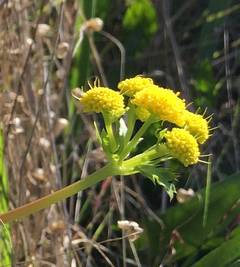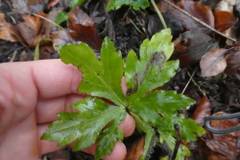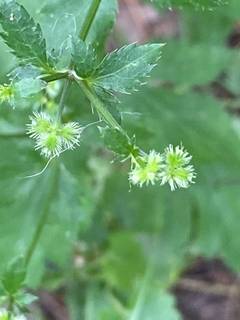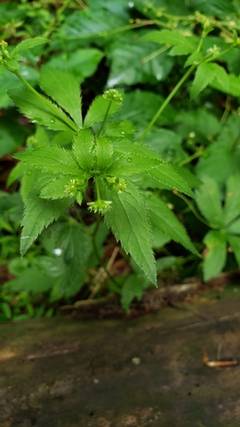
Sanicula, Genus, spp., Multiple species,
- Genus
- Multiple species
sanicles
Temperate regions worldwide (woodlands of the Americas, Eurasia, and Africa)
Overview
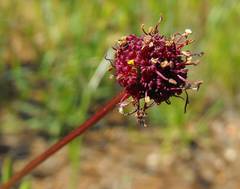
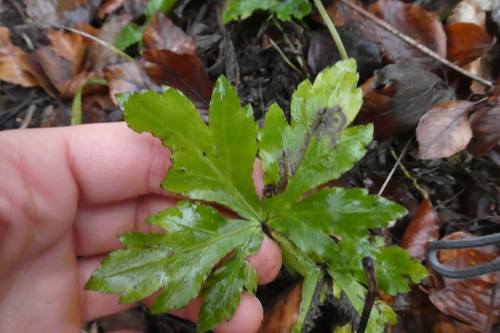
Sanicula is a genus of about 40 species of perennial and biennial herbs in the carrot family (Apiaceae), known as sanicles or black snakeroots. Plants grow 1-4 feet (30-120 cm) tall from a basal rosette of long-stalked leaves that are palmately lobed or divided into toothed segments. The small flowers are greenish white, yellow, or occasionally purple, gathered into tight rounded clusters rather than the broad flat umbels of many relatives in the family. Each flower head is subtended by leafy bracts, and the flowers give way to small dry fruits covered in hooked bristles. These burr-like fruits catch on fur and clothing, which carries the seed to new ground. Most species are woodland plants of shaded, humus-rich soils, and the genus is spread through temperate regions of nearly every continent. Several North American species, such as S. canadensis and S. marilandica, grow in deciduous woods and thickets. The plants are grown chiefly in native and woodland gardens, where the small greenish flowers suit naturalistic planting. Sanicula forms slowly and is long-lived once settled.
Native Range
Sanicula is native to temperate regions across North and South America, Eurasia, and Africa, growing mostly in woodland and shaded grassland. North America holds a number of species, several of them common in eastern and western forests.Suggested Uses
Planted in native, woodland, and shade gardens, in naturalistic groundlayer plantings under trees, and along shaded paths and stream banks. The clinging fruits and modest flowers suit the genus to supporting roles in mixed woodland plantings. Some species are grown in restoration and habitat plantings for their value to small insects.How to Identify
Appearance
Size & Dimensions
Height1' - 4'
Width/Spread1' - 2'
Bloom Information
Most Sanicula bloom from late spring into midsummer, with the small flower clusters lasting a few weeks. The flowers are visited by small bees, flies, and other short-tongued insects. The hooked fruits ripen by late summer and cling to passing animals.
Detailed Descriptions
Flower Description
greenish white to yellowFoliage Description
greenGrowing Conditions
Sun Requirements
Requires 2-6 hours of direct sunlight daily
• Full Sun: 6+ hours of direct sunlight
• Partial Shade: 3-6 hours of direct sunlight
• Full Shade: Less than 3 hours of direct sunlight