Ruschia, Genus, spp., Multiple species,
- Genus
- Multiple species
Tentfigs
Overview
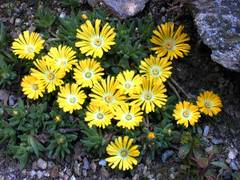
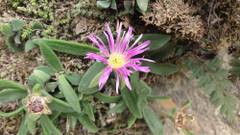
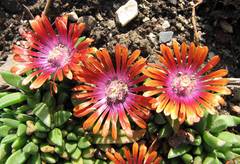
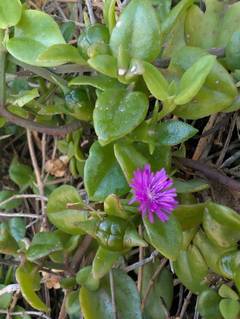
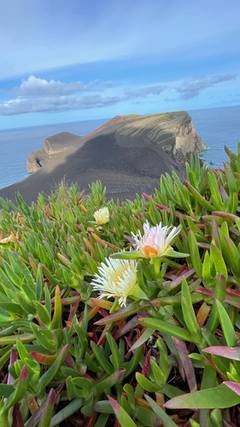
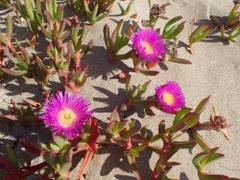
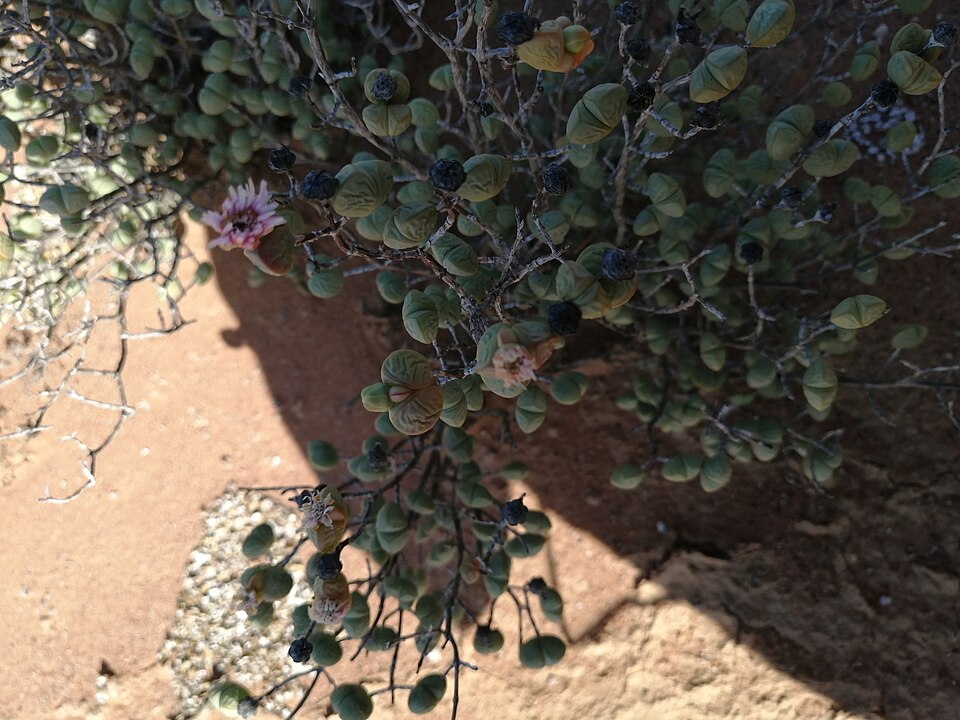
Ruschia is a genus of about 350 to 400 succulent shrubs and shrublets in the ice plant family, native to southern Africa, with most species in the winter-rainfall succulent Karoo of South Africa and Namibia. Plants range from low, ground-hugging mats to upright woody shrublets 4-36 in (10-90 cm) tall and 12-48 in (30-120 cm) wide, with stiff, woody older stems. The leaves are fleshy, three-angled to nearly cylindrical, 0.3-2 in (1-5 cm) long, grey-green to blue-green, and often joined in pairs at the base around the stem. From late winter into spring the genus produces many small many-petaled flowers 0.3-1 in (8-25 mm) across in pink, magenta, purple, or white, sometimes covering the plant. The petals are narrow and glossy, opening in sunshine. After flowering, woody seed capsules form that open to release seed when wetted by rain. Ruschia stores water in its leaves and stems and tolerates heat, drought, wind, and poor, stony soil, but rots in wet or shaded conditions. Most species are frost-tender, though a few from higher ground withstand light frost. Old plantings become woody and are renewed from cuttings.
Native Range
Native to southern Africa, concentrated in the arid winter-rainfall regions of the South African Cape and Namibia, where species grow on stony flats, rocky slopes, and dry scrub of the succulent Karoo and fynbos margins.Suggested Uses
Used as a drought-tolerant groundcover, in rock and gravel gardens, on green roofs, and as a low informal hedge, spaced 12-24 in (30-60 cm) apart. Suited to coastal and dry-climate landscapes and containers.How to Identify
Appearance
Size & Dimensions
Height4" - 3'
Width/Spread1' - 4'
Colors
Bloom Information
Detailed Descriptions
Flower Description
Pink, magenta, purple, or whiteFoliage Description
Grey-green to blue-greenGrowing Conditions
Sun Requirements
Requires 6-12 hours of direct sunlight daily
• Full Sun: 6+ hours of direct sunlight
• Partial Shade: 3-6 hours of direct sunlight
• Full Shade: Less than 3 hours of direct sunlight
Care & Maintenance
Care Guide
Grow in full sun in sandy, gritty, sharply drained soil; bloom thins and growth stretches in shade. Water sparingly once established, letting the soil dry fully between waterings, as the genus stores moisture and rots in soggy ground. Most species tolerate heat, wind, reflected light, and poor soil. Plants are frost-tender, hardy mainly in USDA zones 9-11, though a few withstand short, light frost. Feed little, since rich soil and excess water cause soft, weak growth. Renew old, woody clumps from stem cuttings, which root quickly in gritty mix.Pruning
Shear lightly after flowering to keep growth dense and shape the plant. Cut back bare, woody stems in spring to force new shoots from the base. Pinch young plants to increase branching.Pruning Schedule
Prune: April–May
spring
Container Growing
Suitable for container growing
Minimum container size: 2 gallons