Rhododendron, Genus, viscosum, Species,
- Genus & species
swamp azalea
Overview
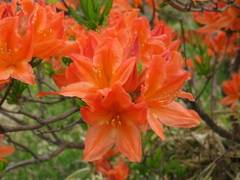
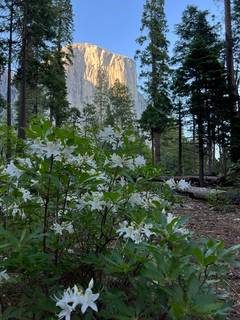
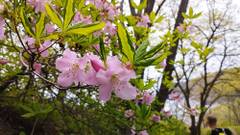
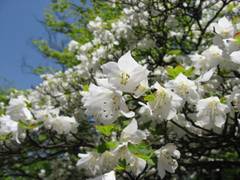
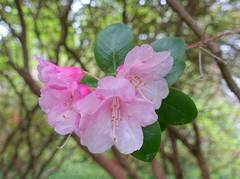
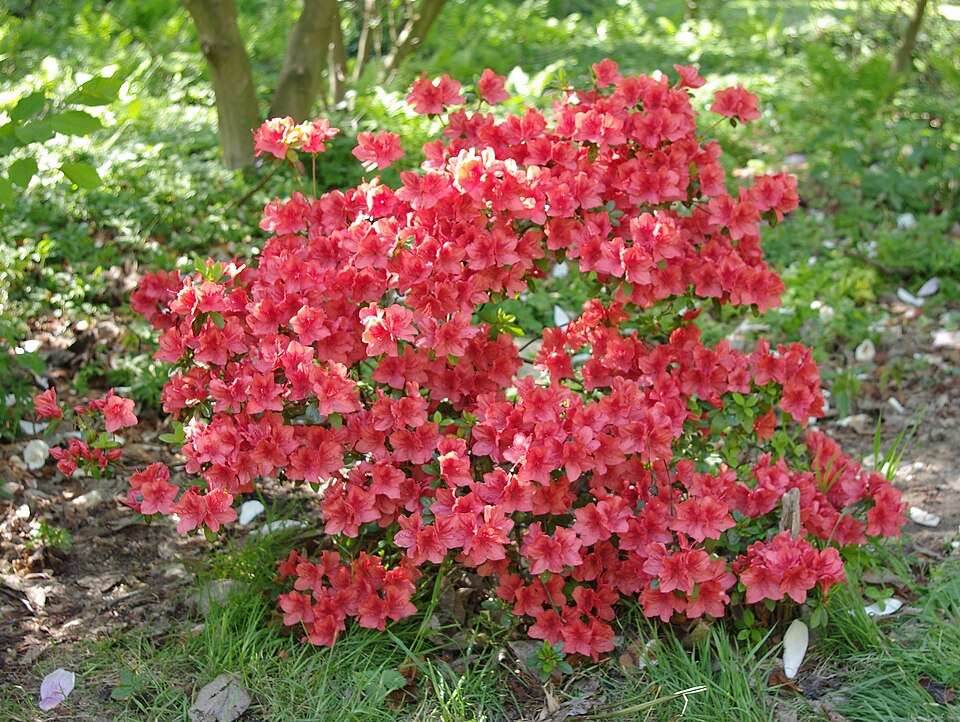
A deciduous shrub growing 3–8 feet (0.9–2.4 m) tall, occasionally to 12 feet (3.7 m), with an upright, loosely branched, sometimes suckering habit that forms thickets over time. Leaves are oblong to obovate, 1–2.5 inches (2.5–6 cm) long, dark green and somewhat glossy above with a paler, often bristly underside, turning orange to bronze-purple in fall. White, sometimes pink-tinged, tubular flowers open after the leaves, each 1–1.5 inches (2.5–4 cm) long with a slender tube covered in sticky glandular hairs and five spreading lobes with long protruding stamens. The flowers carry a clove-like scent. Bloom occurs from June to July, later than most azaleas. Flowers are grouped in clusters of 4–12 at the branch tips, followed by small dry seed capsules. The shrub grows from shallow, fibrous roots adapted to wet ground and spreads by underground runners. Growth rate is slow to moderate. It tolerates standing water in spring but requires acidic soil and declines in alkaline conditions.
Native Range
Native to eastern North America from Maine south to Florida and west to Texas, along the coastal plain and into the southern Appalachians. Grows in swamps, bogs, wet woodland margins, and along streams in acidic, peaty soils.Suggested Uses
Grown in rain gardens, bog gardens, pond margins, and moist woodland borders at 4–6 foot (1.2–1.8 m) spacing. Used in native and pollinator plantings, where the fragrant summer flowers draw butterflies and hummingbirds. Suited to wet sites where many shrubs fail, though it does not tolerate dry or alkaline soils.How to Identify
Appearance
Size & Dimensions
Height3' - 8'
Width/Spread3' - 8'
Bloom Information
Flowers open from June to July, after the foliage has expanded and several weeks later than most deciduous azaleas. Bloom lasts about 2–3 weeks. In the southern range flowering may begin in late May, while in the north it extends into early August.
Detailed Descriptions
Flower Description
White, sometimes pink-tingedFoliage Description
Dark green, turning orange to bronze-purple in fallGrowing Conditions
Sun Requirements
Requires 4-8 hours of direct sunlight daily
• Full Sun: 6+ hours of direct sunlight
• Partial Shade: 3-6 hours of direct sunlight
• Full Shade: Less than 3 hours of direct sunlight
Care & Maintenance
Care Guide
Grows in full sun to partial shade in consistently moist to wet, acidic soils with a pH of 4.5–6.0. The shallow roots are sensitive to drought, and the plant declines if the root zone dries out during the growing season. Alkaline soils cause iron chlorosis and yellowing foliage. A mulch of pine bark or leaf litter retains soil moisture and keeps the roots cool. Powdery mildew can develop on the leaves in humid sites by late summer. Spider mites and lace bugs feed on plants grown in dry, sunny locations.Pruning
Prune immediately after flowering, since flower buds form on the previous season's growth. Remove dead, damaged, or crossing stems and thin older canes at the base to renew thicket-forming clumps. Cutting back hard reduces the following year's bloom. Suckers can be removed to limit spread.Pruning Schedule
Prune: July
summer