Rhododendron, Genus, simsii, Species,
- Genus & species
Indian azalea
Southern China, Taiwan, Hong Kong, northern Myanmar
Overview
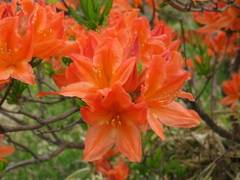
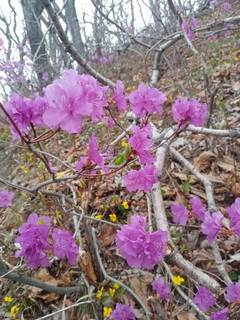
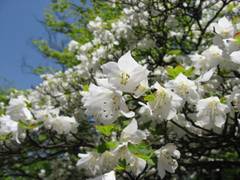
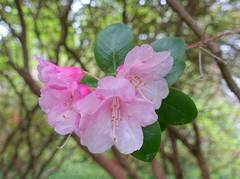
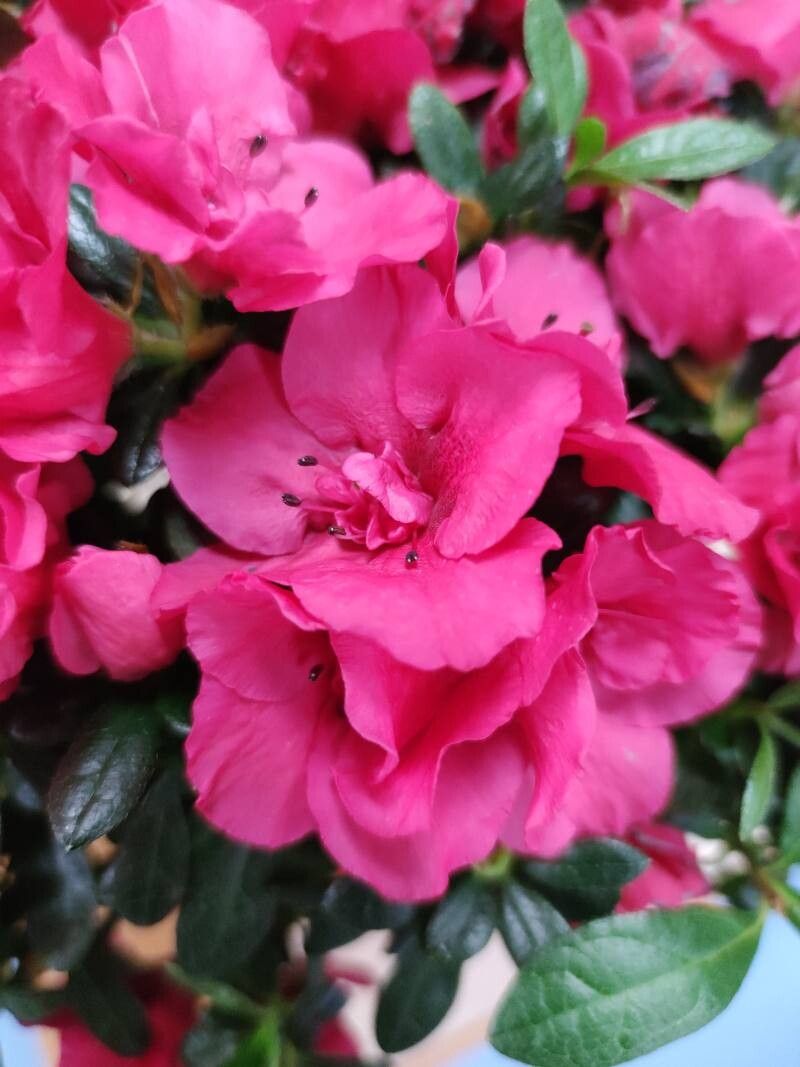
Rhododendron simsii is an evergreen to semi-evergreen azalea reaching 36-72 inches (90-180 cm) tall and 36-60 inches (90-150 cm) wide in landscape settings, and dwarfed to 12-24 inches (30-60 cm) when grown as a florist gift plant. Funnel-shaped flowers 1.5-2.5 inches (4-6 cm) across appear singly or in clusters of 2-6 at branch tips in spring, ranging from rose-pink in the wild type to red, salmon, white, and bicolor in cultivated forms; double-flowered selections are common in florist production. Leaves are elliptic to lanceolate, 1-2.5 inches (2.5-6 cm) long, dark green above with sparse rusty hairs on the underside and along stems; older leaves drop in cold winters while newer growth persists. The species is the principal parent of the florist Indian azalea trade group and of many garden azaleas in zones 8-9. All parts contain grayanotoxins and are toxic to humans, dogs, cats, and horses if ingested, causing vomiting, drooling, weakness, and in severe cases cardiac arrhythmia. Hardy outdoors to zones 8-9, with foliage damage at temperatures below 15°F (-9°C) and root death below 10°F (-12°C). Sold worldwide as a forced flowering pot plant, where postharvest life lasts 3-6 weeks indoors before flowers drop.
Native Range
R. simsii is native to southern China, Taiwan, Hong Kong, and northern Myanmar, where it occurs on hillsides, in open woodland, and along stream banks at 1,500-8,500 feet (450-2,600 m) elevation.Suggested Uses
Grown as a forced flowering gift pot plant year-round indoors in any zone, and as an outdoor landscape shrub in mild-winter climates of zones 8-9 spaced 36-48 inches (90-120 cm) apart. Container culture in 1-3 gallon (4-11 L) pots is typical for indoor sales. Toxic to humans and pets if ingested.How to Identify
Appearance
Size & Dimensions
Height1' - 6'
Width/Spread3' - 5'
Bloom Information
Flowers appear in spring, with peak bloom in March to May outdoors in zones 8-9. Florist forms in greenhouses are forced for winter and early spring sale. Individual flowers last 4-7 days; total bloom on a plant lasts 3-5 weeks at typical indoor temperatures of 60-70°F (15-21°C), and slightly longer when held cooler.
Detailed Descriptions
Flower Description
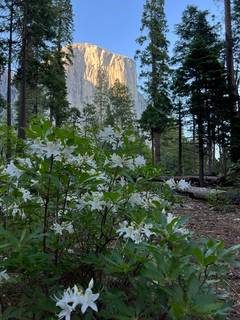
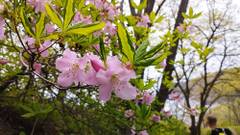
Rose-pink, red, salmon, white, or bicolor; single or doubleFoliage Description
Dark green with rusty hairs on undersidesGrowing Conditions
Sun Requirements
Requires 2-4 hours of direct sunlight daily
• Full Sun: 6+ hours of direct sunlight
• Partial Shade: 3-6 hours of direct sunlight
• Full Shade: Less than 3 hours of direct sunlight
Care & Maintenance
Care Guide
Bright indirect light indoors; outdoors, part shade with morning sun and afternoon shade in zones 8-9. Soil pH 4.5-5.5, sharp drainage, high in organic matter. Water when the top inch (2.5 cm) of soil dries; potted plants in flower can require water every 1-3 days indoors. Lace bugs (Stephanitis pyrioides) cause stippled bleached foliage on outdoor plants in warm regions. All parts contain grayanotoxins and are toxic to humans, dogs, cats, and horses if ingested. Indoor florist plants typically decline 6-10 weeks after purchase and are usually discarded rather than reflowered.Pruning
Prune outdoor plants immediately after bloom by removing spent flower trusses and shortening overlong shoots; flower buds for the following spring set on summer growth. Indoor florist plants need no pruning. Older outdoor specimens tolerate hard rejuvenation pruning to 12 inches (30 cm) in early spring with 1-2 years of reduced flowering during recovery.Pruning Schedule
Prune: May–June
late spring
Container Growing
Suitable for container growing
Minimum container size: 1 gallons