Rhododendron, Genus, ×, Hybrid, hybridum, Species,
- Genus & species
- Hybrid
garden rhododendron
Garden origin; parent species from Asia, North America, and Europe
Overview
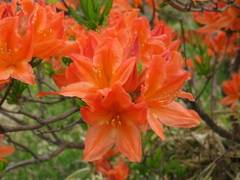
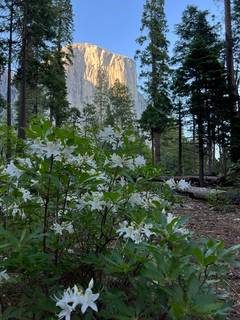
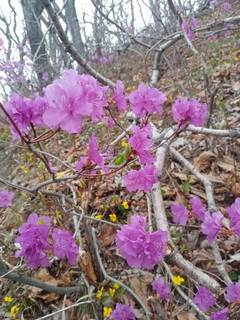
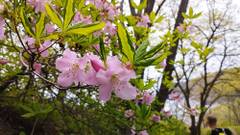
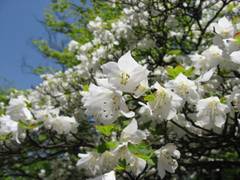
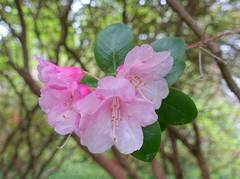
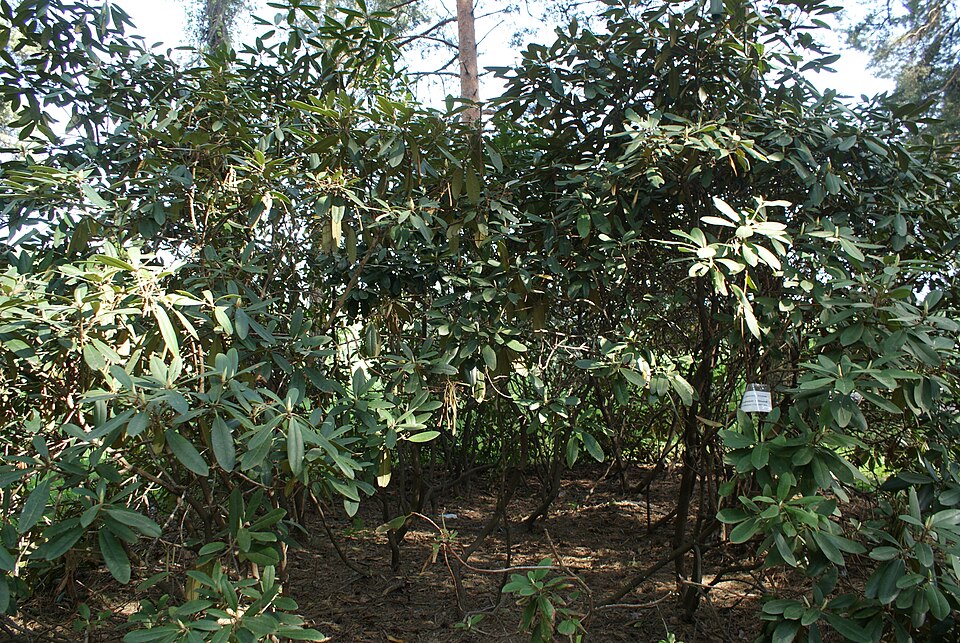
Rhododendron × hybridum covers the broad group of evergreen garden rhododendrons bred from many Rhododendron species, forming rounded shrubs commonly 3–8 feet (0.9–2.4 m) tall and wide, with some cultivars larger or more compact. Leathery, elliptic dark green leaves 3–6 inches (7.5–15 cm) long persist year-round and curl downward in cold weather. Domed trusses of funnel-shaped flowers 1.5–3 inches (4–7.5 cm) across open in mid to late spring, in colors spanning white, pink, red, purple, and yellow, often with contrasting throat spots. The plants are shallow-rooted and need cool, moist, acidic soil; they decline in heat, drought, and alkaline ground. Roots rot in heavy or waterlogged soil and suffer in dry spells, since the shallow roots sit near the surface. All parts contain grayanotoxins that are toxic to people and pets, and honey made from the flowers can also be poisonous. Foliage may yellow from chlorosis where soil pH is too high. Most flower for two to three weeks in spring, with little repeat bloom.
Native Range
Rhododendron × hybridum is a group of garden hybrids with no wild range, bred from species native to the mountains of Asia, North America, and Europe. The parent species grow in cool, humid woodlands and uplands with acidic soils. The hybrids are propagated by cuttings and grafting to keep each cultivar uniform.Suggested Uses
Planted as foundation shrubs, in woodland and shade borders, and as spring-flowering specimens, spaced 4–6 feet (1.2–1.8 m) apart in acid-soil gardens. Lower-growing cultivars are used as informal hedges and in large containers of acidic mix. The evergreen foliage gives year-round structure in shaded plantings.How to Identify
Appearance
Size & Dimensions
Height3' - 8'
Width/Spread3' - 8'
Bloom Information
Flowering occurs in mid to late spring, mostly April to May, with timing varying by cultivar and climate. Each rounded truss carries 10–20 funnel-shaped flowers that open over one to two weeks. Bees visit the flowers, and spent trusses are often removed before seed forms. Most garden rhododendrons bloom once, though a few cultivars produce a lighter second flush.
Detailed Descriptions
Flower Description
white, pink, red, purple, or yellowFoliage Description
dark greenGrowing Conditions
Sun Requirements
Requires 2-6 hours of direct sunlight daily
• Full Sun: 6+ hours of direct sunlight
• Partial Shade: 3-6 hours of direct sunlight
• Full Shade: Less than 3 hours of direct sunlight
Care & Maintenance
Care Guide
Partial shade and cool, moist, well-drained acidic soil at pH 4.5–6.0 rich in organic matter suit Rhododendron × hybridum. The shallow, fibrous roots need steady moisture but rot in soggy ground, so a loose, humus-rich bed with mulch holds water without waterlogging. Morning sun with afternoon shade limits leaf scorch in warm regions, while deep shade reduces flowering. Most hybrids are hardy in USDA zones 5–8, with hardiness varying by parentage. Iron chlorosis, shown as yellowing between the leaf veins, appears where soil pH is too high. A light feeding with an acidic fertilizer after bloom supports growth without burning the shallow roots.Pruning
Removing spent flower trusses by hand after bloom, snapping them off above the new buds, directs growth into shoots rather than seed. Light shaping is done right after flowering, before next year's buds set. Old, leggy plants tolerate harder cutting into bare wood in spring, though regrowth is slow.Pruning Schedule
Prune: May–June
late spring
Container Growing
Suitable for container growing
Minimum container size: 7 gallons