Rhodiola, Genus, spp., Multiple species,
- Genus
- Multiple species
Arctic and mountainous Northern Hemisphere
Overview
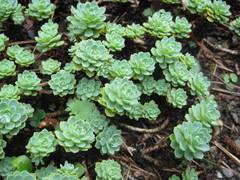
Rhodiola is a genus of about 60 succulent perennials in the family Crassulaceae, native to cold, mountainous, and arctic regions of the Northern Hemisphere, with Rhodiola rosea the most familiar. Plants grow from a thick, branched rootstock that smells of roses when cut, sending up clustered, unbranched stems 2-16 inches (5-40 cm) tall. The stems are clothed in fleshy, blue-green to gray-green leaves 0.4-1.5 inch (1-4 cm) long, flattened, toothed or entire, and overlapping. Dense, flat-topped clusters of small flowers top the stems in late spring and summer, usually yellow but red, pink, or greenish in some species, with male and female flowers commonly on separate plants. Seed capsules redden as they ripen. Growth is slow, and plants form low cushions or tufts that persist for many years on cold, exposed ground. The fleshy leaves and stout rootstock store water, letting plants survive thin alpine soils and short growing seasons. In hot, humid, or wet lowland conditions the rootstock rots and plants are short-lived.
Native Range
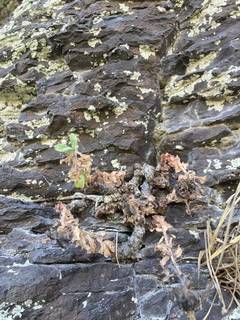
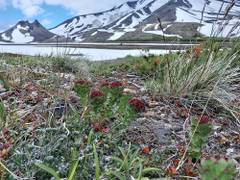
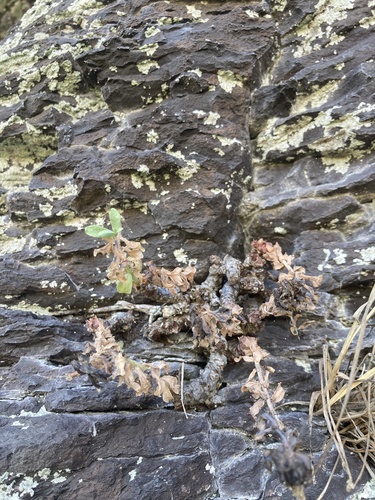
Rhodiola is native to the arctic and high mountains of the Northern Hemisphere, including the Arctic, the Alps, Pyrenees, Carpathians, Rockies, and the mountains of central and eastern Asia. Rhodiola rosea grows on cliffs, rocky slopes, screes, and tundra on well-drained, gritty soils, from sea level in the far north to high elevations farther south.Suggested Uses
Grown in rock gardens, troughs, alpine beds, gravel gardens, and green roofs, spaced 8-12 inches (20-30 cm) apart, and Rhodiola rosea is also cultivated for its medicinal rootstock. The low, drought-tolerant cushions suit sharply drained, sunny sites in cool climates. Plants are less suited to rich borders or hot, humid regions.How to Identify
Appearance
Size & Dimensions
Height2" - 1'4"
Width/Spread6" - 1'
Bloom Information
Flowers open in late spring to summer, generally May to July, lasting 2-3 weeks. Bloom comes earlier at low arctic elevations and later high in the mountains. Male plants often show brighter yellow flowers, while female plants turn reddish as the capsules ripen.
Detailed Descriptions
Flower Description
yellow, sometimes red or pinkFoliage Description
blue-green to gray-greenGrowing Conditions
Sun Requirements
Requires 5-9 hours of direct sunlight daily
• Full Sun: 6+ hours of direct sunlight
• Partial Shade: 3-6 hours of direct sunlight
• Full Shade: Less than 3 hours of direct sunlight
Care & Maintenance
Care Guide
Plants grow in full sun to light shade on lean, gritty, sharply drained soil and tolerate cold, wind, and poor ground. Water sparingly; the fleshy roots rot in rich, wet, or humid conditions, which is the main cause of failure in lowland gardens. Cool summers and cold winters suit the plants, and they struggle in hot, muggy climates. Established plants need little feeding and resent disturbance once settled. Division of the rootstock in spring or autumn renews clumps and starts new plants. Few pests trouble them, though aphids and root rot can appear in soft, crowded growth.Pruning
Cut spent flowering stems back after bloom, and clear dead top growth after it dies down in autumn. No routine pruning is needed beyond removing faded stems. Dividing the rootstock every few years renews old clumps.Container Growing
Suitable for container growing
Minimum container size: 1 gallons