Rhodiola, Genus, rosea, Species,
- Genus & species
roseroot
Arctic and mountain regions of the Northern Hemisphere
Overview
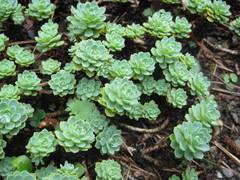
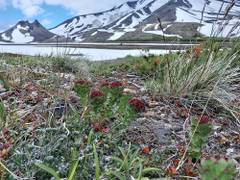
Rhodiola rosea is a succulent perennial growing from a thick, branched rootstock, forming clumps of unbranched stems 4-14 inches (10-35 cm) tall. Stems are densely clothed in fleshy, flattened, grey-green leaves 0.4-1.4 inches (1-3.5 cm) long, with toothed margins toward the tip. Plants are usually either male or female, each carrying dense terminal clusters of small star-shaped flowers in late spring and early summer; male flowers are yellow, while female flowers are yellow-green ageing to red or purplish. The cut rootstock has a scent resembling roses, which gives the plant its name. Seed forms in small erect follicles that ripen reddish in late summer. The whole plant dies back to the rootstock in autumn and regrows the following spring. It grows on cliffs, rocky slopes, and sea cliffs in cold northern and mountain regions, where it tolerates thin soils, wind, and frost but not prolonged heat or waterlogging.
Native Range
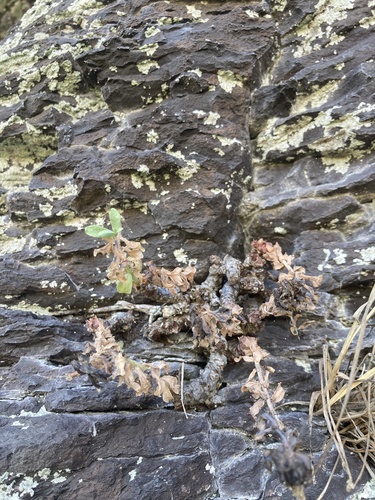
Native to cold temperate and arctic regions of the Northern Hemisphere, including the mountains of Europe and Asia, the Arctic, and parts of northern and montane North America. Grows on rock ledges, cliffs, scree, and coastal cliffs, generally on thin, gritty soils from sea level in the far north to about 7,200 feet (2,200 m) in mountains.Suggested Uses
Grown in rock gardens, alpine troughs, gravel gardens, and green roofs where drainage is sharp and summers are cool. The rootstock has a long record of use in northern and Asian herbal traditions. Not suited to rich borders or wet ground.How to Identify
Appearance
Size & Dimensions
Height4" - 1'2"
Width/Spread6" - 1'
Bloom Information
Flowers in late spring and early summer, from May to July depending on elevation and latitude. The small star-shaped flowers are pollinated by flies and other insects. Female plants form erect reddish seed follicles that ripen in late summer, while male plants set no seed.
Detailed Descriptions
Flower Description
yellow to redFoliage Description
grey-greenGrowing Conditions
Sun Requirements
Requires 6-12 hours of direct sunlight daily
• Full Sun: 6+ hours of direct sunlight
• Partial Shade: 3-6 hours of direct sunlight
• Full Shade: Less than 3 hours of direct sunlight
Care & Maintenance
Care Guide
Grows in full sun to light shade on sharp-draining, gritty or rocky soils of low to moderate fertility, and withstands severe cold and exposure. Establishes from seed sown cold in autumn or from divisions of the rootstock in spring. Tolerates drought once rooted, drawing on water stored in its fleshy leaves and rootstock, and rots in rich, wet, or poorly drained ground. Summer heat and humidity shorten its life in lowland gardens. It needs no feeding on suitable lean soils. Crown and root rot are the main problems in heavy or waterlogged soil.Pruning
Dead stems can be cut back after they die down in autumn or left until spring, and removal does not affect the rootstock. Divisions of the rootstock can be lifted and replanted in spring to increase plants. No other pruning is involved.Pruning Schedule
Prune: October–November
fall
Container Growing
Suitable for container growing