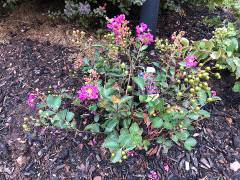
Punica, Genus,
- Genus
Pomegranate
From Iran through the Himalayas to northern India; cultivated since antiquity across the Mediterranean, Middle East, and Central Asia where the genus reaches reliable fruit production; over 5000 years of cultivation history
Overview
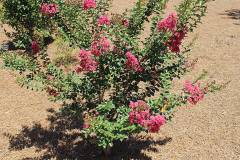
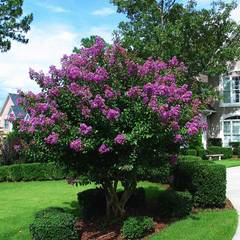
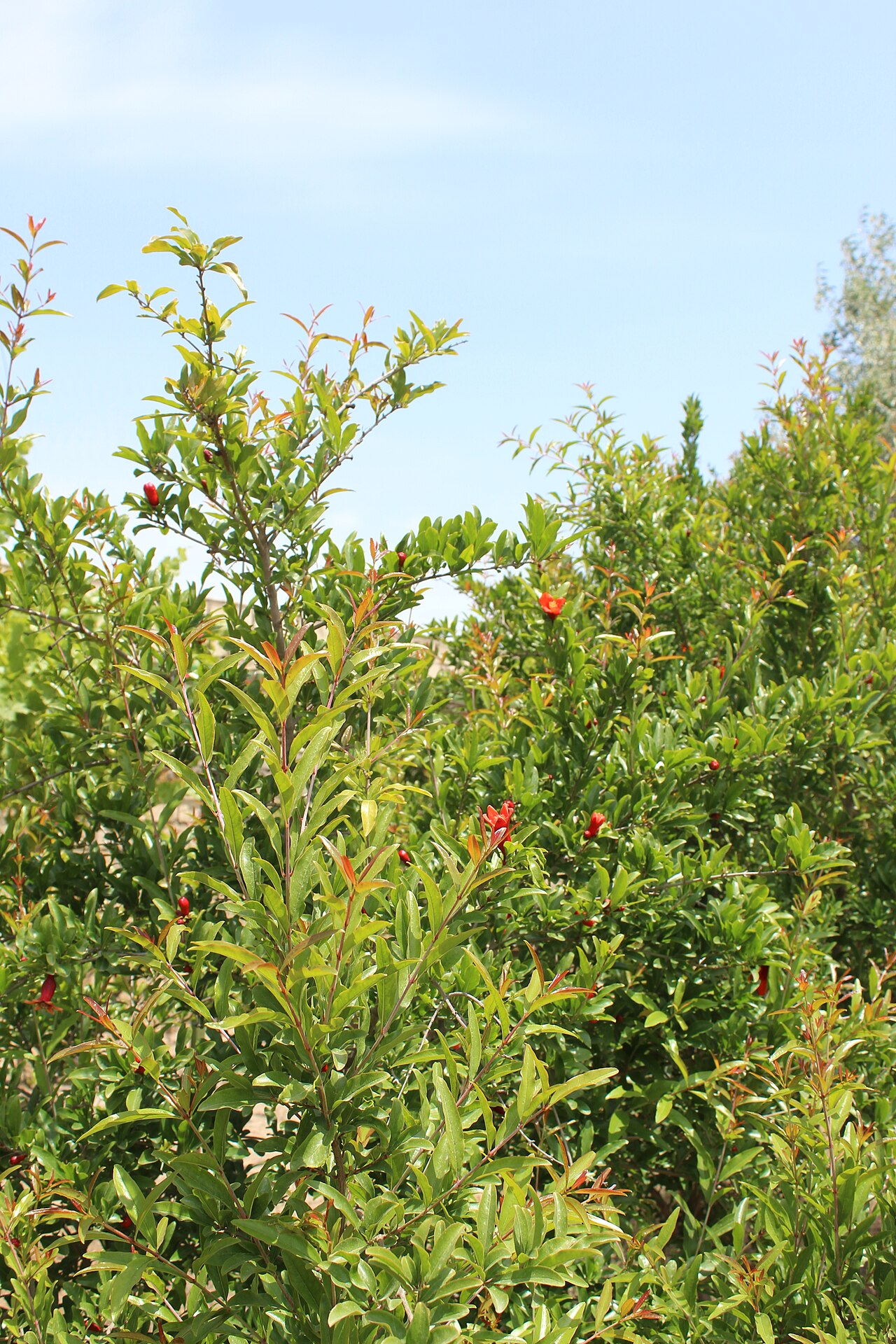
Punica (pomegranate) is a genus of deciduous shrubs-to-small-trees reaching 10–20 feet (3–6 m) tall with a spread of 8–15 feet (2.4–4.6 m) and a rounded multi-stemmed habit. Punica granatum is the commonly cultivated species and supplies nearly all commercial plantings in the nursery trade. Glossy oblong-to-lanceolate leaves run 1–3 inches (2.5–8 cm) long, emerge bronze-red in spring, mature to bright glossy green through the growing season, and turn yellow in autumn. Funnel-shaped flowers 1–2 inches (2.5–5 cm) wide carry crinkled waxy petals—orange-red in the species type—and a thick fleshy calyx that runs the characteristic feature of the genus and gives the later fruit its crown of sepal remnants. Bloom runs June through September across a long continuous window. The characteristic leathery-skinned fruit 2–5 inches (5–13 cm) in diameter runs reddish-brown to deep red and contains hundreds of ruby-red arils (seed-bearing juice sacs) that are the commercial and culinary feature of the genus. Growth rate runs moderate. Hardy to zone 7. The genus has been in cultivation for over 5,000 years. Fruit production requires long hot summers and runs unreliable in cool-summer climates.
Native Range
Punica granatum is native to a region ranging from Iran through the Himalayas to northern India. The genus has been in cultivation since antiquity across the Mediterranean basin, the Middle East, and Central Asia, where the hot summer climates support reliable fruit development. The dry summer-heat native ecology translates in garden cultivation to drought tolerance, full-sun exposure requirement, and the fruit-development dependence on sustained summer heat that limits commercial fruit production in cool-summer climates.Suggested Uses
Planted as a specimen shrub or small tree, in shrub borders, or as an edible-landscape component at 8–12 foot (2.4–3.7 m) spacing in zone-7-and-warmer gardens. Orange-red crinkled flowers carry the June-through-September bloom contribution across a 10-to-12-week window. Bronze-red spring leaf growth and yellow autumn foliage coloration supply seasonal color bookends. Pomegranate fruits develop in hot-summer climates and supply the harvest contribution that has driven the genus' 5,000 years of cultivation history. Container cultivation requires a minimum 10-gallon pot. Drought tolerance develops after establishment. Cold climates below zone 7 and cool-summer areas where fruit production runs unreliable are poor fits for the genus when fruit harvest is the primary goal.How to Identify
Appearance
Size & Dimensions
Height10–20 feet (3–6 m)
Width/Spread8–15 feet (2.4–4.6 m)
Height3–6 m (10–20 feet)
Width/Spread2.4–4.6 m (8–15 feet)
Bloom Information
Funnel-shaped flowers 1–2 inches (2.5–5 cm) wide carry crinkled waxy petals in orange-red (species-type color) and open continuously from June through September across a long warm-season bloom window. Fruits ripen September through November in hot-summer climates where the growing season supplies sufficient heat units. Fruit production runs unreliable in cool-summer areas where summer heat stays below the threshold required for fruit development, in which case the genus is grown primarily for its ornamental flowers and foliage rather than its commercial fruit crop.
Detailed Descriptions
Flower Description
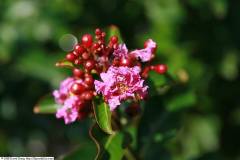
Orange-red (in the species type); funnel-shaped 1-2 inches wide with crinkled waxy petals; thick fleshy calyx that runs a characteristic feature of the genus; June-SeptemberFoliage Description
Bright glossy green at maturity; emerges bronze-red in spring; oblong to lanceolate 1-3 inches long; yellow autumn colorationGrowing Conditions
Sun Requirements
Requires 6-12 hours of direct sunlight daily
• Full Sun: 6+ hours of direct sunlight
• Partial Shade: 3-6 hours of direct sunlight
• Full Shade: Less than 3 hours of direct sunlight
Care & Maintenance
Care Guide
Full sun in well-drained soil (pH 5.5–7.5) matches the genus' cultivation needs. Hardy to zone 7 (0°F / −18°C). Long hot summers are required for reliable fruit production because the fruit development cycle runs temperature-driven and does not complete under cool summer conditions. Drought tolerance develops after establishment because the native ecology runs Mediterranean and dry-summer-adapted. The genus tolerates alkaline soils, which extends its garden range to limestone-based and chalk-based garden positions. In cool-summer climates, the genus grows primarily for its ornamental flowers and foliage contribution rather than for fruit harvest.Pruning
Pruning runs in late winter to shape the plant and to thin interior branches for air circulation. Suckers are removed to maintain a single-trunk tree form, or suckers are retained to carry the multi-stemmed shrub form. Fruits develop on short spurs of 2-to-3-year-old wood, so aggressive pruning that removes spur-bearing wood reduces the following year's fruit crop in climates where fruit production runs reliable.Pruning Schedule
Prune: January–February
winter
Container Growing
Suitable for container growing
Minimum container size: 10 gallons (38 liters)38 liters