Potentilla, Genus, recta, Species,
- Genus & species
sulfur cinquefoil
Europe and western Asia; widely naturalized across western and northeastern United States, particularly intermountain West and dry grasslands east of the Cascades
Overview
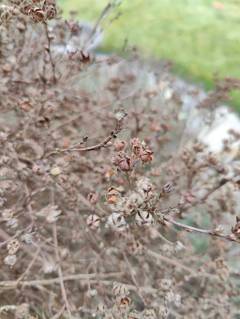
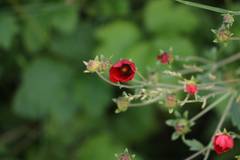
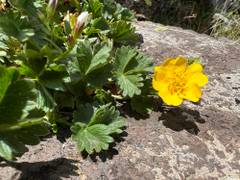
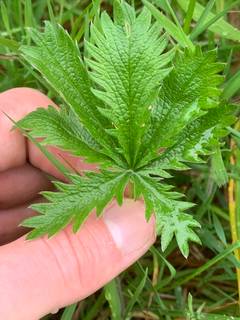
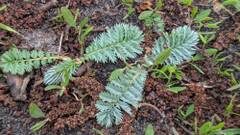
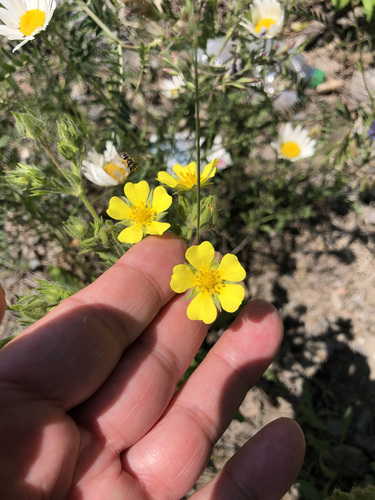
Potentilla recta is an erect taprooted perennial weed in the rose family (Rosaceae) reaching 12–30 inches (30–75 cm) tall and 12–18 inches (30–45 cm) wide. Stems are erect, stiff, branching in the upper half, densely covered in long spreading hairs along the entire stem length. Leaves are palmately compound with 5–7 oblong to oblanceolate leaflets 1–3 inches (2.5–8 cm) long, coarsely toothed, hairy on both upper and lower surfaces. Basal leaves carry longer petioles; upper stem leaves run sessile or short-petioled. Stipules are present at the petiole base — typical of Rosaceae. Flowers are pale yellow (sulfur-colored, distinctly paler than the bright yellow of most native Potentilla), 0.6–1 inch (15–25 mm) across, five-petaled, with notched (heart-shaped) petals and numerous stamens and pistils — the typical Rosaceae flower plan. Flowers are borne in loose flat-topped cymes at the stem tips. Fruit is a cluster of small dry achenes. A single plant produces 1,500–6,000 seeds over a growing season. The deep taproot reaches 3–6 feet (0.9–1.8 m) below grade, which makes hand-pulling difficult once plants are past the rosette stage. Listed as a Class B noxious weed in Washington State. The species invades dry grasslands, roadsides, and open well-drained sites, particularly in the drier regions east of the Cascades where it competes with native bunchgrass and forb communities. Not known to be toxic to pets or humans.
Native Range
Potentilla recta is native to Europe and western Asia, occurring in dry grasslands, roadsides, and open disturbed sites from sea level to approximately 7,000 feet (2,100 m) elevation. The species was introduced to North America as a garden plant in the 19th century. It is widely naturalized across the western and northeastern United States, particularly in dry grasslands and rangeland of the intermountain West, eastern Washington, and eastern Oregon, where it competes aggressively with native bunchgrass and forb communities on disturbed open sites.Suggested Uses
Used in Rosaceae identification courses for teaching the five-petaled notched-petal flower plan, the numerous stamens and pistils typical of the family, and the palmately compound leaf arrangement. The native versus invasive Potentilla distinction (pale sulfur-yellow versus bright yellow flower color, dense versus sparse stem hair, erect versus prostrate habit) is the standard identification exercise in Pacific Northwest weed-science curricula. Studied in dryland weed ecology and native grassland invasion across the intermountain West.How to Identify
Appearance
Size & Dimensions
Height1' - 2'6"
Width/Spread1' - 1'6"
Bloom Information
Loose flat-topped cymes of pale sulfur-yellow notched five-petaled flowers 0.6–1 inch (15–25 mm) across appear from May through July over a 3–4 week bloom window per stem. The species is pollinated by bees and other short-tongued generalist insects. Seeds mature 4–6 weeks after flowering. In the Pacific Northwest, peak bloom runs June. Plants are long-lived perennials that begin flowering from the second growing season onward and continue producing 1,500–6,000 seeds annually for many years from the same root crown.
Detailed Descriptions
Flower Description
Pale yellow (sulfur-colored, distinctly paler than bright yellow of native Potentilla); notched five-petaled flowers 0.6-1 inch across in loose flat-topped cymesFoliage Description
Medium green; palmately compound with 5-7 coarsely toothed oblong to oblanceolate leaflets 1-3 inches long, hairy on both surfaces; stipules present at petiole baseGrowing Conditions
Sun Requirements
Requires 6-12 hours of direct sunlight daily
• Full Sun: 6+ hours of direct sunlight
• Partial Shade: 3-6 hours of direct sunlight
• Full Shade: Less than 3 hours of direct sunlight