Potentilla, Genus, spp., Multiple species,
- Genus
- Multiple species
cinquefoils
Northern Hemisphere temperate and arctic
Overview
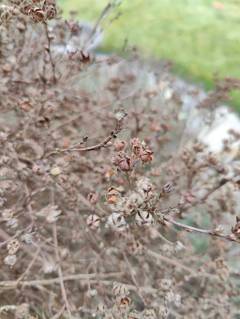
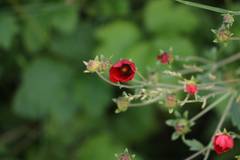
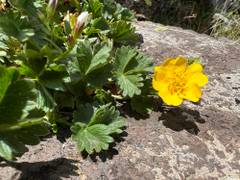
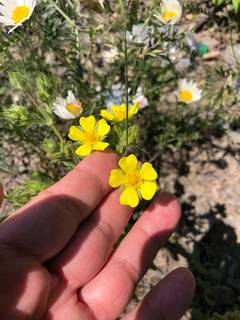
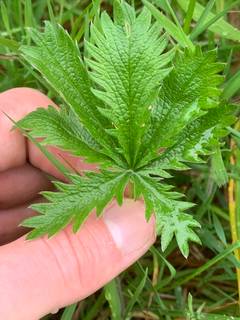
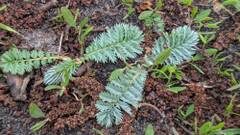
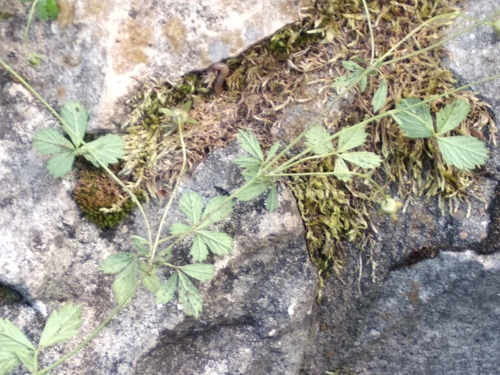
Potentilla is a genus of about 300 species of mostly herbaceous perennials, along with a few deciduous shrubs, in the rose family, Rosaceae, spread across the temperate and arctic Northern Hemisphere. Leaves are compound, divided into toothed leaflets arranged like fingers of a hand or along a central stalk, and the common name cinquefoil refers to the five leaflets of many species. The flowers are five-petaled and saucer-shaped, 1–3 cm (0.4–1.2 in) across, resembling small wild roses or strawberry flowers, most often bright yellow but also white, red, pink, or orange. The shrubby species P. fruticosa forms a dense, twiggy mound 30–120 cm (12–48 in) tall and flowers from late spring until frost. Herbaceous species range from low, mat-forming alpines to upright border plants. Plants tolerate poor, dry soil and exposure but flower less in shade or rich ground. Many spread by rhizomes or runners and a few are weedy in lawns and pastures. The long bloom of the shrubby forms is set against the small size of the individual flowers.
Native Range
The genus is widespread across the temperate and arctic Northern Hemisphere, in North America, Europe, and Asia, with a few species reaching high mountains farther south. The greatest diversity is in central Asia.Suggested Uses
Used as low hedging, edging, and filler in shrub borders, rock gardens, and on banks, with herbaceous species in borders and alpine plantings. The shrubby forms hold color on hot, dry sites through summer. The small flower size and dense twiggy growth limit their use as specimens.How to Identify
Appearance
Size & Dimensions
Height1' - 4'
Width/Spread1' - 4'
Bloom Information
Flowering spans late spring through autumn, with the shrubby species blooming continuously from May or June until frost. Herbaceous species flower for several weeks in late spring and summer. The shrubby forms flower for 12 to 16 weeks, from late spring until the first frost.
Detailed Descriptions
Flower Description
yellow, white, red, pink, or orangeFoliage Description
greenGrowing Conditions
Sun Requirements
Requires 6-10 hours of direct sunlight daily
• Full Sun: 6+ hours of direct sunlight
• Partial Shade: 3-6 hours of direct sunlight
• Full Shade: Less than 3 hours of direct sunlight
Care & Maintenance
Care Guide
Most species grow in full sun and well-drained soil, tolerating poor, dry, rocky, or sandy ground at a pH of 5.5 to 7.5. Established plants are drought-tolerant and flower less in shade or overly rich soil. Hardiness spans USDA zones 2–8 across the genus, covering cold and exposed sites. The shrubby species need little care beyond a hard trim every few years to prevent a woody, bare center. Spider mites can affect plants in hot, dry spells. Herbaceous species are divided in spring to keep them vigorous.Pruning
Shrubby species are cut back by a third in early spring to keep them dense and flowering, and an occasional hard renewal trim removes bare old wood. Herbaceous species are sheared after the main flush to tidy them. Removing spent flowers is not needed for repeat bloom in the shrubby forms.Pruning Schedule
Prune: March
early spring
Container Growing
Suitable for container growing
Minimum container size: 2 gallons