Potentilla, Genus, gracilis, Species,
- Genus & species
slender cinquefoil
Western North America: British Columbia to northern Mexico
Overview
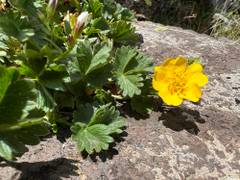
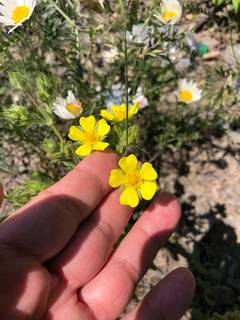
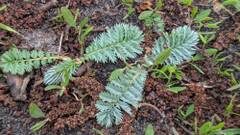
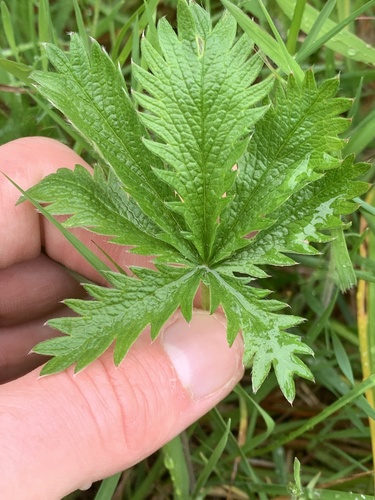
Potentilla gracilis is an erect herbaceous perennial reaching 12-30 inches (30-75 cm) tall with a basal rosette spreading 12-18 inches (30-45 cm) across. Basal leaves are palmately compound with 5-9 narrow leaflets, each 1-3 inches (2.5-7.5 cm) long, green above and silvery-hairy beneath. Stems are slender and branching above mid-height, bearing flat-topped cymes of 5-petalled yellow flowers 0.5-0.8 inches (12-20 mm) across from June through August. Each flower lasts 2-4 days, and the total bloom period extends 4-6 weeks; spent flowers fall cleanly without persistent seedheads. Plants regrow from a woody crown each spring and may persist 5-10 years on suitable sites. Roots are fibrous and shallow at 8-12 inches (20-30 cm) deep, allowing the plant to recover from light grazing or mowing. Foliage takes on bronze-purple tints in fall before dying back to the crown after first hard frost. P. gracilis hybridizes with the closely related P. arguta where ranges overlap and produces fertile intermediates that can be hard to assign to species. Lower leaves yellow and drop in extended summer drought, leaving thinner foliage in the lower third by August.
Native Range
Native to western North America from British Columbia and Alberta south through the western United States to northern California, northern New Mexico, and the Sierra Madre of Mexico. Grows in mountain meadows, sagebrush flats, open forests, and roadside grasslands at 1,500-10,000 feet (450-3,000 m) elevation.Suggested Uses
Used in meadow plantings, prairie restorations, dry borders, and pollinator gardens at 18-24 inches (45-60 cm) spacing in zones 4-9. Combines with native grasses and Eriogonum species in low-water plantings west of the 100th meridian. Self-seeds modestly in undisturbed sites, producing 5-10 volunteer seedlings per parent annually in most years.How to Identify
Appearance
Size & Dimensions
Height1' - 2'6"
Width/Spread1' - 1'6"
Bloom Information
June through August in zones 4-7 across most of the range, beginning as early as late May at low elevations in California and extending into early September in the northern Rockies. Individual flowers last 2-4 days; total bloom period at the population level extends 4-6 weeks. Cool wet summers extend the period; hot dry conditions shorten it to 3 weeks or less.
Detailed Descriptions
Foliage Description
Green above, silvery-hairy beneathGrowing Conditions
Sun Requirements
Requires 6-10 hours of direct sunlight daily
• Full Sun: 6+ hours of direct sunlight
• Partial Shade: 3-6 hours of direct sunlight
• Full Shade: Less than 3 hours of direct sunlight
Care & Maintenance
Care Guide
Water during the first growing season to establish; mature plants survive on natural rainfall in zones 4-9 within the native range. Wet poorly-drained sites cause winter crown rot, the primary mode of plant loss in heavy clay or in irrigated lawns adjacent to the planting. Cutting stems back by half after main bloom encourages a partial second flush of flowers in September in cool climates. Powdery mildew develops on lower leaves in humid conditions but is cosmetic only. Divide every 4-5 years in spring as the woody crown becomes congested; older crowns flower less and produce sparse foliage. Rich soils produce floppy stems that lodge after rain; no fertilizer is needed in the native range.Pruning
Cut spent flowering stems to the basal rosette in late summer or fall to limit self-seeding and tidy the form. Cutting back to ground level after first hard frost reduces overwintering slug habitat. Stems do not require deadheading during bloom; flowers fall cleanly and seedheads are not persistent.Pruning Schedule
Prune: October–November
fall
Container Growing
Suitable for container growing
Minimum container size: 3 gallons