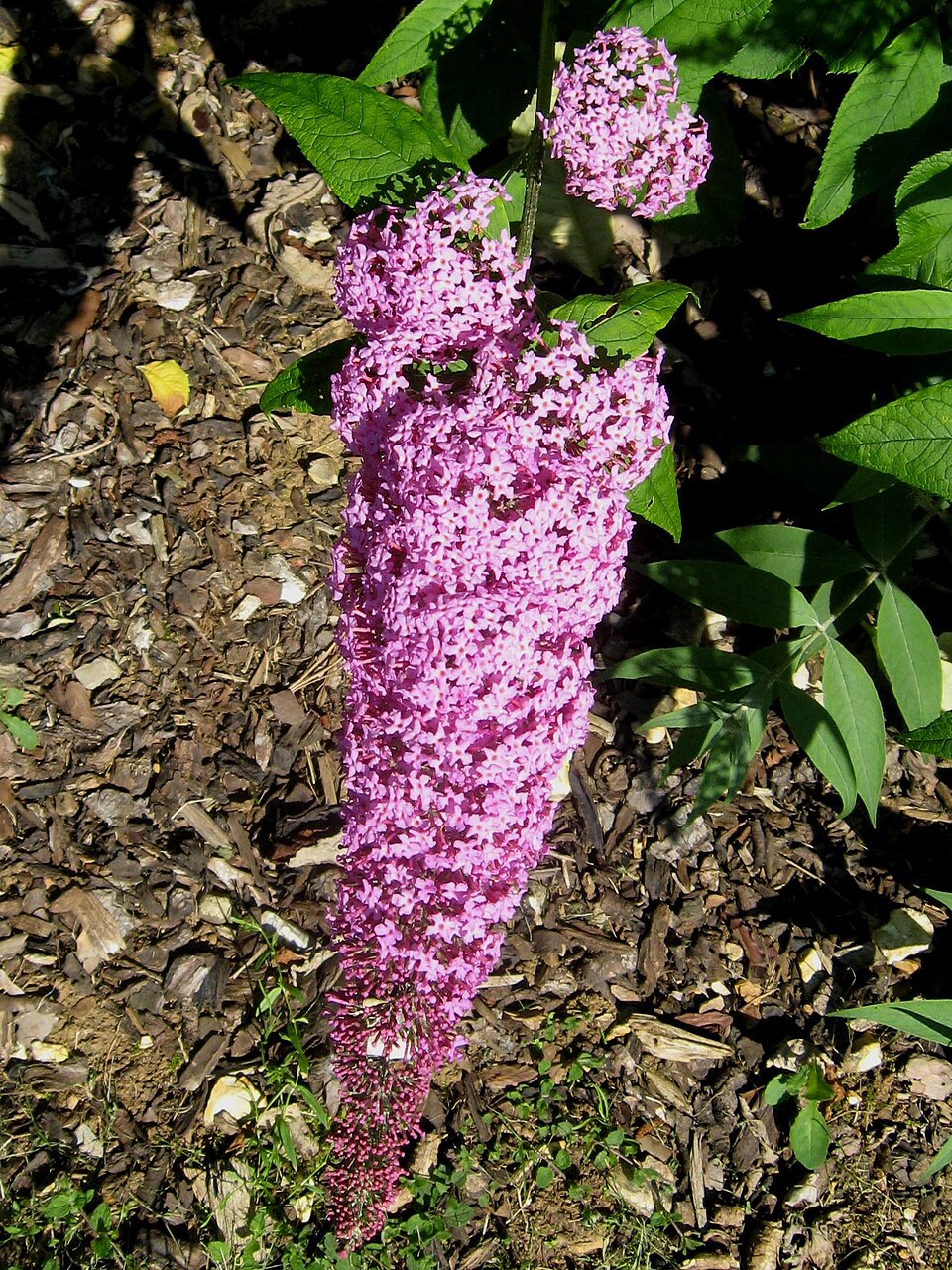
Buddleja, Genus, davidii, Species, 'Pink Delight', Cultivar,
- Genus & species
- Cultivar
pink delight butterfly bush
Overview
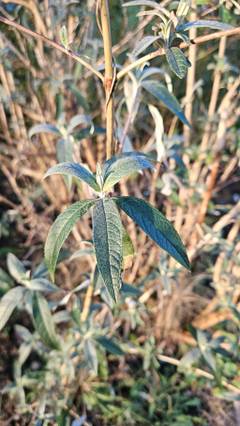
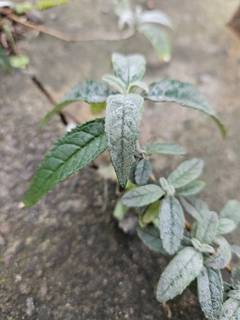
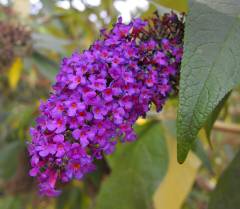
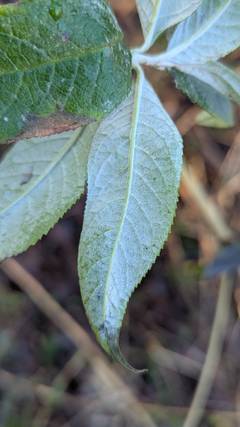
Buddleja davidii 'Pink Delight' is a deciduous shrub reaching 5-6 feet (1.5-1.8 m) tall with similar spread. Stems are arching, gray-green, and become woody at the base. Leaves are lance-shaped, 4-10 inches (10-25 cm) long, gray-green above with dense white tomentum below, and arranged oppositely on the stems. Flowers are pure pink with orange throats, fragrant, borne in dense terminal panicles 12-18 inches (30-45 cm) long from July through September in zones 5-7 and June through October in zones 8-9. Individual florets are tubular, about 0.4 inch (1 cm) long. Bloom continues for 8-12 weeks when spent panicles are removed. Foliage drops after the first hard frost with little fall color change. In zones 5-6, stems often die back to the ground and regrow from the crown each spring. Self-seeds readily, producing 50-200 viable seeds per panicle; seedlings establish in disturbed soils, gravel, and pavement cracks. B. davidii is regulated as invasive in Oregon, Washington, and several other US states under state nursery laws. Established plants tolerate drought once roots reach 12-18 inches (30-45 cm) deep, typically by the second growing season.
Native Range
The species B. davidii is native to central and western China, occurring in mountainous regions at 4,500-9,000 feet (1,400-2,700 m) elevation along stream banks, scree slopes, and disturbed forest margins. The cultivar 'Pink Delight' has no native range; it was introduced by Notcutts Nursery in the United Kingdom in 1990.Suggested Uses
Used in mixed shrub borders, pollinator plantings, and informal hedges at 5-6 foot (1.5-1.8 m) spacing. Grown in containers of at least 15 gallons (57 L) with annual root pruning; plants are typically shorter-lived in containers and are replaced after 3-4 seasons. B. davidii is regulated or banned for sale as invasive in Oregon, Washington, New Zealand, and parts of Australia and the United Kingdom, where sterile or low-fertility cultivars are required substitutes.How to Identify
Appearance
Size & Dimensions
Height5' - 6'
Width/Spread5' - 6'
Colors
Bloom Information
July through September in zones 5-7; June through October in zones 8-9. Individual panicles produce flowers for 3-4 weeks, and plants continue producing new panicles through the season when spent inflorescences are removed. Total bloom period reaches 8-12 weeks. Hot, dry conditions accelerate flower senescence.
Detailed Descriptions
Flower Description
Pink with orange throatFoliage Description
Gray-green above, white-tomentose belowGrowing Conditions
Sun Requirements
Requires 6-10 hours of direct sunlight daily
• Full Sun: 6+ hours of direct sunlight
• Partial Shade: 3-6 hours of direct sunlight
• Full Shade: Less than 3 hours of direct sunlight
Care & Maintenance
Care Guide
Water deeply once weekly during the first growing season; reduce to every 10-14 days once established. Mature plants tolerate 3-4 weeks without rain but bloom is reduced during prolonged drought. Remove spent panicles at the next pair of leaves to extend bloom by 4-6 weeks; seedheads left in place produce 50-200 viable seeds per panicle. Spider mites appear in hot, dry conditions, with foliage showing stippling and bronzing. In zones 5-6, mulch the crown with 3-4 inches (7-10 cm) of bark or leaf mulch in late fall to reduce winter dieback. Apply a balanced 10-10-10 fertilizer in early spring at 1 cup per mature plant; excess nitrogen increases leaf growth and reduces flower production.Pruning
Cut all stems back to 12-18 inches (30-45 cm) above the ground in early spring after the last hard frost, before new growth emerges. Flowers form on current-season wood, so this hard pruning does not reduce bloom volume. Deadhead spent panicles at the next pair of leaves during the bloom season. Stems left unpruned reach 8-10 feet (2.4-3 m) in zones 7-9 within 2-3 seasons and produce fewer, smaller panicles.Pruning Schedule
Prune: March–April
early spring
Container Growing
Suitable for container growing
Minimum container size: 15 gallons