Buddleja, Genus, davidii, Species, 'Black Knight', Cultivar,
- Genus & species
- Cultivar
black knight butterfly bush
Species native to central and southwestern China growing in mountainous regions, riverbanks, and disturbed open ground at moderate elevations; 'Black Knight' cultivar is a horticultural selection developed for the darkest purple flower color in the cultivar group; commercially grown across temperate Europe, North America, and other temperate regions worldwide; species classified as invasive in Pacific Northwest US, UK, New Zealand, and parts of Australia
Overview
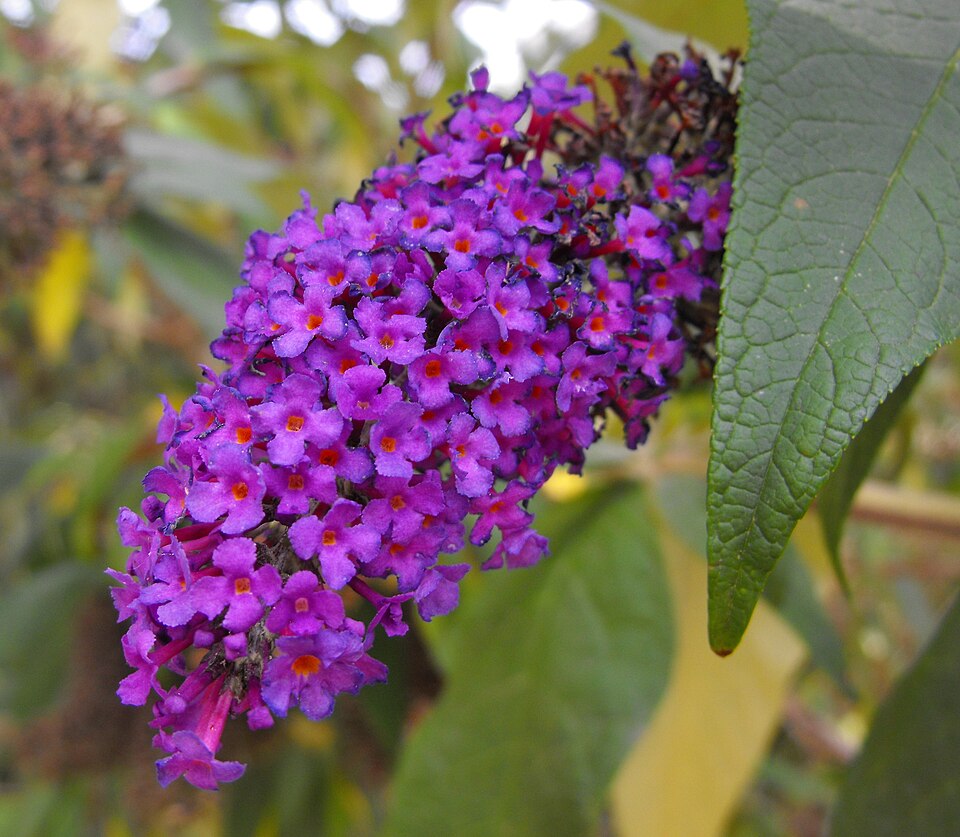
Buddleja davidii 'Black Knight' is the deep-purple butterfly bush — an old-line B. davidii cultivar in the family Scrophulariaceae carrying the darkest purple flower color among the standard butterfly bush cultivars, growing 72–120 inches (180–300 cm) tall and 48–96 inches (120–240 cm) wide as a fast-growing deciduous shrub. Long conical panicles 6–12 inches (15–30 cm) of deep dark violet-purple flowers — running near-black-purple in saturation — appear from mid-summer through fall and continue across approximately 12+ weeks of bloom with regular deadheading. Flowering occurs on new (current-season) wood, which means hard spring pruning runs as the standard cultural treatment to encourage vigorous flowering on the regrowth. Cut all stems back to 12–24 inches (30–60 cm) above ground in early spring before new growth emerges; the shrub regenerates to full size from the pruning cuts within a single growing season. The fragrant flowers attract butterflies (swallowtails, monarchs, painted ladies), hummingbirds, and bees in significant numbers — the genus's common name 'butterfly bush' references the strong butterfly-attractant trait that runs as the species's principal pollinator-garden value. Buddleja davidii runs classified as invasive in the Pacific Northwest United States, the United Kingdom, New Zealand, and parts of Australia due to prolific self-seeding from the wind-dispersed seeds — gardeners in invasive-watch regions should consult regional invasive plant lists and consider sterile cultivars in the 'Lo & Behold' breeding series that do not set viable seed. Deer-resistant. Drought-tolerant once established. Non-toxic. Hardy to USDA zones 5–9. The species was named in honor of Père Armand David, the 19th-century French Catholic missionary and naturalist who collected the type specimen during his expeditions in central China. Native to central China.
Native Range
The species Buddleja davidii is native to central and southwestern China, growing in mountainous regions, riverbanks, and disturbed open ground at moderate elevations. The 'Black Knight' cultivar is a horticultural selection developed for the darkest purple flower color in the cultivar group and is grown commercially across temperate Europe, North America, and other temperate regions worldwide.Suggested Uses
Used in mixed perennial borders, butterfly gardens, pollinator-conscious landscape designs, mass plantings spaced 48–72 inches (120–180 cm) apart, and as a focal-color anchor in mixed-cultivar butterfly-bush plantings where lighter-colored cultivars surround the dark 'Black Knight'. The cultivar runs unsuited to planting near natural areas in regions where B. davidii is classified as invasive — gardeners in such regions should select sterile 'Lo & Behold' breeding-series cultivars instead. Deer-resistant and drought-tolerant traits suit the cultivar to low-maintenance landscape positions. The strong butterfly-and-hummingbird-attractant trait gives the cultivar its principal pollinator-garden value alongside the dark flower color. Non-toxic.How to Identify
Appearance
Size & Dimensions
Height6' - 10'
Width/Spread4' - 8'
Bloom Information
Flowering from mid-summer (July) through early fall (September–October) across approximately 12+ weeks with consistent deadheading; bloom frequency drops without deadheading as the plant directs energy toward seed production rather than continued flowering. Flowering occurs on new (current-season) wood, which makes hard spring pruning beneficial rather than damaging. Plants attract butterflies, hummingbirds, bees, and hawk moths during the bloom window — the strong fragrance and the conical panicle form align with the foraging anatomy of these pollinator groups. Self-seeding occurs from wind-dispersed seed in the species, and gardeners in invasive-watch regions should deadhead before seed maturation to prevent escape into adjacent natural areas.
Detailed Descriptions
Flower Description
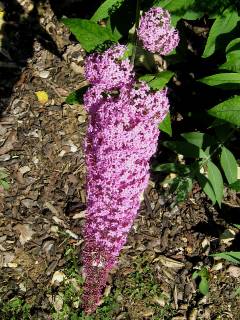
Deep dark violet-purple — the darkest purple in the B. davidii cultivar group, running near-black-purple in saturation; long conical panicles 6-12 inches; strong fragranceFoliage Description
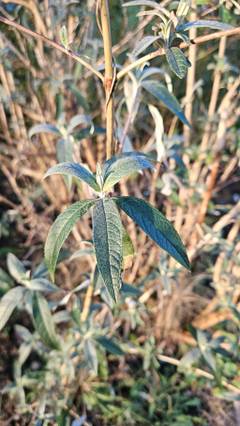
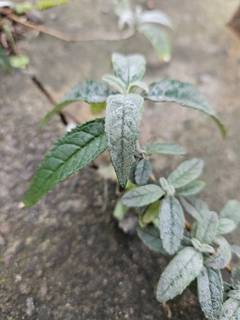
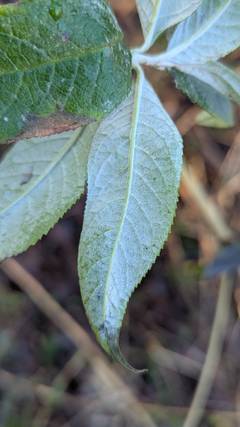
Gray-green; lance-shaped opposite leaves with silvery-white undersidesGrowing Conditions
Sun Requirements
Requires 6-12 hours of direct sunlight daily
• Full Sun: 6+ hours of direct sunlight
• Partial Shade: 3-6 hours of direct sunlight
• Full Shade: Less than 3 hours of direct sunlight
Care & Maintenance
Care Guide
Plant in full sun with at least 6 hours of direct light. Average to lean well-drained soil at pH 6.0–7.0 suits the cultivar; the species runs adapted to mountain-region soils and tolerates lean conditions where moisture-loving shrubs fail. Drought-tolerant once established (typically after the first growing season). Cut all stems back to 12–24 inches (30–60 cm) above ground in early spring before new growth emerges — the cultivar flowers on current-season wood and hard spring pruning produces the most vigorous flowering on the regrowth. Deadhead spent panicles regularly through the bloom window for continuous reblooming and to reduce self-seeding pressure. B. davidii runs classified as invasive in the Pacific Northwest United States, United Kingdom, New Zealand, and parts of Australia — gardeners in invasive-watch regions should consult regional invasive plant lists before planting and consider sterile alternatives. Deer-resistant. Non-toxic. Hardy to USDA zones 5–9.Pruning
Cut all stems back to 12–24 inches (30–60 cm) above ground in early spring before new growth emerges; the cultivar flowers on current-season wood and the hard spring pruning produces vigorous regrowth and heavy flowering. Deadhead spent panicles through the bloom window for continuous reblooming. Optionally deadhead before seed shatter in invasive-watch regions to reduce self-seeding into adjacent natural areas. The cultivar regenerates to full size from spring pruning cuts within a single growing season due to the fast-growing habit.Pruning Schedule
Prune: March
spring
Container Growing
Minimum container size: 15 gallons