Image 1 of 15
1 / 15
Plant Reference
Buddleja, Genus, globosa, Species,
- Genus & species
globe butterfly bush
Andes of Chile and Argentina; temperate rainforest margins and disturbed volcanic slopes
Overview
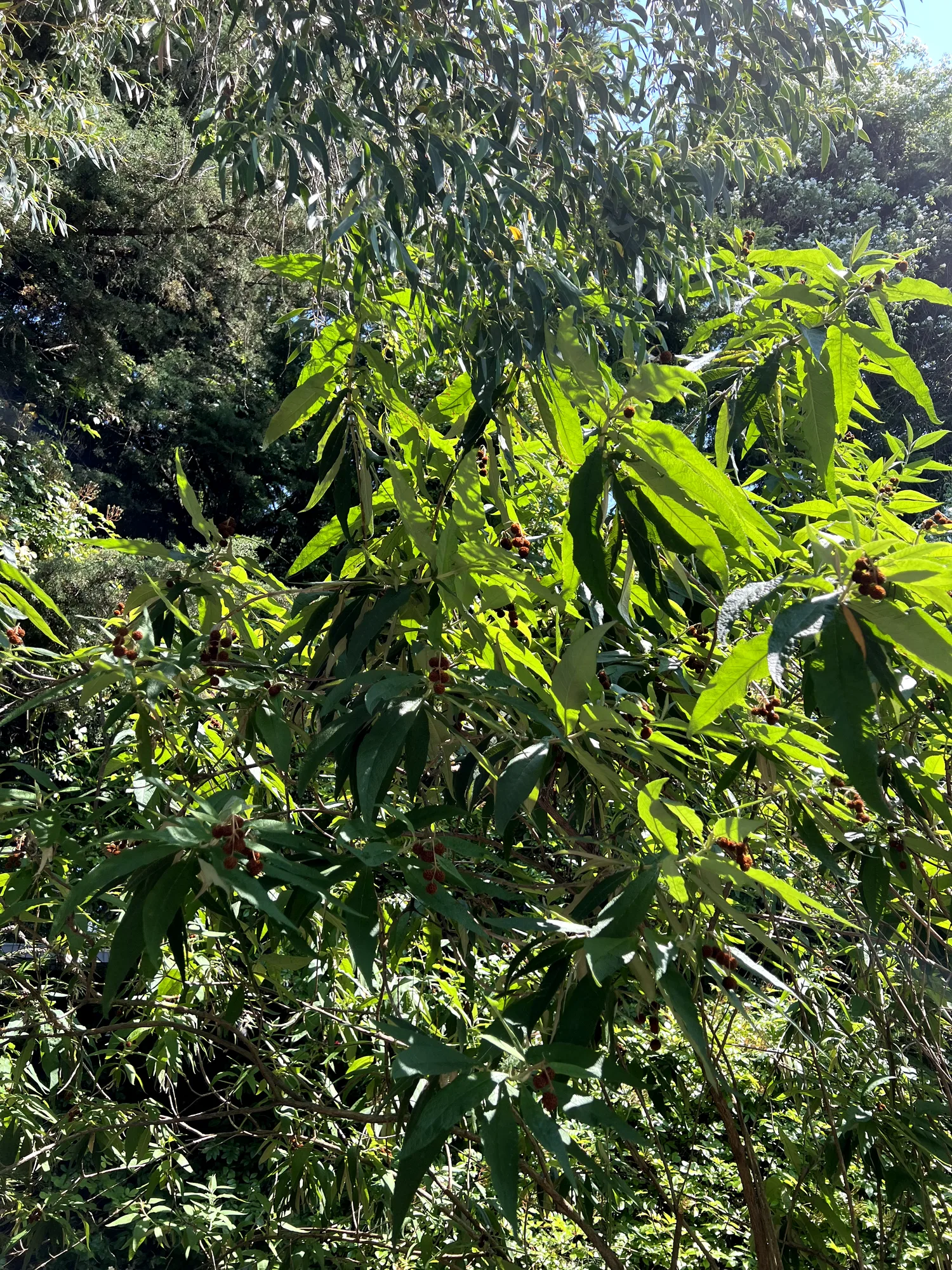
Buddleja globosa is globe butterfly bush (orange ball tree), an upright semi-evergreen shrub growing 10-15 feet (3-4.5 m) tall and 10-12 feet (3-3.6 m) wide. Vivid orange-yellow spherical flower heads 0.75-1 inch (2-2.5 cm) diameter, arranged in terminal clusters of 3-8 globes in May-June — strongly fragrant (honey-scented). Dark green leaves with strongly rugose (corrugated) surface 4-8 inches (10-20 cm), pale felted beneath. In Scrophulariaceae. Native to the Andes of Chile and Argentina. Blooms on old (previous season's) wood — the only commonly cultivated Buddleja that does this. Do not cut back hard in spring. The large size (10-15 feet / 3-4.5 m) is the primary limitation for small gardens. Limited cold hardiness — stem dieback in cold winters (zone 7) eliminates flower buds. This cold sensitivity is the primary limitation in marginal zones. Less invasive than B. davidii — sets fewer seeds. Semi-evergreen in mild climates (zones 8-9), deciduous in zone 7. Deer-resistant. Drought-tolerant once established. Non-toxic. Zones 7-9. Full sun to partial shade. Growth rate is fast.
Native Range
Native to the Andes of Chile and Argentina. Found on temperate rainforest margins and disturbed volcanic slopes.Suggested Uses
Grown as a specimen shrub or informal hedge in mild-climate gardens (zones 7-9) spaced 10-12 feet (3-3.6 m). Orange-yellow spherical flower heads. Strongly fragrant. Blooms on old wood. Large shrub — not for small gardens. Deer-resistant. Non-toxic. Zones 7-9.How to Identify
Appearance
Size & Dimensions
Height10' - 15'
Width/Spread10' - 12'
Colors
Bloom Information
Late spring to early summer (May-June). Vivid orange-yellow spherical flower heads 0.75-1 inch (2-2.5 cm) in terminal clusters of 3-8 globes. Strongly fragrant (honey-scented). 4 weeks of bloom. Bee- and butterfly-pollinated. Blooms on old wood.
Detailed Descriptions
Flower Description
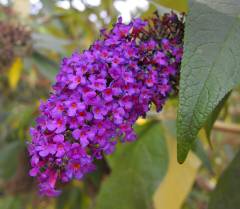
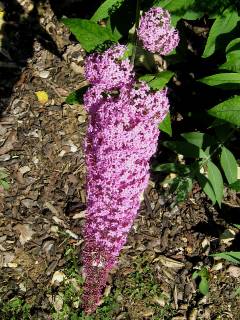
Vivid orange-yellow, in dense spherical heads 0.75-1 inch (2-2.5 cm) diameter, arranged in terminal clusters of 3-8 globesFoliage Description
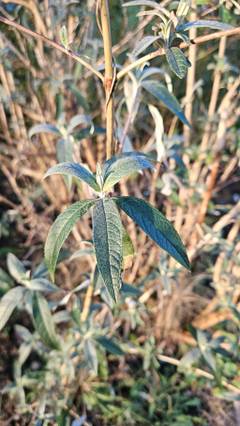
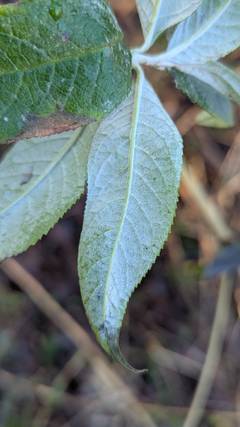
Dark green with strongly rugose (corrugated) surface above, pale felted beneath, lanceolate, 4-8 inches (10-20 cm) longGrowing Conditions
Sun Requirements
Requires 5-8 hours of direct sunlight daily
• Full Sun: 6+ hours of direct sunlight
• Partial Shade: 3-6 hours of direct sunlight
• Full Shade: Less than 3 hours of direct sunlight
Care & Maintenance
Care Guide
Full sun to partial shade (5-8 hours). Well-drained soil pH 6.0-7.5. Drought-tolerant once established. Blooms on old wood — do not cut back hard in spring. Prune lightly after flowering (June-July). Cold-sensitive — stem dieback in zone 7 winters removes flower buds. Deer-resistant. Non-toxic. Zones 7-9.Pruning
Prune lightly after flowering (June-July) to shape. Do not cut back hard in spring — blooms on old (previous season's) wood. Remove dead or winter-damaged stems in spring. The large upright form is natural.Pruning Schedule
Prune: June–July
summer