Phlox, Genus, subulata, Species, 'Emerald Pink', Cultivar,
- Genus & species
- Cultivar
emerald pink creeping phlox
Eastern and central North America (species origin); cultivar of garden origin
Overview
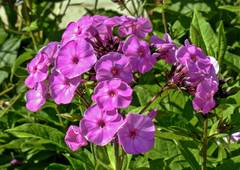
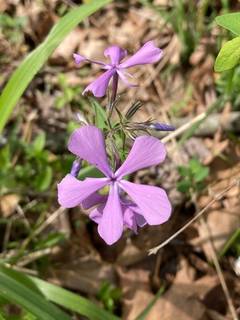
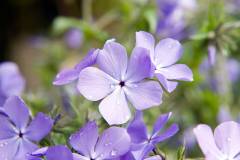
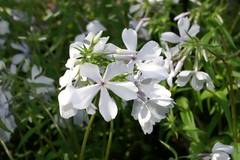
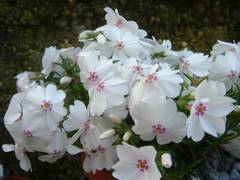
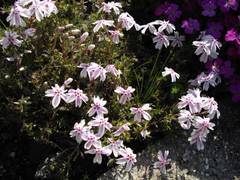
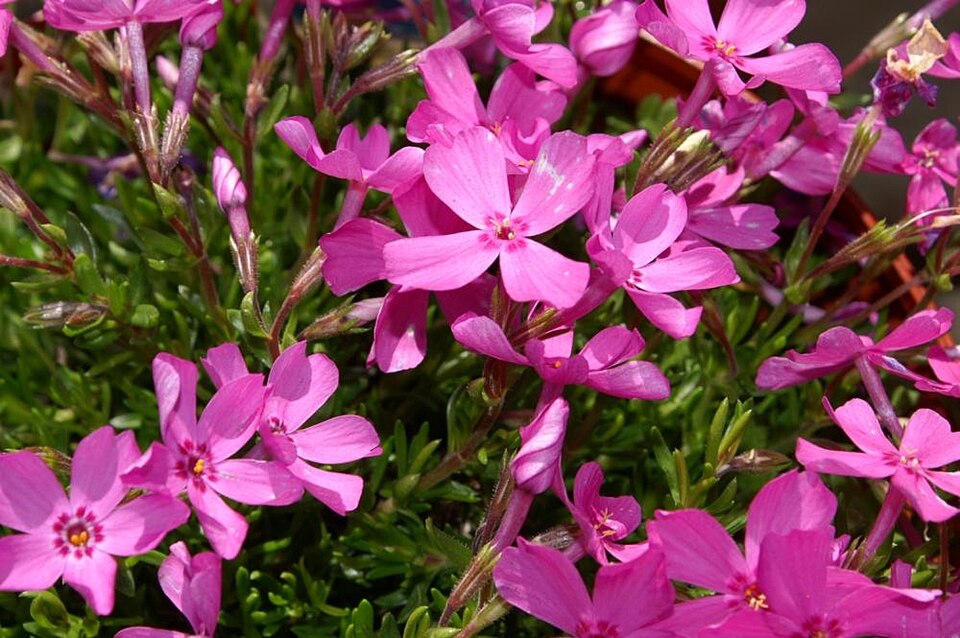
Phlox subulata 'Emerald Pink' is a low, mat-forming evergreen perennial reaching 4-6 inches (10-15 cm) tall and 18-24 inches (45-60 cm) wide at maturity. Stems are creeping and root at the nodes, building a dense ground-hugging carpet of needle-like, awl-shaped leaves 0.5-0.75 inch (12-19 mm) long. Foliage is medium green and persists through winter, sometimes bronzing in zones 4-6 during cold dry winters. Flowers are 5-petaled, 0.75 inch (2 cm) across, in clear medium pink with slightly notched petal tips and a small darker pink eye. Bloom in mid-April through May covers the foliage with a dense flower mat for 4-6 weeks in zones 5-7. Stems trail and root as they spread, expanding the mat 3-4 inches (7.5-10 cm) per year. Spider mites colonize foliage in hot dry sites and cause leaf yellowing in mid-summer. Stem rot occurs in poorly drained sites. All parts are non-toxic to humans, dogs, and cats.
Native Range
Phlox subulata is native to eastern and central North America, from southern Quebec south through the Appalachians to North Carolina and Tennessee, and west to Michigan, growing on rocky outcrops, sandy slopes, and dry open woodlands at 100-3,000 feet (30-900 m) elevation. 'Emerald Pink' is a cultivated selection of the species and does not occur in the wild.Suggested Uses
Used as a groundcover on slopes, rock walls, in rock gardens, and along path edges at 18-24 inch (45-60 cm) spacing for solid coverage within 2 years. Combines with spring bulbs and other low alpines such as Aubrieta, Sempervivum, and dwarf Iris that share its sun and drainage needs. Container culture is possible in shallow troughs and rock-garden pans of at least 1 gallon (4 L) with sharp drainage.How to Identify
Appearance
Size & Dimensions
Height4" - 6"
Width/Spread1'6" - 2'
Colors
Bloom Information
Blooms mid-April through late May in zones 5-7, late March to early May in zones 8-9, and early May through June in zones 3-4. Total bloom for the mat lasts 4-6 weeks. Sustained heat above 80°F (27°C) shortens individual flower life and ends the bloom cycle within 7-10 days. Light rebloom in early fall occurs after summer shearing in zones 5-8.
Detailed Descriptions
Flower Description
clear medium pink with darker pink eyeFoliage Description
medium green; bronze-tinged in cold winterGrowing Conditions
Sun Requirements
Requires 6-10 hours of direct sunlight daily
• Full Sun: 6+ hours of direct sunlight
• Partial Shade: 3-6 hours of direct sunlight
• Full Shade: Less than 3 hours of direct sunlight
Care & Maintenance
Care Guide
Container divisions are set with the crown at soil level in well-drained, gritty or sandy soil and at least six hours of direct sun. Watering is weekly during the first growing season; established mats tolerate moderate drought and rot in poorly drained sites. A 1-inch (2.5 cm) gravel mulch around the crown reduces stem rot in humid summers. Spider mites are the main pest in hot dry summers; powdery mildew is uncommon on this cultivar but more frequent on the species in shaded sites. Mats are renewed by lifting and dividing every 4-6 years in early fall when the center of the clump dies out.Pruning
Mats are sheared back by one-third with hedge shears or a string trimmer immediately after the main bloom flush in late May to early June; this encourages denser regrowth and a possible light fall rebloom. Dead stem segments are pulled out at any time without harm to the surrounding mat.Pruning Schedule
Prune: May–June
late spring
Container Growing
Suitable for container growing
Minimum container size: 1 gallons