Image 1 of 4
1 / 4
Plant Reference
Pieris, Genus, japonica, Species, 'Variegata', Cultivar,
- Genus & species
- Cultivar
variegated Japanese pieris
Japan (species); cultivar of garden selection
Overview
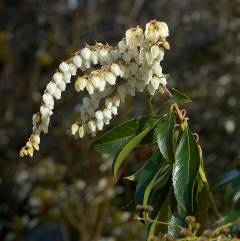
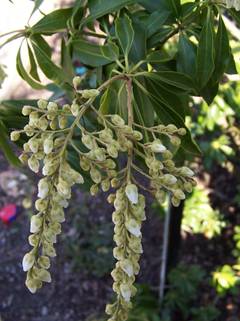
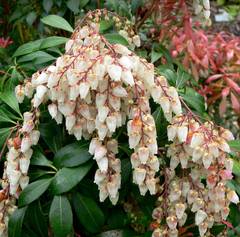
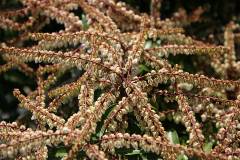
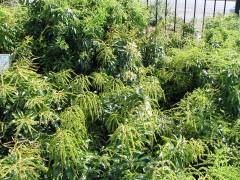
Pieris japonica 'Variegata' is the variegated Japanese pieris, an evergreen shrub growing 48–72 inches (120–180 cm) tall and wide — slower-growing and smaller at maturity than the green species type (72–120 inches / 180–300 cm) due to reduced chlorophyll in the variegated leaves. Dark green lance-shaped leaves 2–3 inches (5–7 cm) with cream-white margins — the variegation is the cultivar feature. New spring growth flushes pink on the cream margins before maturing to cream-white. White urn-shaped flowers 0.25 inch (6 mm) in pendant racemes 3–5 inches (7–13 cm) in early to mid-spring. Flower buds form in fall and are visible through winter as pendant clusters. In the heath family (Ericaceae). Remove any all-green reverted shoots promptly — the non-variegated growth is more vigorous (more chlorophyll) and will dominate if left, eventually converting the entire plant to green. Lacebug (Stephanitis takeyai) causes stippled yellowing on the leaf undersides — shade reduces lacebug damage. Acidic soil required (pH 4.5–6.0). Phytophthora root rot in heavy wet soil. All parts contain grayanotoxins — toxic to humans and animals (the honey from Pieris flowers is also toxic). Native species from Japan. Partial shade. Consistent moisture. Deer-resistant (toxic). Zones 5–8. Growth rate is slow.
Native Range
The species P. japonica is native to Japan. 'Variegata' is a cultivar selected for cream-white leaf margins.Suggested Uses
Grown in shade borders and containers in zones 5–8. Acidic soil required. The cream-white-margined foliage with pink spring flush is the cultivar feature. Remove reverted green shoots. All parts toxic. Deer-resistant.How to Identify
Appearance
Size & Dimensions
Height4' - 6'
Width/Spread4' - 6'
Bloom Information
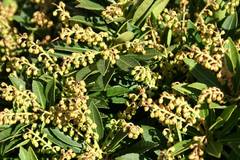
Early to mid-spring (March–April), lasting 2–3 weeks. White urn-shaped flowers in pendant racemes. Flower buds visible through winter. The variegated foliage with pink-flushed new growth is the year-round feature.
Detailed Descriptions
Flower Description
White, urn-shaped, 0.25 inch (6 mm), in pendant racemes 3-5 inches (7-13 cm)Foliage Description
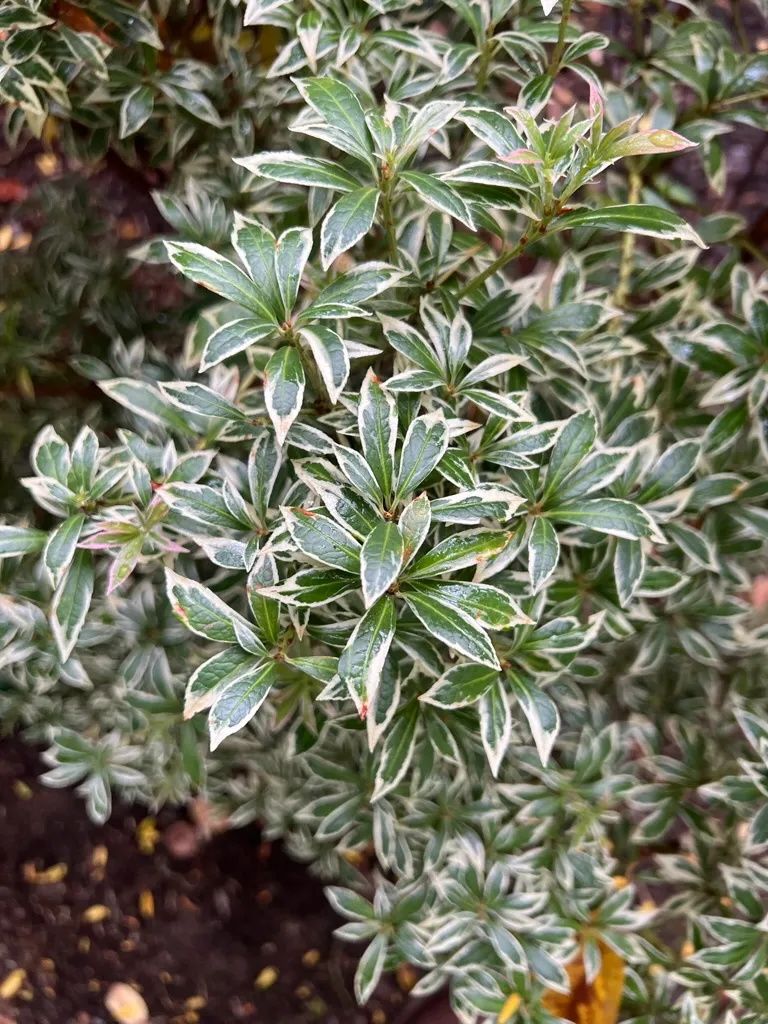
Dark green with cream-white margins; new growth flushed pink; lance-shaped, 2-3 inches (5-7 cm)Growing Conditions
Sun Requirements
Requires 3-6 hours of direct sunlight daily
• Full Sun: 6+ hours of direct sunlight
• Partial Shade: 3-6 hours of direct sunlight
• Full Shade: Less than 3 hours of direct sunlight
Care & Maintenance
Care Guide
Partial shade. Acidic soil pH 4.5–6.0. Sharp drainage — Phytophthora root rot in wet soil. Remove all-green reverted shoots promptly. Lacebug in warm exposed sites — shade reduces damage. All parts toxic (grayanotoxins). Consistent moisture. Zones 5–8.Pruning
Deadhead spent flower racemes after bloom. Remove all-green reverted shoots immediately (they will dominate). Prune for shape after flowering in spring. Tolerates moderate renovation pruning.Pruning Schedule
Prune: May
spring
Container Growing
Suitable for container growing
Minimum container size: 10 gallons