Pieris, Genus, spp., Multiple species,
- Genus
- Multiple species
andromedas
Eastern Asia, eastern United States, and Cuba
Overview
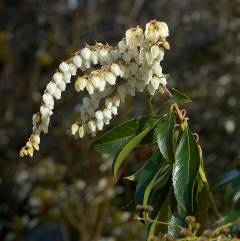
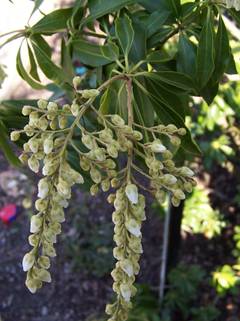
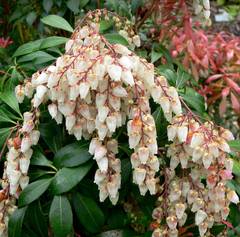
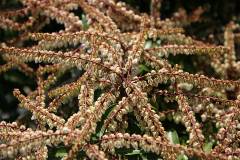
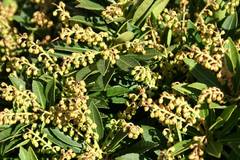
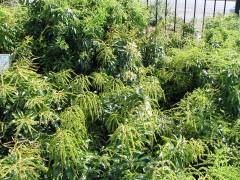
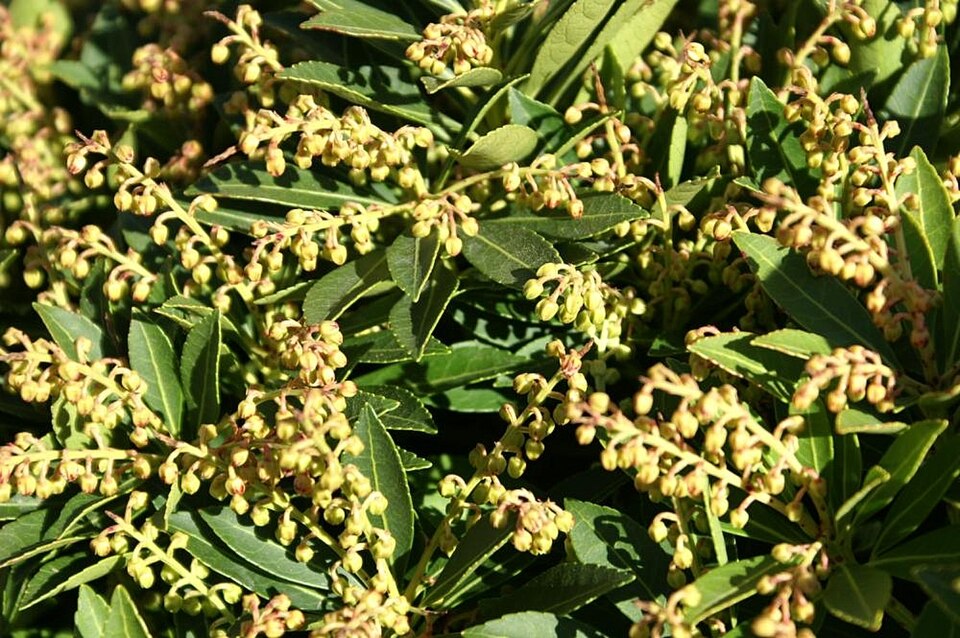
Pieris is a genus of about seven species of evergreen shrubs and small trees in the heath family Ericaceae, native to eastern Asia, the eastern United States, and Cuba. Plants form dense, rounded to upright shrubs mostly 2-12 ft (0.6-3.7 m) tall, with leathery, glossy, lance-shaped leaves 1.5-4 in (4-10 cm) long arranged in whorls along the stems. Many species and cultivars produce brightly coloured new growth in red, bronze, or pink that matures to deep green. From late winter into spring the shrubs carry drooping or upright panicles of small, urn-shaped flowers, usually white and sometimes pink or red, resembling those of lily-of-the-valley. The flower buds form in autumn and stay visible through winter as reddish strings before opening. The genus grows naturally in moist, acid woodland and on mountain slopes, in dappled shade with reliable moisture and free drainage. All parts of Pieris contain grayanotoxins and are toxic to pets and humans if eaten. P. japonica and its many cultivars are the forms grown most often as ornamentals for evergreen foliage and early bloom.
Native Range
The genus is native to eastern and southern Asia, including Japan, China, and the Himalaya, with two species in the eastern United States and one in Cuba. P. japonica comes from Japan, eastern China, and Taiwan, while P. floribunda is native to the southern Appalachian Mountains.Suggested Uses
Pieris is grown in woodland gardens, shady shrub borders, foundation plantings, and large containers in acidic-soil regions, alongside rhododendrons, azaleas, and camellias. Plants are spaced 3-6 ft (0.9-1.8 m) apart depending on the cultivar. Dwarf forms suit containers and low edging.How to Identify
Appearance
Size & Dimensions
Height2' - 12'
Width/Spread2' - 8'
Bloom Information
Pieris flowers from late winter into spring, often February to April depending on climate and species. The panicles open over three to five weeks, and the developing buds give reddish interest through the preceding winter. Spent flower clusters are removed to keep the shrub tidy and direct energy into growth.
Detailed Descriptions
Flower Description
white, sometimes pink or redFoliage Description
glossy dark green, new growth red to bronzeGrowing Conditions
Sun Requirements
Requires 3-6 hours of direct sunlight daily
• Full Sun: 6+ hours of direct sunlight
• Partial Shade: 3-6 hours of direct sunlight
• Full Shade: Less than 3 hours of direct sunlight
Care & Maintenance
Care Guide
Grow Pieris in part shade in moist, humus-rich, sharply drained acidic soil with a pH of 4.5-6.0, as the genus develops chlorosis in alkaline ground. A position sheltered from strong wind and hot afternoon sun prevents scorching of the evergreen leaves. Keep the root zone cool and evenly moist with a mulch of leaf mould or bark, since the shallow roots dry out quickly. Feed in spring with a fertiliser formulated for acid-loving plants. Lace bugs, which mottle the foliage, are the main pest, particularly on plants grown in too much sun. Established shrubs need little routine care beyond mulching and watering in dry spells.Pruning
Pieris needs little pruning and forms a neat shape on its own. Spent flower clusters can be removed after bloom, and any winter-damaged or wayward shoots are cut back to a healthy bud in spring. Hard pruning into old wood is tolerated but slows the next season flowering.Pruning Schedule
Prune: April–May
late spring
Container Growing
Suitable for container growing
Minimum container size: 5 gallons