Physocarpus, Genus, opulifolius, Species,
- Genus & species
Common ninebark
Overview
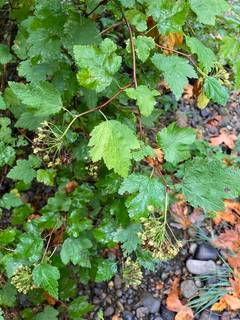
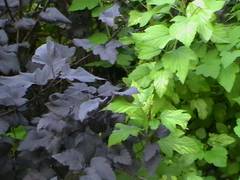
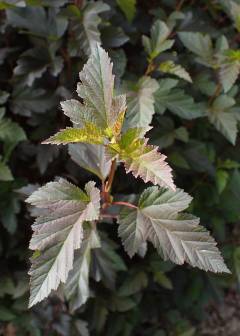
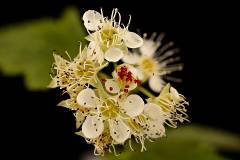
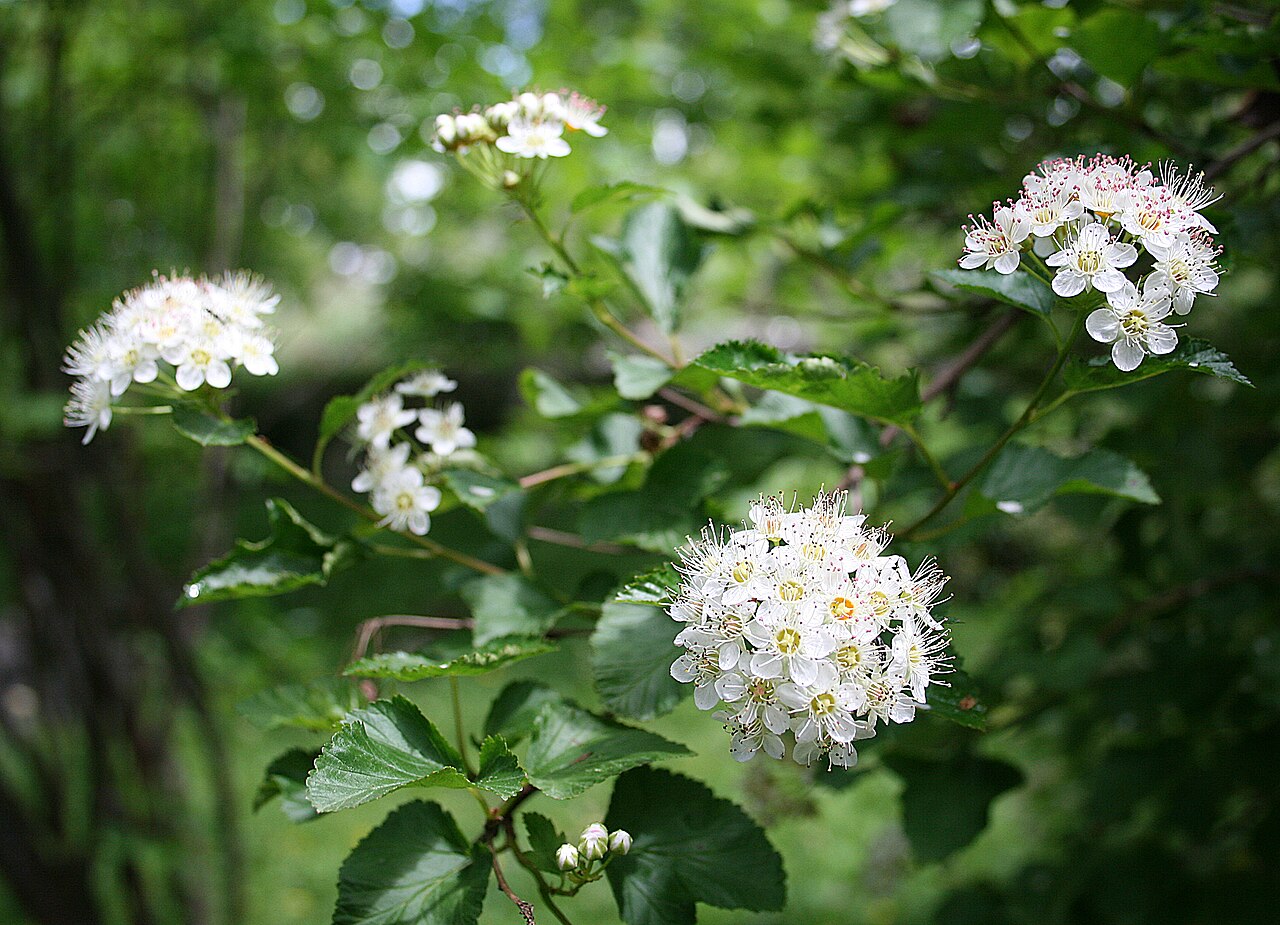
Physocarpus opulifolius is a deciduous shrub reaching 5-8 feet (1.5-2.4 m) tall and 6-10 feet (1.8-3 m) wide, built from arching stems that rise at the base and bend outward under their own weight. Bark on stems over three years old peels in thin papery strips through several layers of brown and tan. Leaves are alternate, 1-3 inches (2.5-8 cm) long, ovate with three shallow lobes and toothed margins, mid-green in the species and turning yellow-bronze in October. Flowers are white to pale pink, 0.3 inch (8 mm) across, with five petals and 20-30 protruding stamens, packed into rounded clusters 1-2 inches (2.5-5 cm) wide along the arching stems for 2-3 weeks in late May and June. Seed follicles inflate to 0.3-0.5 inch (8-13 mm), turn red then brown, and hold on the shrub into January. Growth runs 18-24 inches (45-60 cm) per year on young plants. Stems arch to the ground and root at the tips on contact with soil, and suckers extend the clump 6-12 inches (15-30 cm) per year. Powdery mildew coats the foliage from July in humid summers, heavily so on purple-leaved cultivars.
Native Range
Native to eastern and central North America from Quebec and Ontario south to Florida and west to Michigan, Arkansas, and Colorado. Grows on stream banks, rocky riverbeds, moist woodland margins, and gravel bars from sea level to 5,000 feet (1,500 m). Populations withstand seasonal flooding and periodic scouring at riverside sites.Suggested Uses
Planted at 5-6 foot (1.5-1.8 m) spacing in shrub borders, mass plantings, and informal hedging, and along stream banks and rain garden margins that flood seasonally. Roots bind soil on slopes and watercourse edges. The arching form spreads 6-10 feet (1.8-3 m) wide, which rules it out of beds narrower than 5 feet (1.5 m) without annual cutting.How to Identify
Appearance
Size & Dimensions
Height5' - 8'
Width/Spread6' - 10'
Bloom Information
Flowers for 2-3 weeks between late May and late June, opening in mid-May in zones 7-8 and mid-June in zones 2-4. Individual clusters last 7-10 days. Bloom forms on wood grown the previous season, so stems cut in late winter carry no flowers that year. Seed follicles color red 3-4 weeks after flowering and hold on the plant into January.
Detailed Descriptions
Flower Description
White to pale pinkFoliage Description
Mid-greenGrowing Conditions
Sun Requirements
Requires 6-8 hours of direct sunlight daily
• Full Sun: 6+ hours of direct sunlight
• Partial Shade: 3-6 hours of direct sunlight
• Full Shade: Less than 3 hours of direct sunlight
Care & Maintenance
Care Guide
Water weekly for the first two seasons; established plants hold through 4-6 weeks of drought and withstand soil flooded for 1-2 weeks in spring. Growth continues from pH 5.0 to 8.0 in clay, loam, and sand, with no fertilizer needed on average ground. Powdery mildew coats leaves and shoot tips from July in humid weather with still air, worst on purple-leaved cultivars grown in shade; specimens with 4-6 feet (1.2-1.8 m) of clearance around them in full sun carry less. Cutting one-third of the oldest stems to ground level each year after flowering holds growth upright and stem age below four years. Suckers extend the clump 6-12 inches (15-30 cm) per year and are cut below soil level where spread is limited. Purple and gold cultivars fade toward green in shade under 6 hours of direct sun.Pruning
One-third of the oldest stems are cut to ground level immediately after flowering, replacing the framework over three years and holding flower numbers steady. Shrubs cut hard to 6-12 inches (15-30 cm) in late winter regrow 3-5 feet (0.9-1.5 m) in one season and flower again in the second year. Light shearing produces dense twiggy growth at the stem tips and flattens the arching outline.Pruning Schedule
Prune: June–July
summer