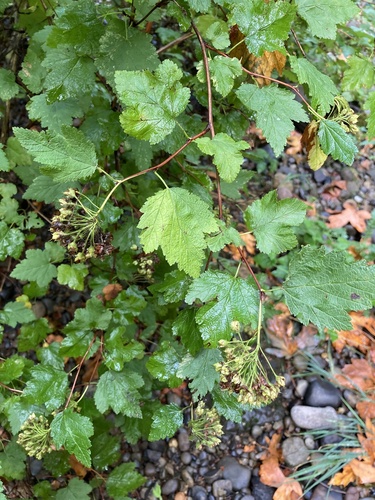
Physocarpus, Genus, spp., Multiple species,
- Genus
- Multiple species
ninebarks
Overview
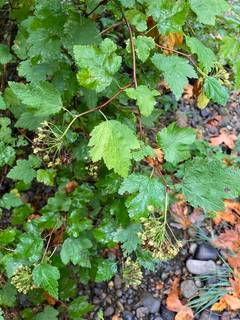
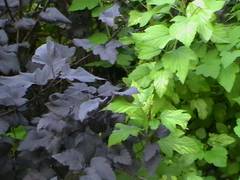
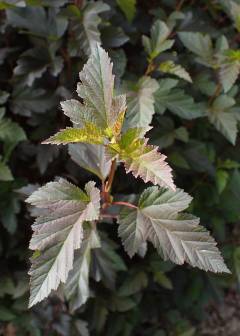
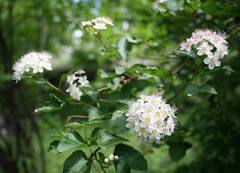
Physocarpus is a genus of about 20 species of deciduous shrubs in the rose family Rosaceae, native to North America and northeastern Asia. Plants form rounded, arching shrubs 3-10 feet (0.9-3 m) tall and wide, with three-lobed, maple-like leaves 1-3 inches (2.5-7.5 cm) long. The common name ninebark refers to the mature bark, which peels away in thin papery layers to expose reddish-brown inner bark, a feature most visible in winter. In late spring and early summer the branches carry rounded clusters of small five-petaled flowers, white or flushed pink, each with a tuft of stamens, followed by clusters of small inflated red seed capsules. Foliage of the species is green, but many garden cultivars have been selected for purple, bronze, or golden leaves. Plants are hardy, wind-tolerant, and adaptable to a wide range of soils, tolerating both wet and dry sites and growing in USDA zones 2-7 in the hardiest species. The arching stems can become dense and twiggy with age, so the shrubs benefit from occasional renewal pruning. P. opulifolius of eastern North America is grown most often and is the parent of most colored-leaf forms.
Native Range
Physocarpus is native to North America and northeastern Asia. P. opulifolius ranges across eastern and central North America, while other species occur in western North America and in China, Korea, and Japan.Suggested Uses
Grown in shrub borders, informal hedges, and mixed plantings, with the colored-leaf cultivars used for foliage contrast. The hardy, adaptable nature suits cold-climate and low-maintenance gardens, including wet or clay sites. Ninebark also works in wildlife plantings, where the flowers draw insects and the dense stems shelter birds.How to Identify
Appearance
Size & Dimensions
Height3' - 10'
Width/Spread3' - 10'
Bloom Information
Detailed Descriptions
Flower Description
white to pinkFoliage Description
green (purple, bronze, or gold in cultivars)Growing Conditions
Sun Requirements
Requires 6-10 hours of direct sunlight daily
• Full Sun: 6+ hours of direct sunlight
• Partial Shade: 3-6 hours of direct sunlight
• Full Shade: Less than 3 hours of direct sunlight
Care & Maintenance
Care Guide
Ninebarks grow in full sun to part shade in almost any moderately fertile soil, tolerating clay, wet ground, and short droughts once established. Leaf color in the purple and gold cultivars is strongest in full sun and fades toward green in shade. The hardiest species withstand USDA zones 2-7. Plants need little feeding and are prone to powdery mildew in humid sites or where air movement is poor. Renewal pruning, removing a third of the oldest stems at the base each year, keeps the shrub open and vigorous. Self-sown seedlings appear occasionally but are easy to remove.Pruning
Prune just after flowering, or in late winter where the seed capsules and bark are valued through winter. Remove up to one-third of the oldest stems at the base each year to renew the shrub and limit congestion. Hard cutting close to the ground is tolerated and produces vigorous new shoots with brighter leaf color.Container Growing
Suitable for container growing
Minimum container size: 7 gallons