Image 1 of 3
1 / 3
Plant Reference
Physocarpus, Genus, opulifolius, Species, 'Monlo', Cultivar,
- Genus & species
- Cultivar
Diabolo® ninebark
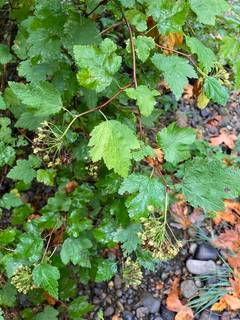
Cultivar of {P. opulifolius}, native to eastern North America from Quebec south to Georgia and west to Kansas and Colorado; found along stream banks and forest edges
Overview
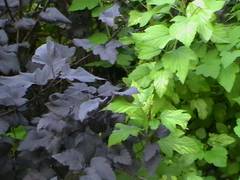
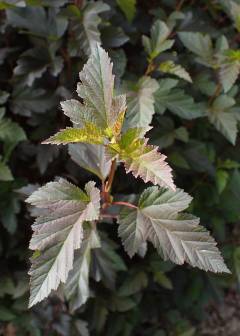
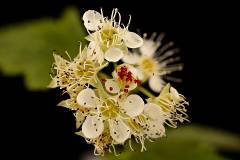
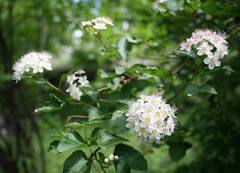
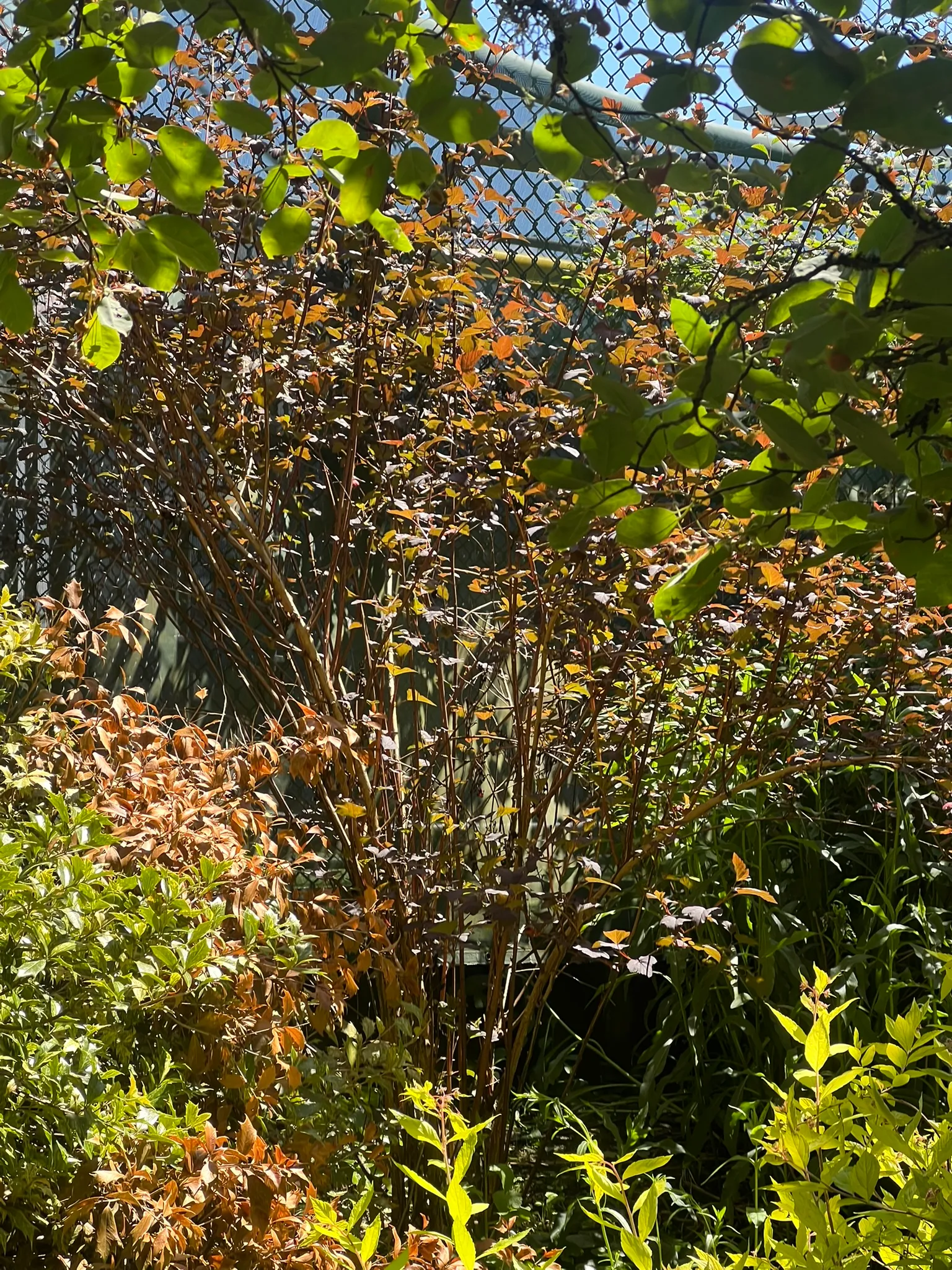
Physocarpus opulifolius 'Monlo' is Diabolo ninebark (sold as Diabolo or Diablo), a mounding deciduous shrub growing 6-9 feet (1.8-2.7 m) tall and 6-8 feet (1.8-2.4 m) wide. The species type P. opulifolius has medium green foliage; 'Monlo' is selected for deep burgundy-purple foliage that holds its color through summer in full sun. In shade the foliage fades to greenish-purple — full sun (5+ hours) is required for consistent dark coloring. Three-lobed leaves 1.5-3 inches (4-7.5 cm). Pinkish-white flowers in dense rounded corymbs 1.5-2 inches (4-5 cm) at branch tips in June. Small reddish inflated seed capsules (bladder-like) follow bloom. The bark exfoliates in papery cinnamon-tan strips on mature stems — the common name ninebark refers to this peeling bark. In Rosaceae. Native to eastern North America. Newer compact dark-foliaged cultivars ('Tiny Wine', 'Little Devil') reach only 3-5 feet (0.9-1.5 m) for smaller spaces. Powdery mildew can affect the lower interior foliage in humid conditions with poor air circulation — this is the primary disease concern. The large size (6-9 feet / 1.8-2.7 m) requires space. Deer-resistant. Drought-tolerant once established. Non-toxic. Zones 3-7. Full sun to partial shade. Growth rate is fast.
Native Range
Cultivar of P. opulifolius, native to eastern North America — from Quebec south to Georgia, west to Kansas and Colorado. Found along stream banks and forest edges.Suggested Uses
Grown as a specimen shrub, informal hedge, and in mixed borders spaced 6-8 feet (1.8-2.4 m). Burgundy-purple foliage requires full sun. Compact cultivars ('Tiny Wine', 'Little Devil') for smaller spaces. Native species. Deer-resistant. Non-toxic. Zones 3-7.How to Identify
Appearance
Size & Dimensions
Height6' - 9'
Width/Spread6' - 8'
Bloom Information
Early summer (June). Pinkish-white flowers in dense rounded corymbs 1.5-2 inches (4-5 cm) at branch tips. 3 weeks of bloom on old and new wood. Bee- and butterfly-visited. Reddish inflated seed capsules follow.
Detailed Descriptions
Flower Description
Pinkish-white, small, in dense rounded corymbs 1.5-2 inches (4-5 cm) across at branch tips; the pinkish-white flowers contrast with the dark burgundy foliageFoliage Description
Deep burgundy-purple in full sun, 3-lobed, 1.5-3 inches (4-7.5 cm) long; fades to greenish-purple in shade; the species type P. opulifolius has medium green foliageGrowing Conditions
Sun Requirements
Requires 5-10 hours of direct sunlight daily
• Full Sun: 6+ hours of direct sunlight
• Partial Shade: 3-6 hours of direct sunlight
• Full Shade: Less than 3 hours of direct sunlight
Care & Maintenance
Care Guide
Full sun to partial shade (5-10 hours — full sun required for deep burgundy-purple color; fades to greenish-purple in shade). Any well-drained soil pH 5.5-7.5 — tolerates clay. Drought-tolerant once established. Powdery mildew in humid conditions — improve air circulation by thinning interior. Prune after flowering or in late winter. Deer-resistant. Non-toxic. Zones 3-7.Pruning
Prune after flowering (June-July) or in late winter (February-March). Blooms on both old and new wood — tolerates pruning at either time. Remove 1/3 of the oldest stems at ground level annually for renewal. The exfoliating bark on mature stems is a feature — retain some older stems. Can be renovated by cutting entirely to 6 inches (15 cm) in late winter.Pruning Schedule
Prune: February–March & June–July
summerearly spring