Image 1 of 10
1 / 10
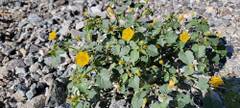
© Bruce Ackley, The Ohio State University, some rights reserved (CC-BY) · Wikimedia Commons
Physalis, Genus, longifolia, Species,
- Genus & species
long-leaved groundcherry
Overview
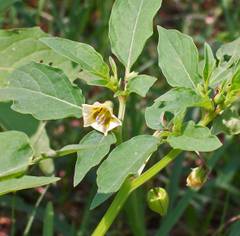
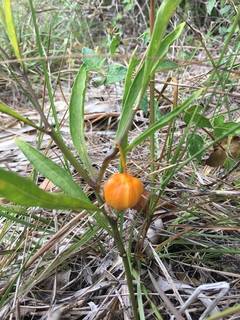
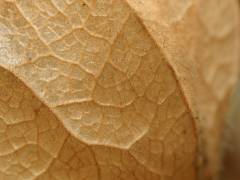
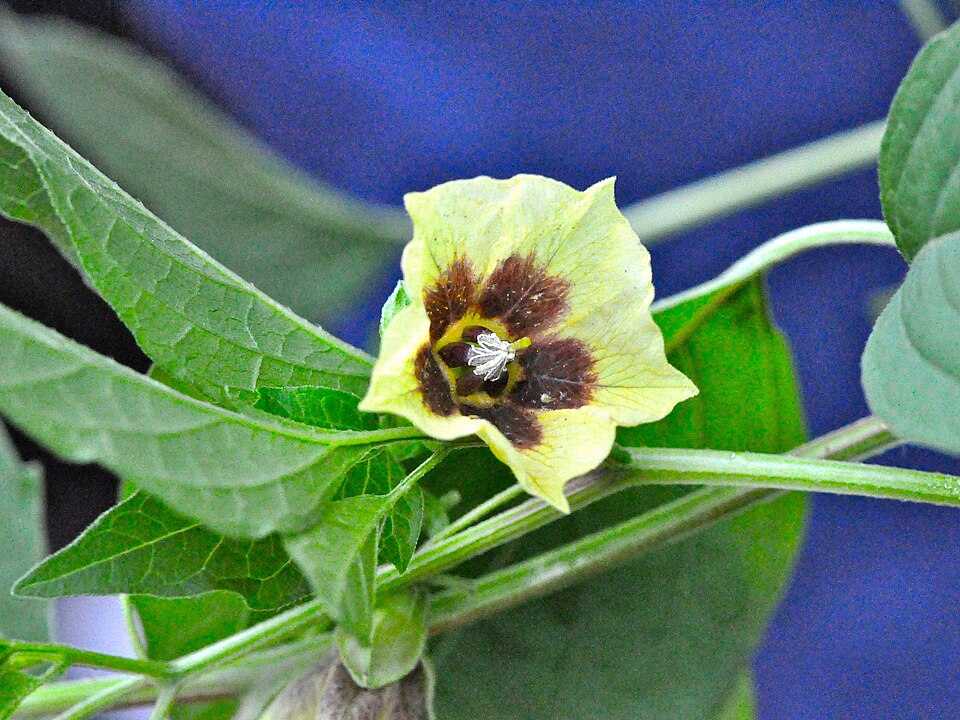
Physalis longifolia is a herbaceous perennial in the nightshade family, spreading by rhizomes to form colonies and reaching 1-3 feet (0.3-0.9 m) tall on angled, branching stems. Lance-shaped to oval leaves 2-4 inches (5-10 cm) long have smooth or slightly wavy edges and taper at both ends. Solitary nodding flowers hang from the leaf axils in summer, broadly bell-shaped, about 0.5-0.75 inch (1.3-1.9 cm) across, pale yellow with five dark purple-brown spots in the throat. As the fruit forms, the calyx enlarges into a papery, lantern-like husk that encloses a round green-to-yellow berry. The ripe berry is edible, while the unripe fruit and foliage contain toxic alkaloids. It is hardy in USDA zones 4-8 and grows on prairies, open woods, fields, and disturbed ground. The rhizomes spread persistently and the plant can become weedy in cultivated soil, which limits its use in tidy beds.
Native Range
Physalis longifolia is native to much of North America, from southern Canada through most of the United States into northern Mexico. It grows in prairies, meadows, open woodlands, stream banks, fields, and roadsides on a range of soils.Suggested Uses
Used in native plant gardens, prairie and meadow plantings, and edible landscapes for the ripe husked fruit. It also supports specialist native bees and gives cover in wild plantings.How to Identify
Appearance
Size & Dimensions
Height1' - 3'
Width/Spread1' - 3'
Bloom Information
Flowering runs from June through September. Single bell-shaped flowers hang from the leaf axils over a long season. Bees, including specialist groundcherry bees, work the flowers, and the husked berries ripen from late summer into fall.
Detailed Descriptions
Flower Description
pale yellow with purple-brown centerFoliage Description
greenGrowing Conditions
Sun Requirements
Requires 5-10 hours of direct sunlight daily
• Full Sun: 6+ hours of direct sunlight
• Partial Shade: 3-6 hours of direct sunlight
• Full Shade: Less than 3 hours of direct sunlight
Care & Maintenance
Care Guide
Grows in full sun to part shade on average to dry, well-drained soils and tolerates poor and disturbed ground. Established plants are drought tolerant and need little water through the deep, spreading root system. A soil pH of 6.0-7.5 suits the species. The rhizomes spread freely and form colonies, so a contained spot or a wild planting fits it better than a formal bed. It self-sows and resprouts from root pieces. No feeding is needed on moderately fertile soil.Pruning
No formal pruning is needed. Stems can be cut to the ground in late fall or early spring after the fruit drops. Removing spreading rhizomes at the colony edge keeps it within bounds.Pruning Schedule
Prune: March & November
fallearly spring
Container Growing
Suitable for container growing
Minimum container size: 3 gallons