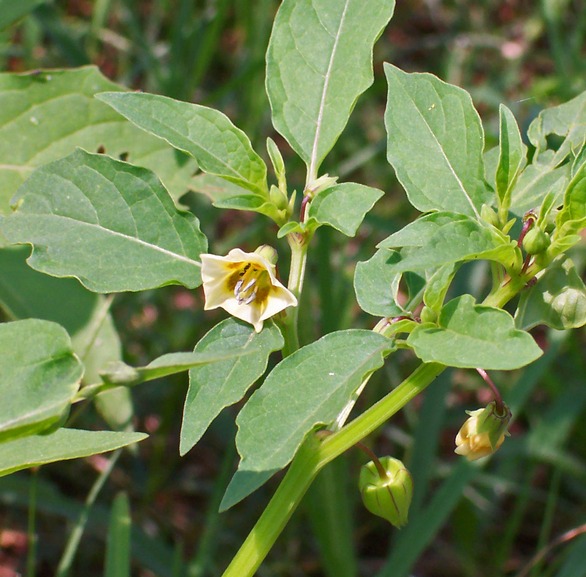
Physalis, Genus, angulata, Species,
- Genus & species
cutleaf groundcherry
SunFull Sun – Part Shade
WaterMedium
Overview
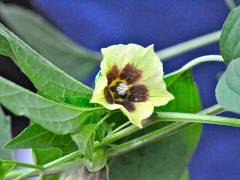
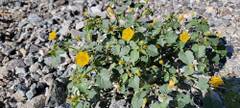
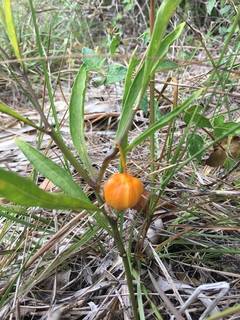
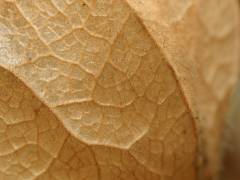
Physalis angulata is an annual reaching 12-36 inches (30-90 cm) tall, with smooth, angular, branching stems. The ovate leaves are 2-4 inches (5-10 cm) long, with toothed or wavy margins and pointed tips. Solitary, bell-shaped flowers hang from the leaf axils, 0.3-0.4 inch (8-10 mm) across, pale yellow and usually without dark center spots. After flowering the calyx enlarges into a papery, ten-ribbed husk 0.8-1.2 inches (2-3 cm) long that encloses a single round berry. The berry ripens from green to yellow inside the lantern-like husk and is edible when fully ripe, while unripe fruit and foliage contain toxic compounds. The plant grows quickly and self-seeds freely, behaving as a weed in gardens and fields. It is frost-sensitive and completes its cycle in one warm season.
Native Range
Native to the Americas, from the southern United States through Central and South America. Naturalized widely across tropical and subtropical regions worldwide, where it grows in fields, gardens, roadsides, and disturbed ground on many soil types.Suggested Uses
Grown in vegetable and edible gardens for its ripe fruit, and appearing as a volunteer weed in cultivated ground, spaced about 18-24 inches (45-60 cm) apart. Self-seeding habit suits informal edible plantings but spreads readily into nearby beds. The fruit is eaten fresh or cooked once fully ripe in many cuisines.How to Identify
Appearance
Size & Dimensions
Height1' - 3'
Width/Spread1' - 2'
Bloom Information
Flowers through the warm season, mainly summer into autumn in temperate areas and much of the year in the tropics. Flowers open over a long period as the plant keeps branching and growing. Husked fruit develops continuously, so flowers and fruit appear together for months.
Detailed Descriptions
Foliage Description
greenGrowing Conditions
Sun Requirements
Requires 6-12 hours of direct sunlight daily
• Full Sun: 6+ hours of direct sunlight
• Partial Shade: 3-6 hours of direct sunlight
• Full Shade: Less than 3 hours of direct sunlight
Water & Climate
Water Needs
Care & Maintenance
Care Guide
Grows in full sun to part shade in warm conditions on most well-drained soils. Water during dry spells for steady growth and fruiting; the plant wilts quickly in drought. It self-seeds heavily and can become weedy, returning from dropped fruit each year. Flea beetles and other leaf-feeding insects common to the nightshade family may chew the foliage. Unripe fruit, leaves, and stems contain solanine-type compounds and are toxic if eaten. The ripe berries are edible and are gathered in many regions.Pruning
No routine pruning is needed. Removing developing husks before they drop limits self-seeding in following seasons. As an annual the plant dies with the first frost and can be cleared at the end of the season.Container Growing
Suitable for container growing
Minimum container size: 3 gallons
Toxicity Warning
Toxic to pets and humansPlanting Guide
Planting Methods & Timing
Planting Method
direct sow
Direct Sow Timing
Sow after the last frost when soil is warm
Days to Maturity
70–100 days
Plant Spacing
18 inches