Phyllostachys, Genus, spp., Multiple species,
- Genus
- Multiple species
running bamboo
Overview
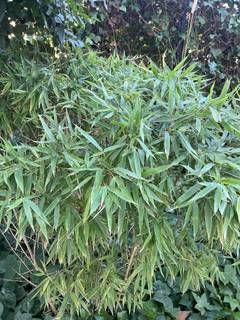
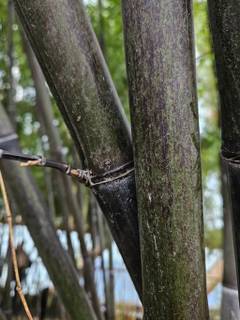
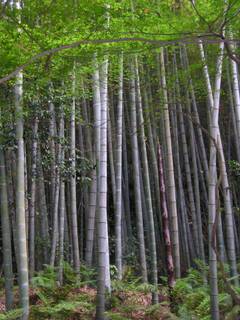
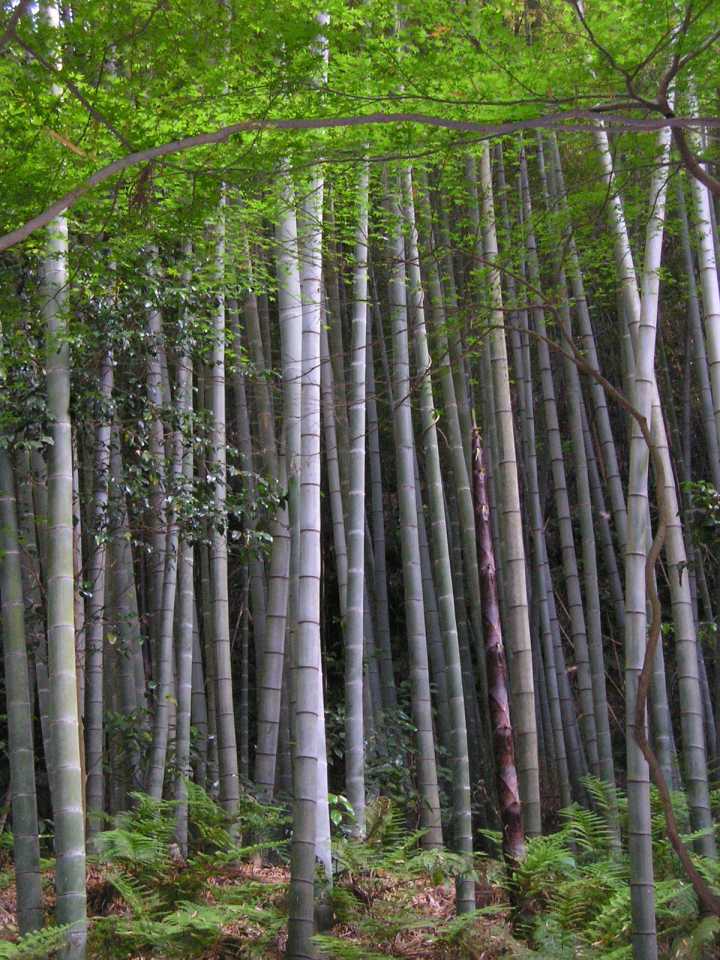
Phyllostachys is a genus of running bamboos in the grass family, native to China and nearby East Asia. Plants form groves of hollow, woody culms 10-75 feet (3-23 m) tall and 0.5-6 inches (1-15 cm) in diameter, with the largest culms in P. edulis. The genus is identified by a flattened groove (sulcus) running up one side of each internode above the branch nodes. New culms emerge in spring at full diameter and reach near-final height within about two months, then harden over the following years. Leaves are lance-shaped, 2-7 inches (5-18 cm) long, evergreen in mild climates and shedding in hard cold. Culm color ranges from green to yellow or black depending on species, as in the black culms of P. nigra. Plants spread by long underground rhizomes that run several feet per year, forming new culms at a distance from the parent and producing dense stands or, without a barrier, escaping into surrounding ground. Flowering is rare, occurring at intervals of several decades, after which flowering culms often die. The running habit and cold hardiness separate Phyllostachys from clumping tropical bamboos.
Native Range
The genus Phyllostachys is native to China, with a few species in Vietnam and the Himalayas, and is naturalized in Japan, where many ornamental forms originated. Plants grow in warm-temperate to subtropical forests, valleys, and hillsides with moist, fertile soil. Several species, notably P. aurea and P. nigra, are widely planted and have naturalized in the southeastern United States, parts of Europe, and other temperate regions.Suggested Uses
Grown as a screen, hedge, grove, or specimen, and for edible spring shoots in some species, spaced 3-10 feet (1-3 m) apart depending on size. Used where a tall evergreen screen is wanted quickly, with a barrier to contain the rhizomes. P. nigra and other colored-culm forms are grown for culm color in larger gardens.How to Identify
Appearance
Size & Dimensions
Height10' - 75'
Width/Spread3' - 15'
Bloom Information
Flowering is rare and irregular, occurring at intervals of several decades, with some species flowering across the world at nearly the same time. After flowering, culms commonly weaken and die, and groves may take years to recover from seed or rhizome. The genus is grown for its culms and foliage rather than its flowers. Plants may grow for a human lifetime without blooming.
Detailed Descriptions
Foliage Description
greenGrowing Conditions
Sun Requirements
Requires 4-10 hours of direct sunlight daily
• Full Sun: 6+ hours of direct sunlight
• Partial Shade: 3-6 hours of direct sunlight
• Full Shade: Less than 3 hours of direct sunlight
Care & Maintenance
Care Guide
Grows in full sun to part shade in deep, moist, fertile, well-drained soil; most species are hardy into zones 6-7, with leaves browning in severe cold and culms surviving lower temperatures. The running rhizomes spread several feet per year and call for a root barrier 24-36 inches (60-90 cm) deep or annual rhizome cutting to contain plants. New shoots appear in spring and are brittle until they leaf out. Plants benefit from steady moisture and nitrogen during establishment. Once established, the genus is drought-tolerant but produces smaller culms under dry conditions. Untended groves expand steadily into lawns, beds, and neighboring property.Pruning
Thin older and weaker culms at ground level in spring to keep an open grove and let light reach new shoots. Cut unwanted rhizomes or shoots as they appear beyond the intended area; severing rhizomes with a spade in summer limits spread. Lower branches can be removed to expose colored culms. Flowering culms are cut out once spent.Container Growing
Suitable for container growing
Minimum container size: 15 gallons