Phlox, Genus, stolonifera, Species,
- Genus & species
Creeping phlox
Appalachian region of eastern North America
Overview
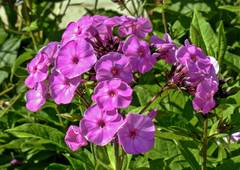
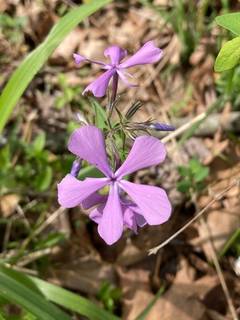
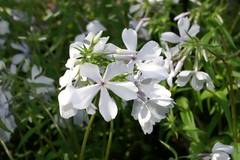
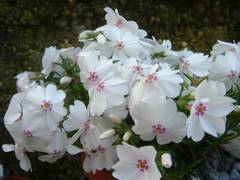
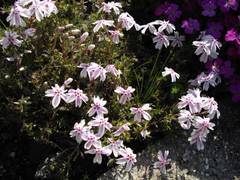
Phlox stolonifera is a stoloniferous perennial forming a mat 2-4 inches (5-10 cm) deep that widens 6-12 inches (15-30 cm) a year, with flowering stems rising to 6-12 inches (15-30 cm) in spring. Creeping shoots root at the nodes and carry paired obovate to spoon-shaped leaves 0.5-1.5 inches (13-38 mm) long, dark green, sparsely hairy, and held through winter in zones 6-8. Flowering stems are upright, with two or three pairs of smaller elliptic leaves and a loose cluster of 6-12 flowers at the tip. Each flower is salverform, 0.75-1 inch (2-2.5 cm) across, with five rounded lobes in blue-violet, lavender, pink, or white spreading flat from a narrow tube 0.5-0.75 inch (13-19 mm) long. Flowering runs three to four weeks in April and May and carries a light sweet scent. Mats thin and open at the centre where soil dries out in summer, and spider mites stipple the foliage in hot dry weather. Deer and rabbits graze the mats to ground level in spring, and the shallow rooting makes trampled areas slow to close. Hardy in USDA zones 3-8.
Native Range
Phlox stolonifera is native to the Appalachian region of eastern North America, from Pennsylvania and Ohio south through West Virginia, Virginia, Kentucky, and Tennessee to northern Georgia. It grows in rich, moist woodland, on shaded stream banks, and along the lower slopes of coves, rooting in leaf litter over loam. Populations at the northern edge of the range are tracked as rare by several state heritage programmes.Suggested Uses
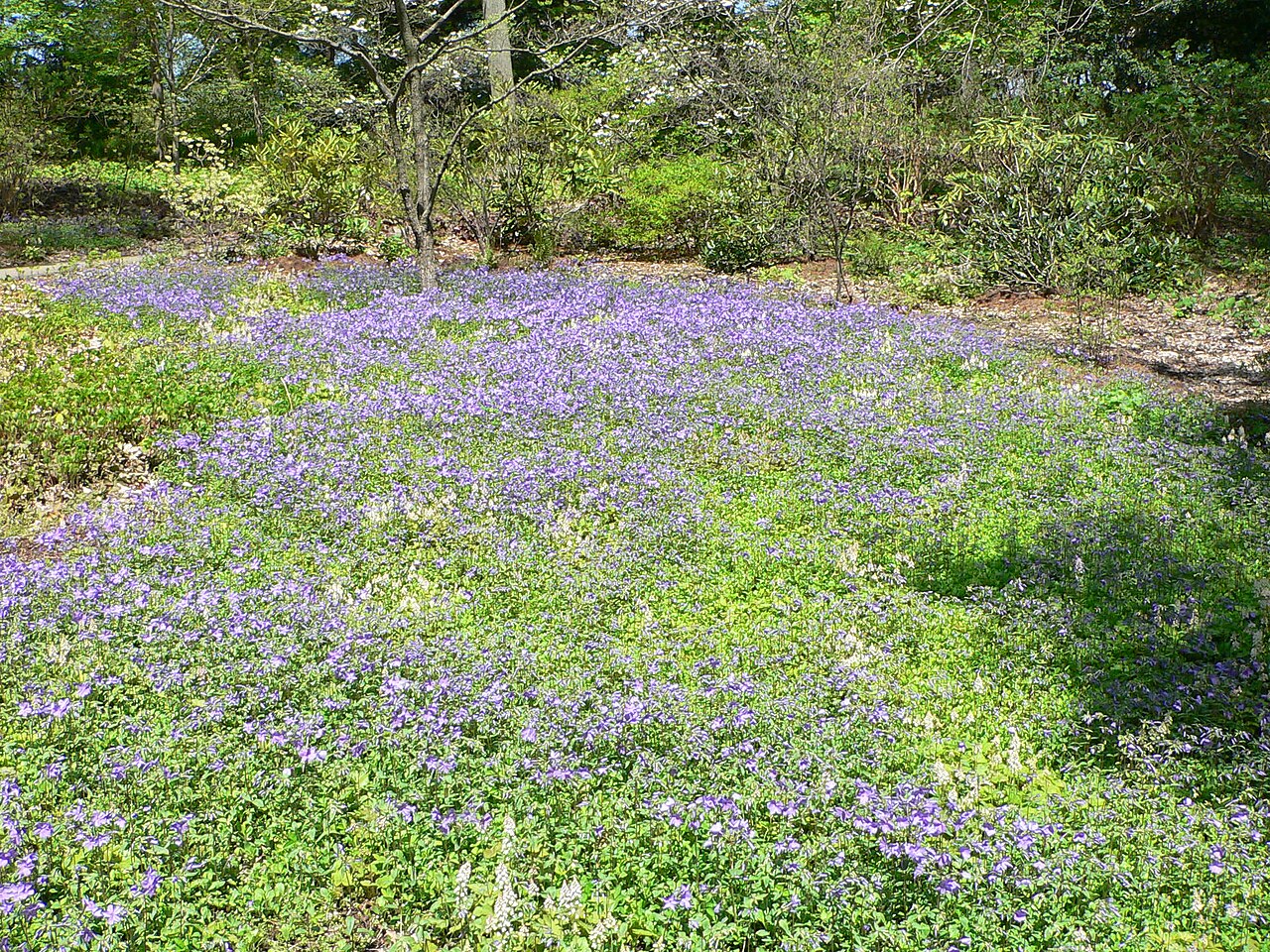
Used as groundcover in woodland gardens, along shaded path edges, under deciduous shrubs, and spilling over the tops of shaded walls, spaced 10-12 inches (25-30 cm) apart for closed cover within two seasons. The mats combine with spring bulbs, which push up through the low foliage, and with ferns that expand as flowering finishes. Container culture works in wide pans of 2 gallons (7.5 L) or larger, with the stolons trailing over the rim.How to Identify
Appearance
Size & Dimensions
Height4" - 1'
Width/Spread1' - 2'
Colors
Bloom Information
Flowering opens in early April in zones 7-8 and in early to mid-May in zones 3-5, running three to four weeks. Buds form on the previous season prostrate growth, so a mat sheared in autumn flowers thinly the following spring. The scent is light and sweet and carries 3-6 feet (1-2 m) on warm still afternoons. Butterflies including spring azures and swallowtails, along with long-tongued bees, work the narrow tubes.
Detailed Descriptions
Flower Description
Blue-violet, lavender, pink, or whiteFoliage Description
Dark green, obovate to spoon-shaped on creeping shootsGrowing Conditions
Sun Requirements
Requires 2-6 hours of direct sunlight daily
• Full Sun: 6+ hours of direct sunlight
• Partial Shade: 3-6 hours of direct sunlight
• Full Shade: Less than 3 hours of direct sunlight
Care & Maintenance
Care Guide
Two to six hours of morning sun with shade through the afternoon matches the woodland conditions where the species grows; in full sun the mat browns and thins by midsummer unless soil stays constantly damp. The species roots in humus-rich, loose, free-draining soil at pH 5.5-7.0, with leaf litter or compost worked into the top 4 inches (10 cm) before planting. Roughly 1 inch (2.5 cm) of water per week holds the mat closed through summer, and the shallow rooting means a dry fortnight shows as browning within days. A 1-inch (2.5 cm) topdressing of leaf mould in autumn, brushed between the shoots rather than over them, replaces annual feeding. Mats are lifted and divided in early autumn or straight after flowering, with rooted sections replanted 10-12 inches (25-30 cm) apart. Air movement across the mat lowers powdery mildew, which shows as grey patches on the upper leaf surfaces in humid summers.Pruning
Flowering stems are cut back to the prostrate mat once the last flowers fade in late May or June, which clears the surface and directs growth into stolon extension. Shearing the whole mat in autumn removes the flower buds already set for the following spring. Stolons that run past the intended edge are cut and lifted at any point in the growing season.Pruning Schedule
Prune: May–June
late spring
Container Growing
Suitable for container growing
Minimum container size: 2 gallons